Real estate agents post every day, and most of them would rather be showing houses than designing graphics. That is exactly why social media kits for real estate agents sell so well: a ready-made pack of templates saves an agent hours every week and makes their listings look professional. If you can design clean, editable templates, you can build these kits once and sell them again and again on Etsy, Creative Market, or your own shop. Here are thirteen kit ideas buyers actually want, with what to include in each one.
1. Listing Launch Kit With Post and Story Templates
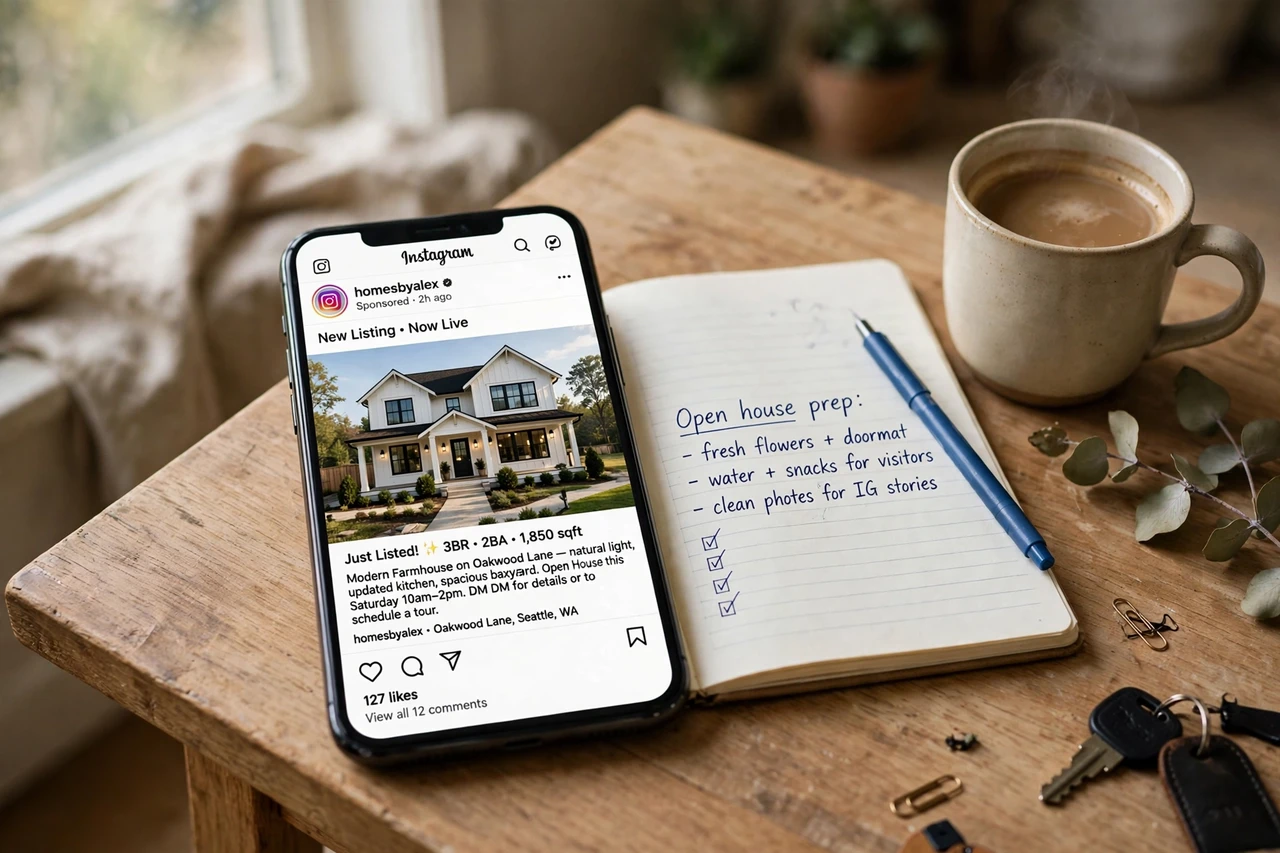
Every new listing needs an announcement, and agents want it live within hours of the photos arriving. A listing launch kit should include square feed posts, vertical story templates, and a carousel layout for photo highlights, all with space for price, beds, baths, and square footage. Leave the photo and text areas clearly editable so an agent can drop in a new listing in five minutes.
Tip: include two color versions — a light, airy one and a bold, high-contrast one — so the same kit suits both luxury and starter-home agents.
2. Open House Promotion Kit for Weekend Showings
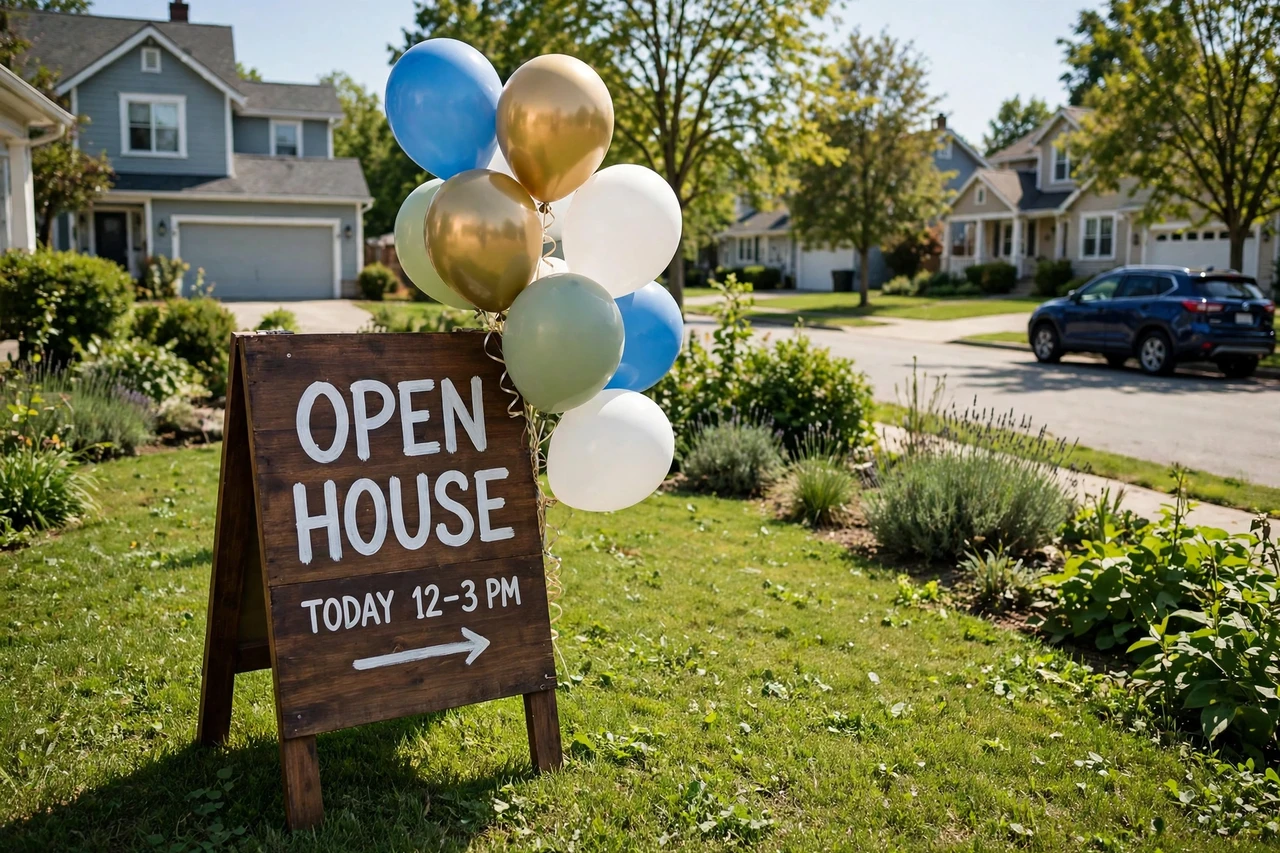
Open houses run on a tight schedule: announce on Wednesday, remind on Friday, and post a last call on Saturday morning. An open house kit should cover that whole sequence with countdown templates, “you are invited” posts, and a directions slide with date, time, and address fields. Agents buy this kit because one missed open house post can mean an empty showing.
Tip: add a “just listed the open house” story sticker-style template agents can post from the driveway in under a minute.
3. Just Sold Celebration Kit With Sold Graphics

A “just sold” post is an agent’s best advertisement — it proves they close deals. This kit should include bold SOLD overlays, before-and-after price graphics, and a short testimonial layout where the agent can add the buyer’s words. Keep the design celebratory but clean, with plenty of room for the home photo to do the talking.
Tip: add a matching “pending” and “under contract” version so agents buy one kit and use it through the whole closing process.
4. New Listing Announcement Kit for Fresh Properties

A new listing announcement is different from a launch kit: it is the single big reveal post, not the full campaign. This kit should focus on one striking hero layout, a “coming soon” teaser, and a carousel that walks viewers through the home’s best rooms. Agents want a design that stops the scroll, so build it around large photos and one strong headline.
Tip: price this kit lower than your full launch kit and sell it as an entry product that leads buyers to your bigger packs.
5. Neighborhood Guide Kit That Sells the Area

Buyers choose a neighborhood as much as a house, and agents who post local guides get the relocation clients. A neighborhood guide kit should include templates for schools, parks, restaurants, commute times, and local events, plus a map-style layout agents can customize for their own farm area. This kit sells because it positions the agent as the local expert.
Tip: include blank stat boxes for walk scores, average prices, and school ratings so agents can update the numbers each quarter.
6. Home Buyer Education Kit for First-Time Buyers

First-time buyers have the same ten questions, and agents answer them one client at a time. An education kit turns those answers into carousel posts: how pre-approval works, what closing costs include, and what to check at a showing. Agents love this kit because educational posts build trust and bring in buyers months before they are ready to offer.
Tip: write the slide text in plain, friendly language in your preview images — buyers can tell instantly if the kit is actually readable.
7. Home Seller Guide Kit That Wins Listings

Agents use seller guides to win listing appointments, so this kit should look polished enough to impress a homeowner. Include templates for home prep checklists, staging tips, pricing explainers, and a “what your home is worth” call-to-action post. A seller who sees this content assumes the agent knows how to market a home. Winning the appointment is only the start — these client questionnaire templates for photographers show how smart intake questions build trust before the work begins. [ADDED LINK]
Tip: add a printable one-page version of the checklist so agents can hand it out at listing appointments, not just post it online.
8. Realtor Branding Kit With Logo and Color Palette

New agents need a brand before they need anything else, and many cannot afford a designer. A branding kit should include a simple logo template, a color palette card, font pairing suggestions, and matching profile picture and cover templates. This is a higher-priced kit because it solves a bigger problem than a single post.
Tip: deliver the logo in editable vector-friendly formats and include a short guide on how to change colors, so non-designers do not get stuck.
9. Seasonal Market Update Kit for Monthly Posts
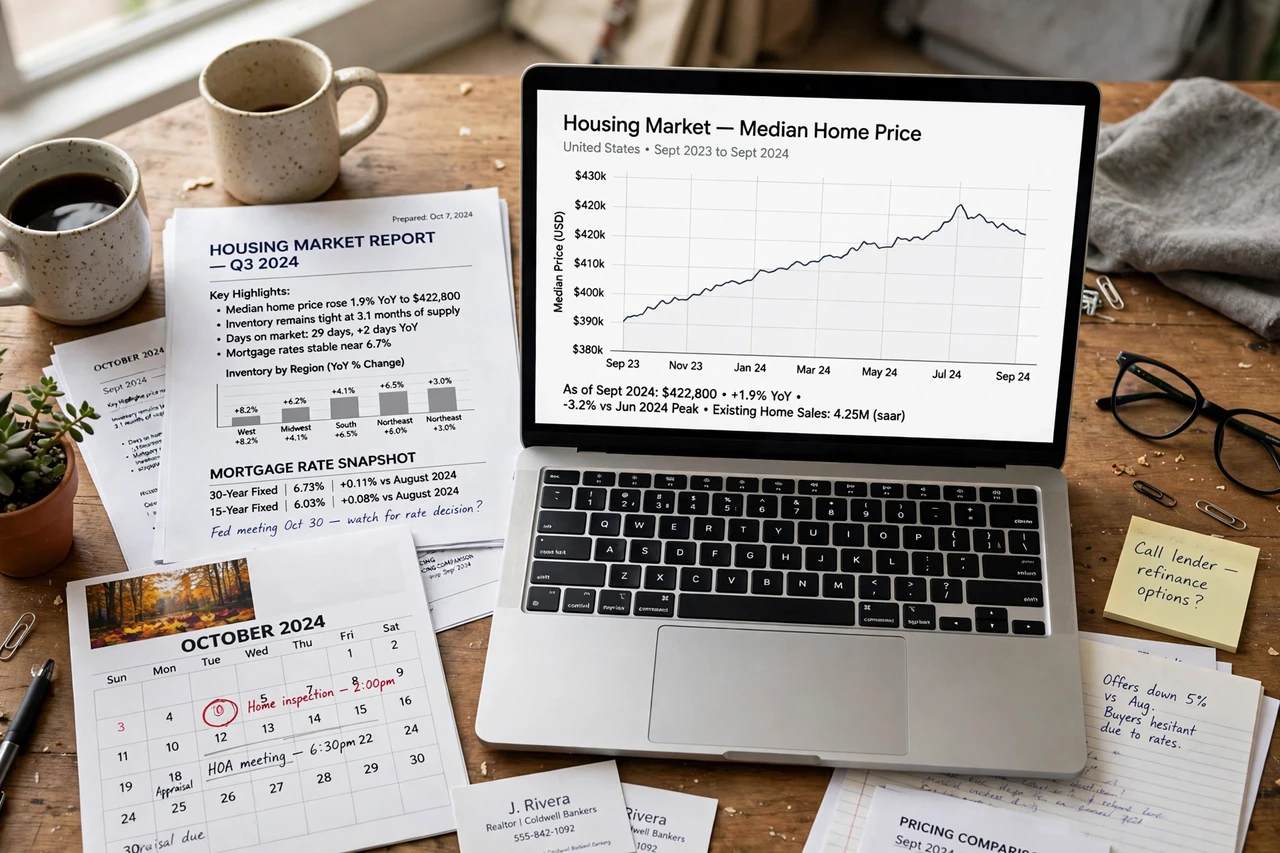
Agents are expected to post a market update every month, and most of them dread it. A seasonal market update kit gives them a ready layout for average prices, days on market, and new listings, with a fresh seasonal color theme for each quarter. This kit can sell year after year with small annual updates.
Tip: leave the chart and number areas as clearly labeled placeholders, and show one filled-in example so buyers see exactly where their data goes.
10. Client Testimonial Kit With Quote Graphics

Testimonials are the most trusted posts an agent can publish, but a plain screenshot of a review looks lazy. A testimonial kit should include elegant quote layouts, star-rating graphics, and a “meet the happy homeowners” story template. Agents use these constantly, so the kit needs enough layout variety to avoid repeating the same design twice in a month.
Tip: include five or six different quote layouts in one kit — variety is the main reason agents will choose your kit over a single free template.
11. Real Estate Reel and Short Video Kit
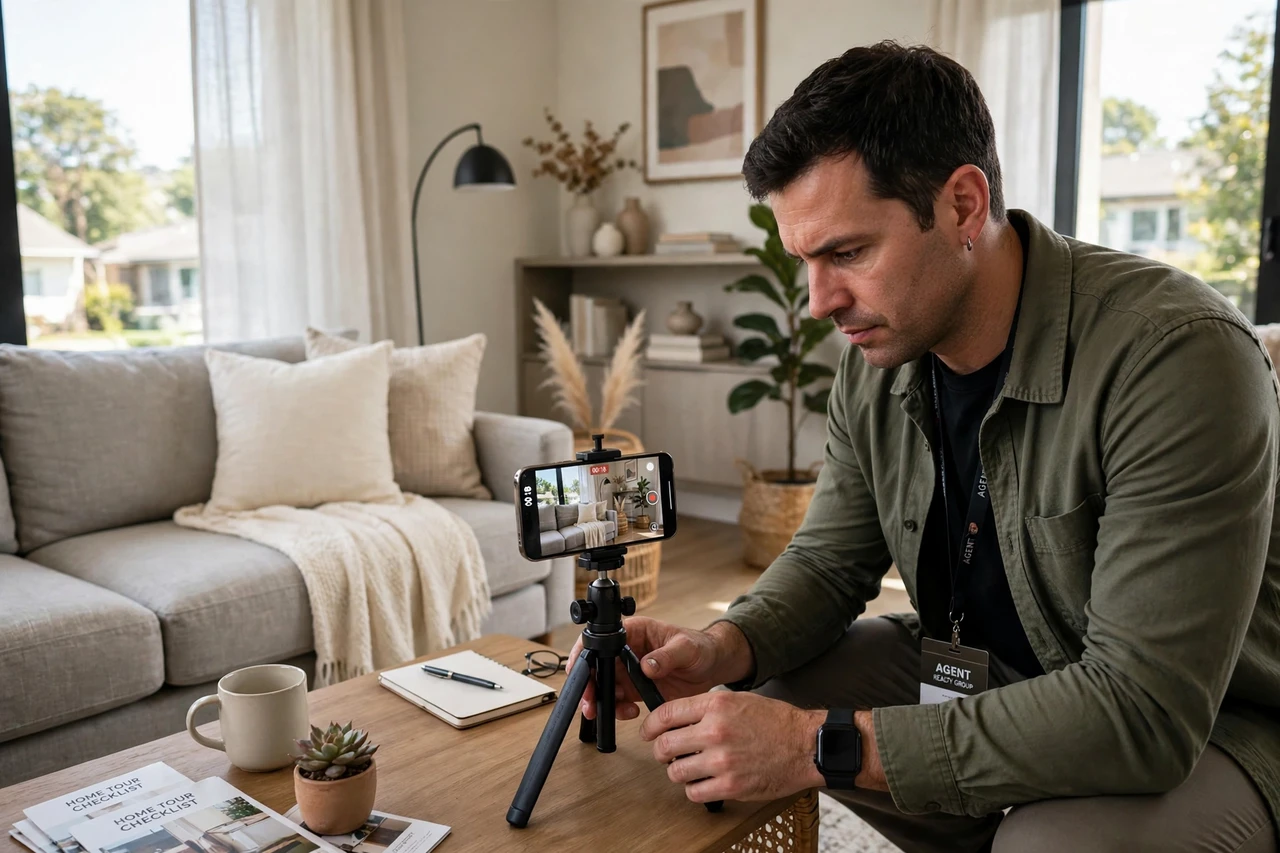
Short video is where real estate attention is moving, but most agents do not know how to start. A reel kit should include vertical cover templates, text overlay frames, hook captions, and a simple shot-list guide for filming a home tour. You are selling the structure, not the video itself — the agent films on their phone and your templates make it look intentional.
Tip: add five proven hook lines in the guide, like “You will not believe the kitchen in this one,” so agents never stare at a blank caption box.
12. Holiday and Community Event Kit for Local Agents

Agents who show up at community events get remembered, and holiday posts are the easiest engagement of the year. This kit should cover major holidays, local event announcements, and “meet your neighbor” posts, all in a warm, friendly style. It sells well in the fourth quarter, when agents plan their holiday marketing.
Tip: release the holiday kit in early October so agents have time to buy it, customize it, and schedule the whole season before December arrives.
13. Complete 30-Day Content Calendar Kit

The ultimate kit is the one that answers “what do I post today?” for a whole month. A 30-day content calendar kit should pair each day with a matching post template: a listing on Monday, a tip on Tuesday, a testimonial on Friday, and so on. This is your premium product — price it higher and bundle in a few of your other kits as a bonus. If you want more product ideas in this space, these 15 best digital product ideas for passive income are a good place to start. [ADDED LINK]
Tip: include the calendar as both a printable PDF and a spreadsheet so agents can plan in whatever tool they already use.
Frequently Asked Questions
Do social media kits for real estate agents actually sell?
Yes. Agents post daily, most are not designers, and they pay for templates that save time and make listings look professional. Kits with listing, open house, and just sold templates are the most consistent sellers because agents need them every week.
Where is the best place to sell real estate social media kits?
Etsy is the most popular starting point because agents already search there for templates. Creative Market works well for higher-priced kits, and your own shop or website gives you the best margins once you have repeat buyers.
What should I price a real estate social media kit at?
Small single-purpose kits usually sell for $9 to $19, full campaign kits for $25 to $49, and complete 30-day calendar bundles for $49 to $97. Price based on how many templates are included and how much time the kit saves the buyer.
Do I need to be a designer to create these kits?
No. Free tools like Canva are enough to build professional templates, and agents buy editable Canva links more than any other format. Focus on clean layouts, readable fonts, and editable photo areas rather than fancy illustration skills.
Can I use real estate photos in my kit previews?
Use stock photos or your own images for previews, never photos taken from a real listing without permission. Clearly show in your listing that buyers replace the preview photos with their own property images.
Agents will always need to post, and they will always be short on time — that is the opportunity. Start with one kit you can finish this week, list it where agents already shop, and let buyer feedback shape your next pack. The sellers who win in this niche are not the fanciest designers; they are the ones who understand an agent’s week and build templates that fit it.