Finding the right passive income ideas for retirees means looking for income that fits life after 60: low stress, flexible, and respectful of the savings you have already built. Unlike a second job, the ideas below keep paying with minimal ongoing effort once they are set up. If you are just getting started, browse these passive income ideas for a broader overview, and check these dividend investing tips before putting money into the market. Here are twelve practical options for American retirees.
1. Build Steady Income With Dividend Aristocrat Stocks
Dividend Aristocrats are large US companies that have raised their dividends for 25 years or more — names like Johnson & Johnson, Procter & Gamble, and Coca-Cola. You can own dozens of them at once through a low-cost ETF such as NOBL or VIG, and collect quarterly payouts that tend to grow over time.
Open a brokerage account at Fidelity, Schwab, or Vanguard, set dividends to reinvest automatically, and let compounding work. Yields are typically 2–3%, so this suits money you will not need for several years. This is not financial advice — consider talking to a fiduciary advisor before investing retirement savings.

2. Rent Out a Spare Bedroom as a Short-Term Rental
An empty spare bedroom is one of the most underused assets in a retiree’s home. Listing it on Airbnb or Vrbo can bring in $800–$1,500 per month in many US markets, and you control the calendar — block off holidays, family visits, or any week you want privacy.
Start with clear house rules, a lockable bedroom door, and a simple cleaning routine between guests. Check your city’s short-term rental regulations and HOA rules first, and remember that rental income is taxable — many hosts set aside 20–25% for taxes.

3. Earn Risk-Free Interest With Treasury Bills and CDs
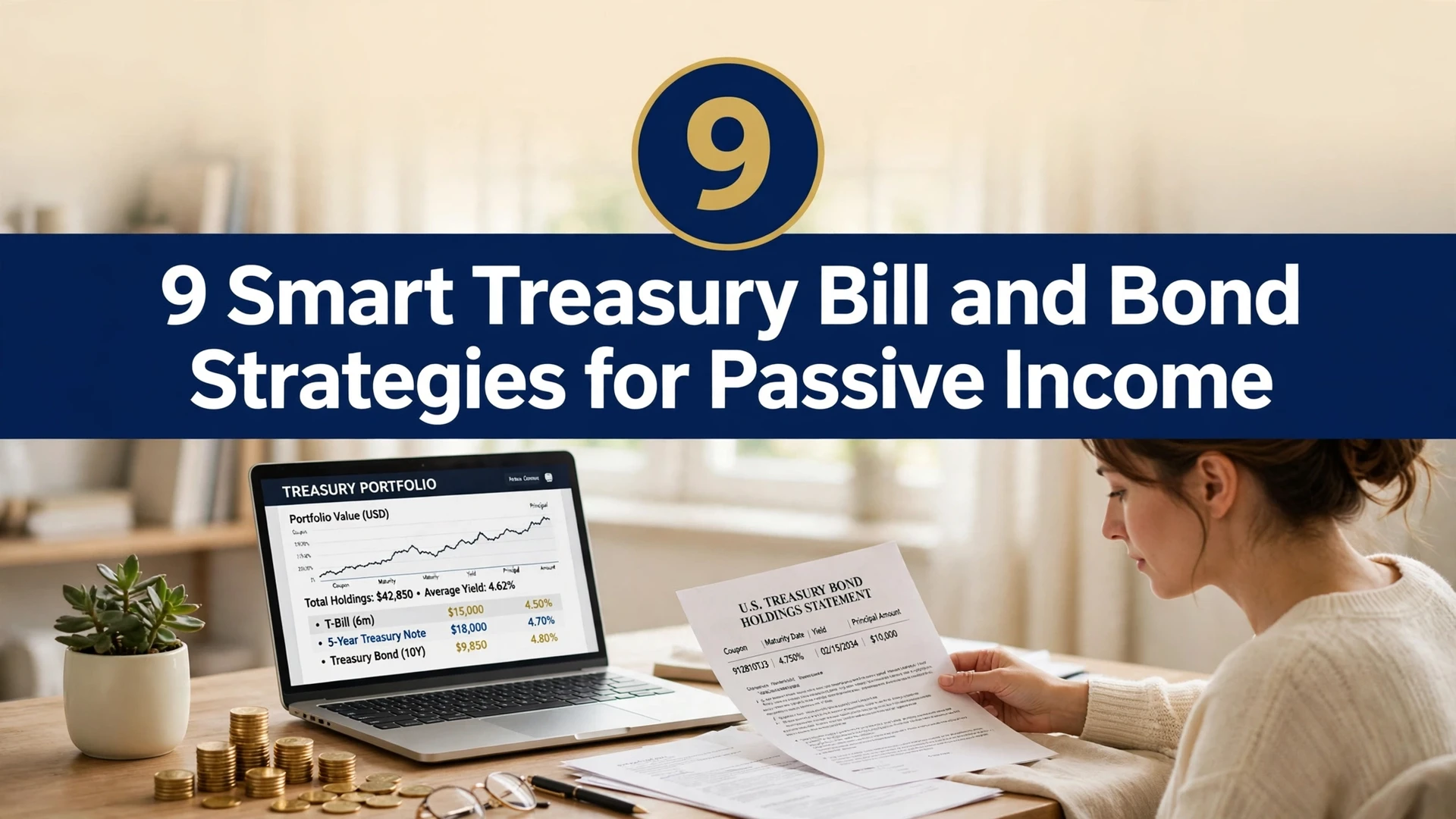
US Treasury bills are backed by the federal government and their interest is exempt from state and local taxes — a real perk for retirees in high-tax states. Buy them directly at TreasuryDirect.gov in 4, 8, 13, or 26-week terms, with no fees and no market risk.
Pair T-bills with a CD ladder at an FDIC-insured bank or credit union: split savings across 6, 12, and 18-month CDs so money frees up regularly. This will not make you rich, but it is one of the safest ways to earn passive income that pays monthly on cash you cannot afford to lose.

4. Turn Decades of Career Knowledge Into a Kindle Ebook
Thirty years as a nurse, teacher, manager, or tradesperson is expertise people will pay to learn from. A focused 60–100 page how-to ebook on Amazon KDP — “What I Wish I Knew Before Becoming a Nurse” — can earn up to 70% royalties on every sale, for years after one weekend of writing.
Write in Google Docs, design a cover free in Canva, and publish in an afternoon. Price between $4.99 and $9.99, pick a specific niche rather than a broad topic, and your book keeps selling while you garden, travel, or babysit the grandkids.

5. Rent Out Your RV or Camper Through Rental Platforms
Most RVs sit unused ten months a year while insurance and storage bills keep coming. Listing yours on Outdoorsy or RVshare can earn $100–$300 per night, turning a depreciating asset into a genuine income stream during the months you are not traveling.
Both platforms include insurance coverage during rentals and handle payments. Offering delivery to the renter’s campsite lets you charge more and avoids strangers towing your rig. Budget for extra cleaning and maintenance — renters are harder on vehicles than owners.

6. Sell Scenic Travel Photos to Stock Libraries
Retirement travel produces exactly what stock photo buyers want: national parks, small-town main streets, cruise ships, and multigenerational family moments. Upload your best shots to Adobe Stock or Shutterstock and earn a royalty every time someone licenses one.
Volume matters — aim for 200+ quality images with good keywords and the income compounds. A single popular photo can sell hundreds of times. Use the camera you already own; modern phones are sharp enough for most stock agencies.

7. Host a Hobby Podcast That Earns Sponsor Revenue
A weekly podcast about gardening, fishing, local history, or classic cars costs almost nothing to start — your phone and free hosting on Spotify for Creators are enough. Episodes stay online forever, so a library of 50 episodes keeps attracting new listeners on autopilot.
Once you pass roughly a thousand regular listeners, small sponsors and affiliate links start paying. Even modest shows earn $100–$500 per month, and recording a 30-minute episode feels more like chatting with friends than working.

8. Collect Tax-Free Income From Municipal Bonds
Municipal bonds fund schools, roads, and hospitals, and their interest is exempt from federal income tax — plus state tax if you buy bonds from your own state. For retirees in higher tax brackets, a 3.5% tax-free yield can beat a 5% taxable one.
The simplest route is a low-cost national or single-state muni bond fund such as VTEAX, with minimums as low as $1,000 in many brokerages. Prices can dip when interest rates rise, so treat this as long-term income money, not an emergency fund.

9. Invest in Farmland Through Crowdfunding Platforms
You do not need to buy a whole farm to earn from agriculture. Platforms like AcreTrader and FarmTogether let accredited and sometimes non-accredited investors buy fractional shares of working farmland, earning annual rent payments plus a share of land appreciation at sale.
Minimums and accreditation rules vary, so read the fine print. Farmland is illiquid — expect to hold 5–10 years — which is why it suits a small slice of a retiree’s long-term portfolio rather than money you might need soon.

10. List Your Home as a Film and Photo Shoot Location
Production companies constantly need real homes for commercials, TV scenes, and photo shoots. Listing on Peerspace or Giggster can bring $500–$2,000 per day, and distinctive homes — mid-century, farmhouse, waterfront — book most often.
You approve every booking, set your own availability, and most shoots last a single day with a professional crew that restores everything. It is sporadic income rather than monthly, but a few bookings a year add up nicely.

11. Review Senior Travel Gear With Affiliate Links
If friends always ask your advice on cruises, comfortable walking shoes, or easy-luggage travel, turn that into content. A simple blog or YouTube channel reviewing senior-friendly travel gear earns commissions through Amazon Associates every time a reader buys through your link.
Old reviews keep ranking in Google for years, so one honest video about “the best carry-on for bad backs” can generate commissions long after you filmed it. Start with products you genuinely use — trust is what makes affiliate content convert.

12. Sell Heirloom Seeds and Plants From Your Garden Online
Experienced gardeners sit on something valuable: proven heirloom seeds, divided perennials, and rooted cuttings. Listing them on Etsy or eBay turns a hobby into seasonal passive income — create the listings once, then just pack orders as they come in.
Rare tomato varieties, native plants, and unusual herbs command premium prices from fellow gardeners. Check your state’s rules on shipping live plants across state lines, and start small to learn what sells before expanding the garden beds.

Frequently Asked Questions
How much passive income can a retiree realistically earn?
Most retirees build $200–$2,000 per month across a few streams in the first couple of years. Investment-based income scales with capital, while content and rental income scale with effort upfront. Stacking three or four modest streams usually beats chasing one big one.
What is the safest passive income for retirees?
Treasury bills, CDs, and high-yield savings accounts carry effectively no risk to principal. Municipal bonds and dividend aristocrat ETFs add modest risk for higher income. Avoid anything promising guaranteed high returns — that is a classic red flag for scams targeting seniors.
Do retirees pay taxes on passive income?
Yes, in most cases. Rental income, royalties, and stock dividends are taxable, though municipal bond interest is federally tax-free and Social Security taxation has its own rules. Set aside 20–25% of new income streams until you know your actual liability.
Can I start earning passive income with no money?
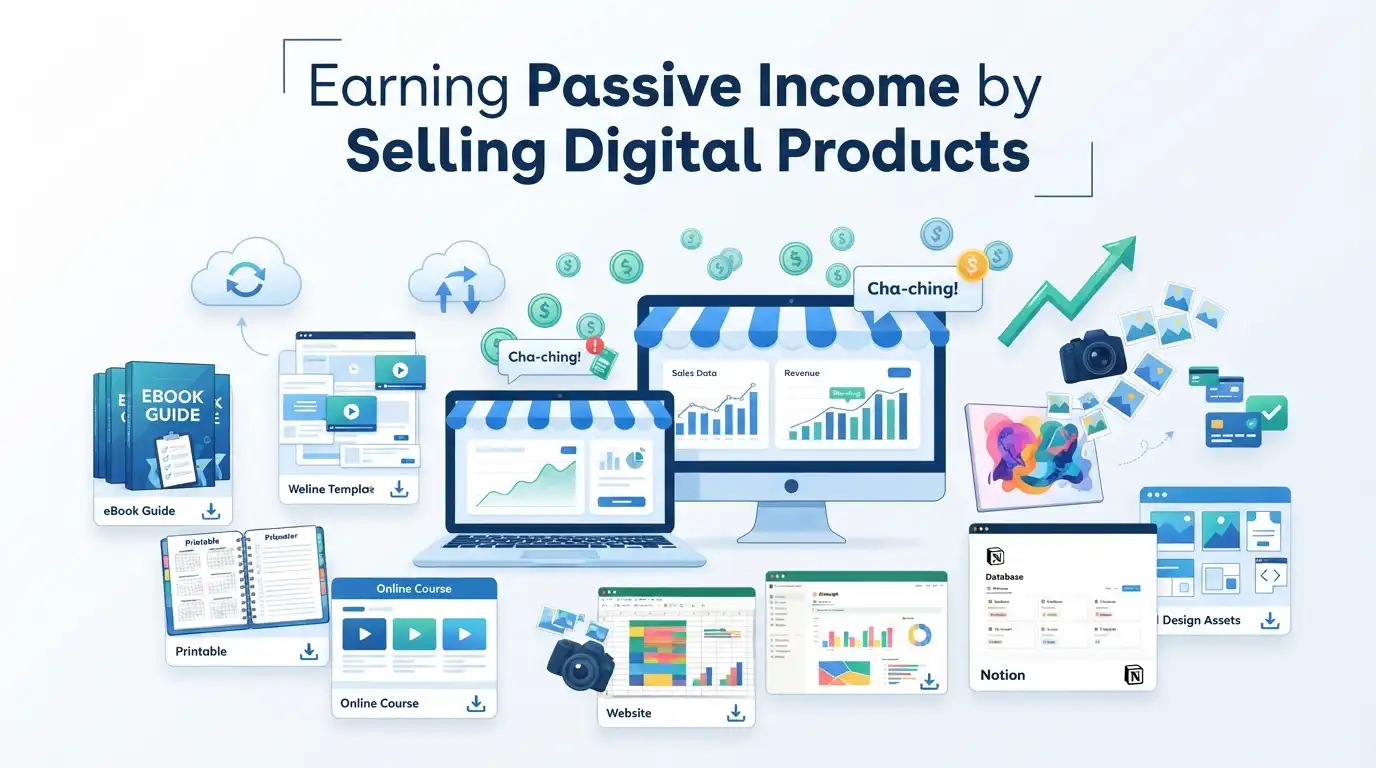
Yes — the content-based ideas on this list (ebooks, stock photos, podcasts, affiliate reviews, seed selling) need time and skill rather than capital. Investment ideas like dividends and bonds do require money upfront, so start with what fits your situation.
Should I risk my retirement savings on these ideas?
Never gamble money you need for living expenses. A common rule: keep 6–12 months of expenses in safe accounts, invest only long-term money in the market, and treat every new income stream as an experiment until it proves itself.