Car washes look like a simple business — cars get dirty, owners pay to clean them — but there are several very different models behind that idea, with different costs, workloads, and income patterns. These car wash passive income models range from hands-off automated tunnels to flexible mobile services, and understanding the differences matters before you invest a dollar. Some models earn while you sleep, others earn well but need your weekly attention, and the right choice depends on your budget and how involved you want to be. If you are comparing car washes with other hands-off options, ways to earn passive income online gives useful context. The nine models below are explained in plain language for beginners.
1. Self-Service Bay Wash
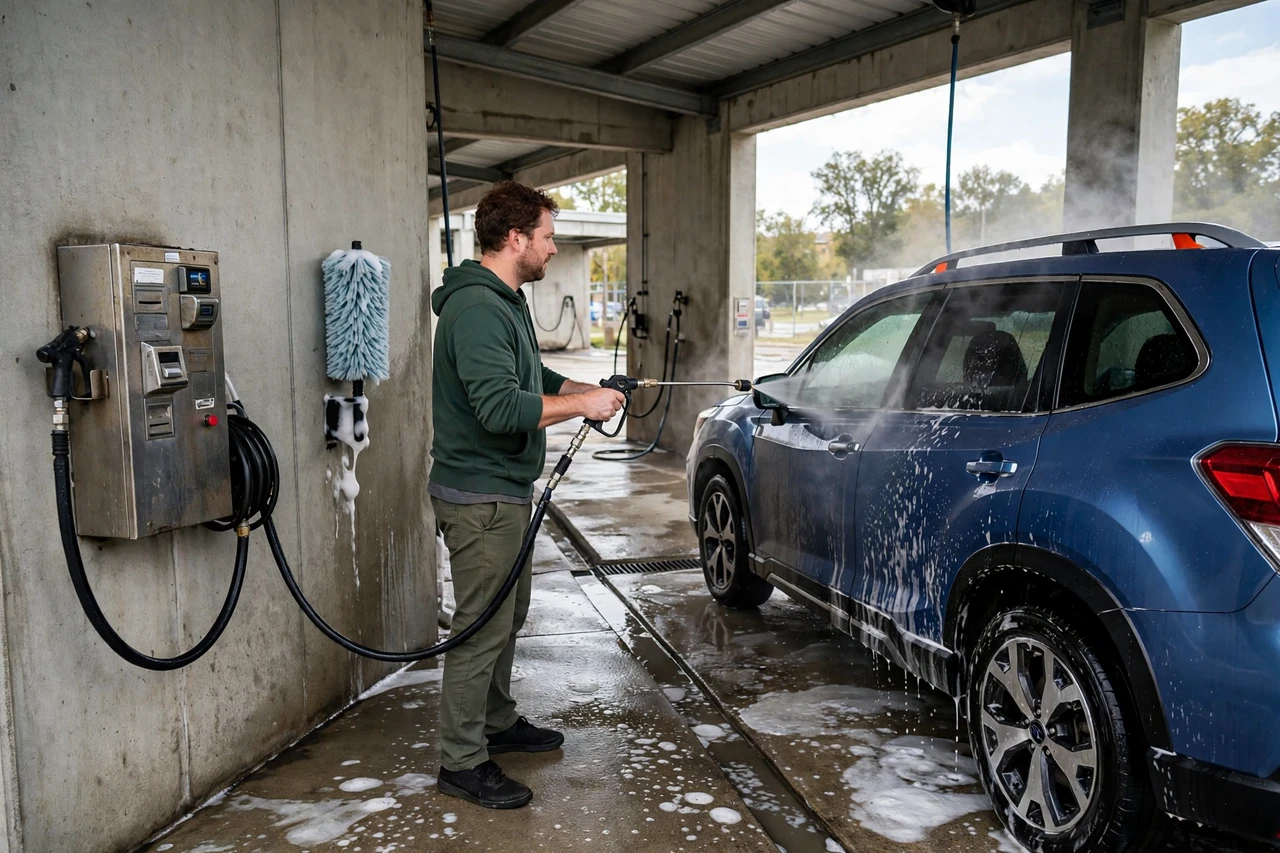
In a self-service bay wash, customers wash their own cars using coin- or card-operated spray wands, foam brushes, and vacuums that you provide. Your role is to own the site, maintain the equipment, and collect payments, while customers do the actual washing. Startup costs are moderate — $150,000 to $400,000 for a multi-bay site including land preparation — but daily labor is minimal once the site is running.
Income comes from bay time sold by the minute, plus vacuum and vending sales, and a well-located site can net $2,000 to $6,000 a month after expenses. This model suits beginners who want a tangible business without managing employees, though you should budget for regular equipment maintenance and occasional vandalism repairs.
2. Automatic In-Bay Wash
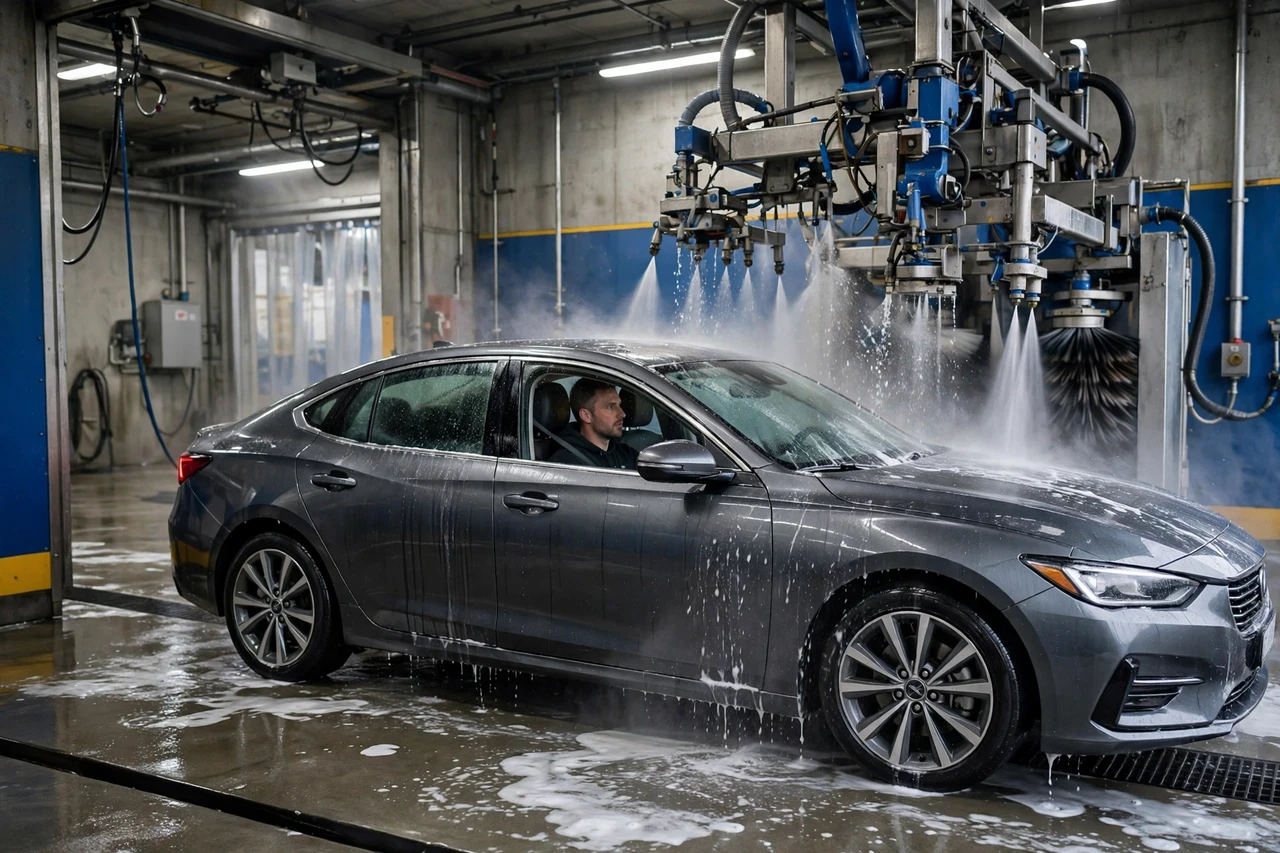
An automatic in-bay wash parks the car inside a single bay while a machine moves around it, spraying, brushing, and drying without any staff touching the vehicle. Customers stay in their cars, the wash takes three to five minutes, and the system runs with minimal labor — often just one attendant for the whole site. Equipment costs run $150,000 to $300,000 per bay, plus site costs, making it a mid-range investment.
Revenue depends on throughput and wash pricing, with basic washes at $8 to $12 and premium packages at $15 to $25. A busy suburban location can wash 50 to 100 cars a day, producing strong margins once the equipment is paid off. This model is a good middle ground between a self-service site and a full tunnel, with automation doing most of the work.
3. Tunnel and Conveyor Express Wash
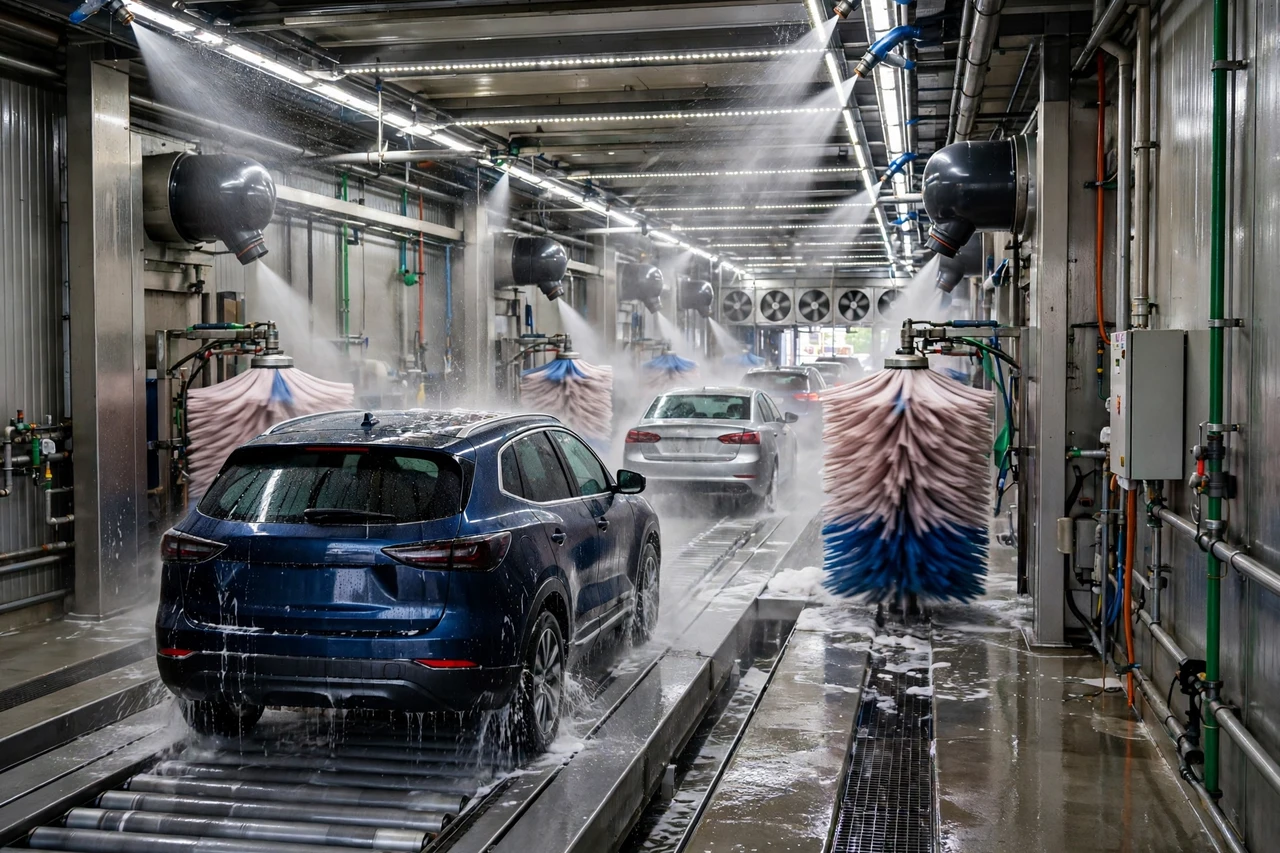
Express tunnel washes move cars along a conveyor through a long tunnel of washers, brushes, and dryers, handling high volumes quickly. This is the model behind most modern express wash chains, and it is the most scalable: a good tunnel can wash 100 to 200 cars per hour at peak times. Startup costs are high — $1 million to $3 million for land, building, and equipment — so this model usually suits investors or partnerships rather than first-time solo operators.
The payoff is volume and membership income, with monthly unlimited plans creating predictable recurring revenue. Express tunnels also benefit from strong branding and signage, since drivers choose them for speed and convenience. Beginners should study this model carefully and consider starting smaller, since the capital risk is the highest of any model on this list.
4. Touchless Automatic Wash
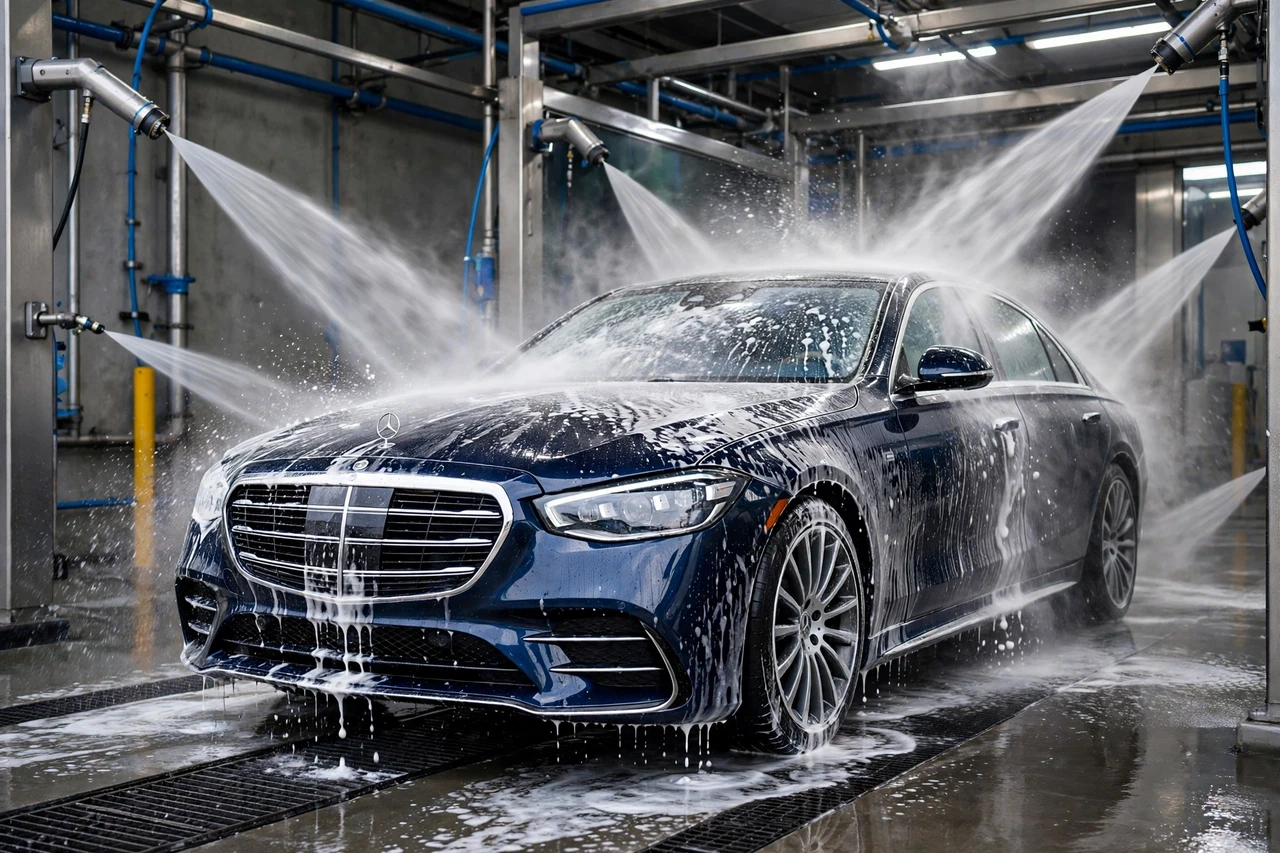
Touchless washes clean cars using high-pressure water jets and detergents only, with no brushes touching the paint. Owners of luxury, classic, and newly painted cars prefer touchless washing because it eliminates swirl marks, and that preference supports premium pricing. Equipment costs are similar to in-bay automatic systems, but chemical costs run higher since detergents do all the cleaning work.
This model works well as an add-on bay at an existing site or as a standalone wash in an affluent area where car care matters to customers. Marketing should emphasize paint safety and premium detergents, since that is the reason customers choose touchless over cheaper brush washes. Profit margins are healthy, but throughput is slightly lower than brush systems.
5. Run a Mobile Wash Van That Comes to Customers
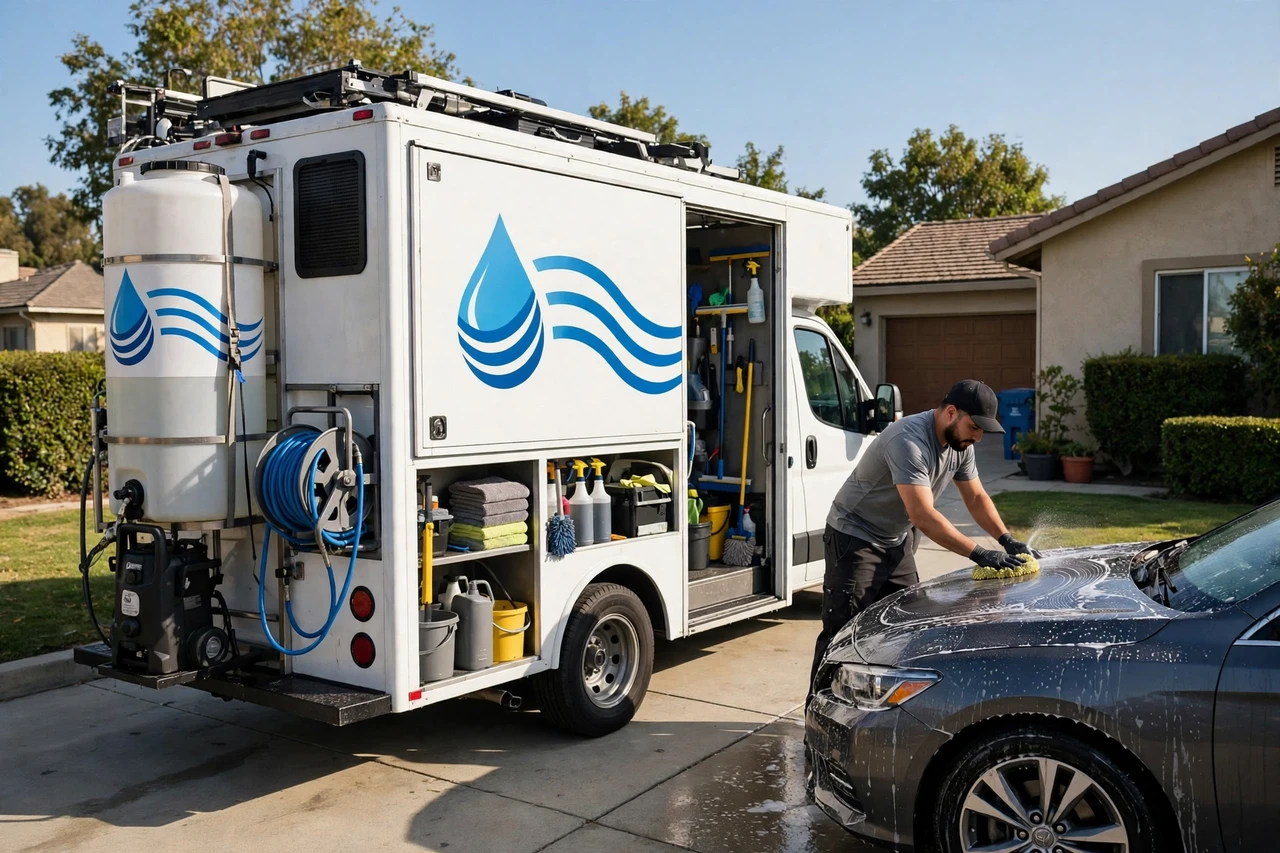
A mobile wash van brings the service to the customer — driveways, office parking lots, and apartment complexes — using a water tank, generator, and portable equipment. Startup costs are the lowest of any car wash model, often $10,000 to $40,000 for a van and equipment, making it the most accessible entry point for beginners. You or a small team do the washing, so this model is more active income than passive at first, but it can become semi-passive once you hire washers and manage bookings.
Mobile washing earns $30 to $100 per vehicle depending on the service level, and regular routes — weekly office parks or monthly neighborhood rounds — create predictable income. Build a booking system early, offer subscription packages for regular customers, and reinvest profits toward a second van if you want to scale toward true passive income.
6. Membership and Unlimited Wash Club
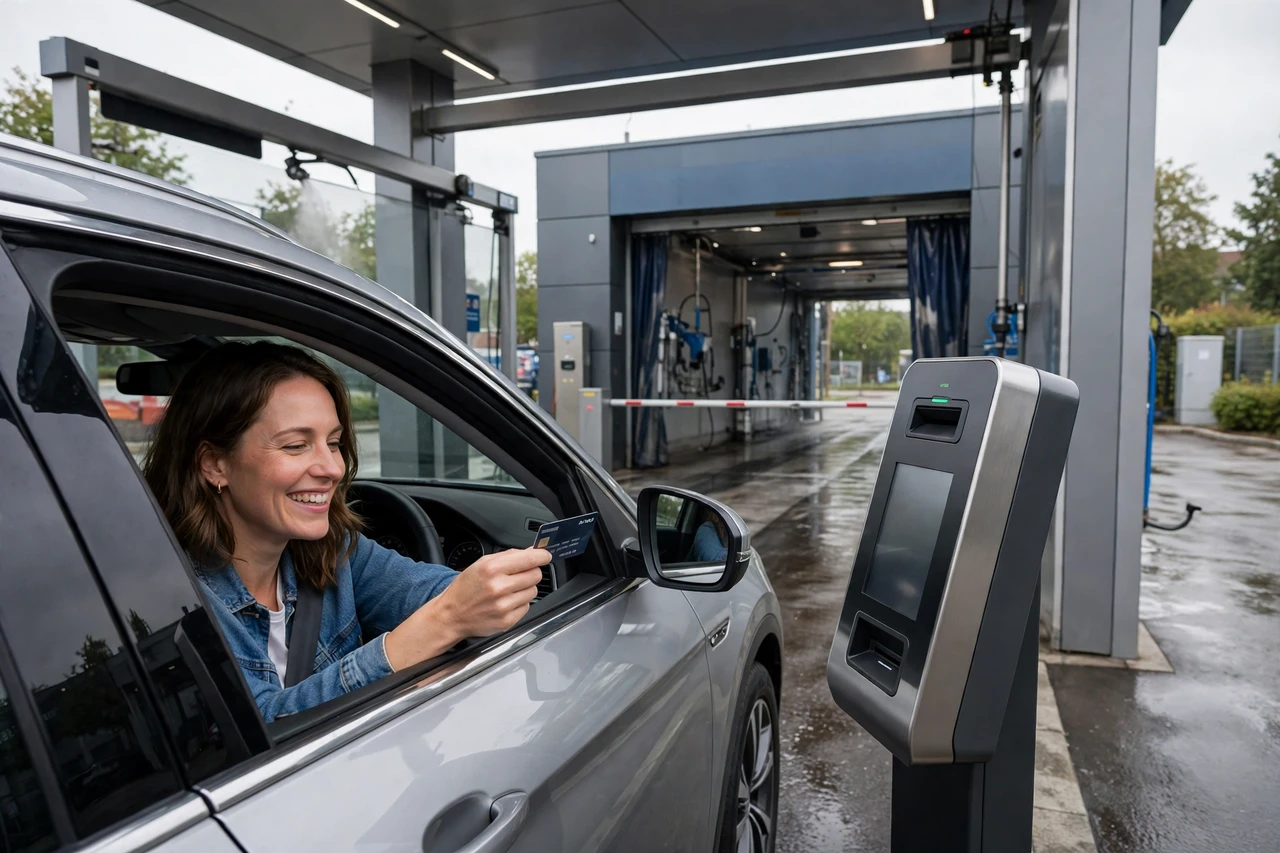
A membership model is less a wash type and more an income strategy: customers pay a monthly fee, typically $20 to $40, for unlimited washes instead of paying per visit. This model transforms unpredictable daily sales into steady monthly revenue, which is why express tunnels and in-bay washes adopt it so eagerly. Members also visit more often, keeping your site busy during slow hours and building a loyal customer base.
The key numbers are member count and churn — how many join and how many cancel each month. A site with 500 members at $30 a month earns $15,000 in recurring revenue before single-wash sales, which covers much of its fixed costs. Beginners can add a membership plan to almost any automated model, and it is the single most effective way to make car wash income feel passive.
7. Fleet Washing Contracts
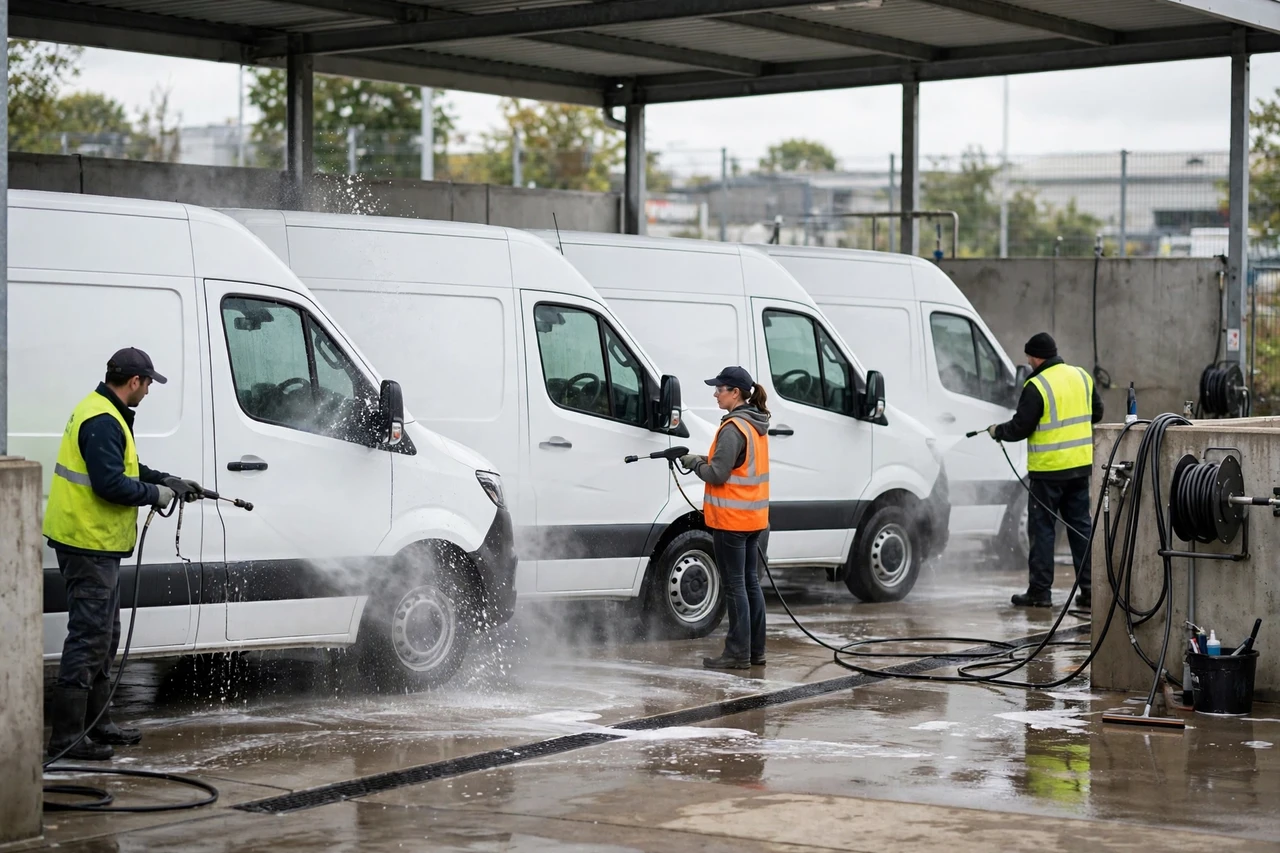
Fleet washing means contracting to clean vehicles for businesses that own many of them: delivery companies, taxi and rideshare fleets, rental agencies, municipal vehicles, and trucking firms. Instead of waiting for individual drivers, you sign a contract for regular washing — weekly, biweekly, or monthly — at a fixed price per vehicle. This creates predictable, contracted income that does not depend on weather or walk-in traffic.
Fleet contracts typically pay $15 to $50 per vehicle depending on size and service level, and a single contract with 50 vehicles can anchor your monthly revenue. Winning contracts requires professional proposals, proof of insurance, and reliable scheduling, since fleet managers value consistency above all. This model pairs well with a mobile van or a fixed site, and it is one of the most stable income streams in the car wash world.
8. Waterless Eco Wash Service
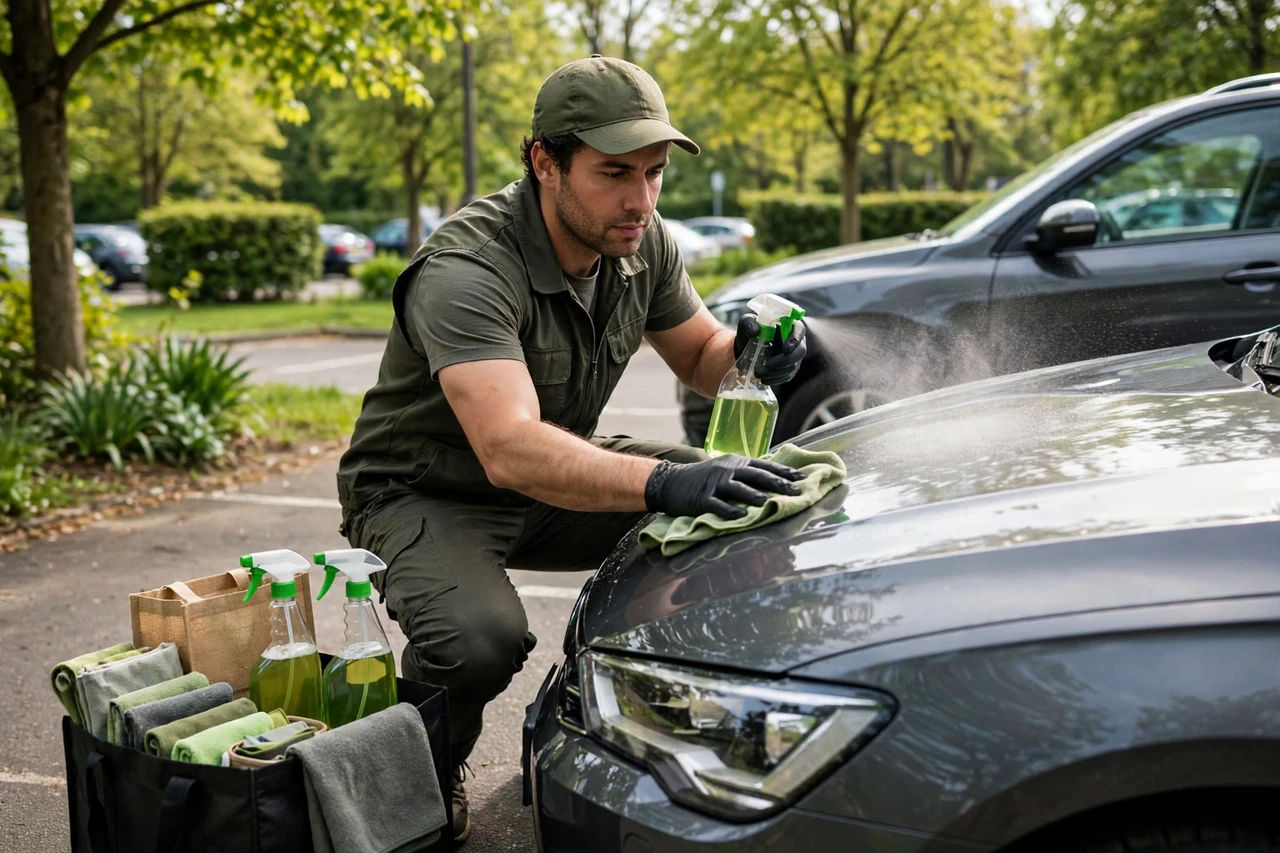
Waterless eco washing uses spray-on cleaning products and microfiber towels instead of large volumes of water, making it ideal for areas with water restrictions or for environmentally conscious customers. The model works best as a mobile or parking-lot service, since no drains or water connections are needed, and startup costs are very low — often under $5,000 for products, towels, and basic equipment. Eco branding also attracts customers who actively seek sustainable services.
Charge $25 to $75 per vehicle and target office parks, eco-conscious neighborhoods, and corporate campuses that value green vendors. The work is hands-on at first, but the low startup cost and simple logistics make it an excellent beginner model. As with mobile washing, hiring a small team and building regular routes is the path from active work to semi-passive income.
9. Franchise Car Wash Ownership
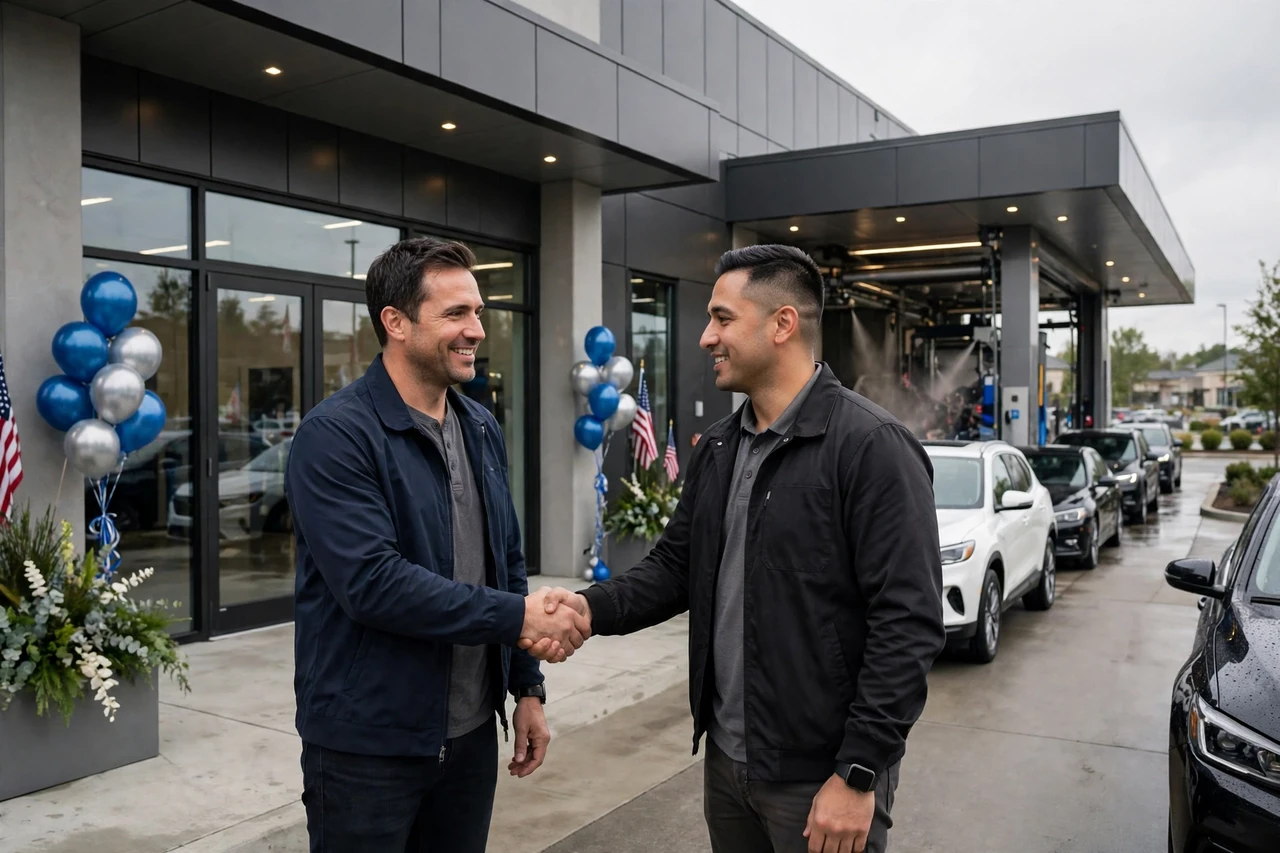
Buying a car wash franchise means operating under an established brand with proven systems, training, marketing, and supplier relationships, in exchange for an upfront franchise fee and ongoing royalties. Franchise costs vary widely, from $200,000 for a small format to over $1 million for an express tunnel, plus royalties of 4 to 8 percent of revenue. The advantage is a faster start: customers recognize the brand, the business model is tested, and the franchisor helps with site selection and launch marketing.
Franchising suits beginners who want guidance and are comfortable following a system rather than inventing one. Research franchise disclosure documents carefully, talk to existing franchise owners about real earnings and support quality, and compare total costs against building an independent site. A good franchise reduces risk but does not remove it — location and management still decide whether the business succeeds. If you are weighing this against other low-involvement options, passive income ideas for busy professionals can help you compare the time commitment honestly.
Frequently Asked Questions
Is a car wash truly passive income?
Automated models like tunnels and in-bay washes come closest, since machines do the washing and staff needs are small. Even then, you handle maintenance, supplies, and customer issues, so expect a few hours a week of management. Mobile and waterless models start as active businesses and become semi-passive only once you hire a team and systematize bookings.
How much does it cost to start a car wash?
Costs range from under $5,000 for a waterless service to $40,000 for a mobile van, $150,000 to $400,000 for self-service or in-bay sites, and $1 million-plus for express tunnels. Land is often the largest cost for fixed sites, so leasing or partnering can lower the barrier. Start with a model that matches your capital, and avoid borrowing heavily for your first wash business.
Which car wash model is best for a complete beginner?
A mobile wash van or waterless service is best for beginners because startup costs are low, you learn the market directly, and you can build regular customers before investing in a site. If you have more capital and want automation, a single in-bay automatic wash is a manageable first fixed site. Express tunnels are better as a second business once you understand the industry.
Do car washes make money in winter?
Yes, often more than in summer, because road salt and slush make cars dirty faster and drivers wash more frequently. Winter brings challenges too, including frozen equipment and higher maintenance, so cold-climate operators need heated bays and winter-grade chemicals. Seasonal planning — saving summer profits for winter repairs — keeps the business stable year-round.
What licenses and insurance do I need for a car wash?
Most locations require a business license, and fixed sites need zoning approval, water discharge permits, and environmental compliance for wastewater. Mobile operators need vehicle insurance and general liability coverage, and fleet contracts usually require proof of insurance before signing. Check your state and city rules early, since permits can take months for fixed sites.