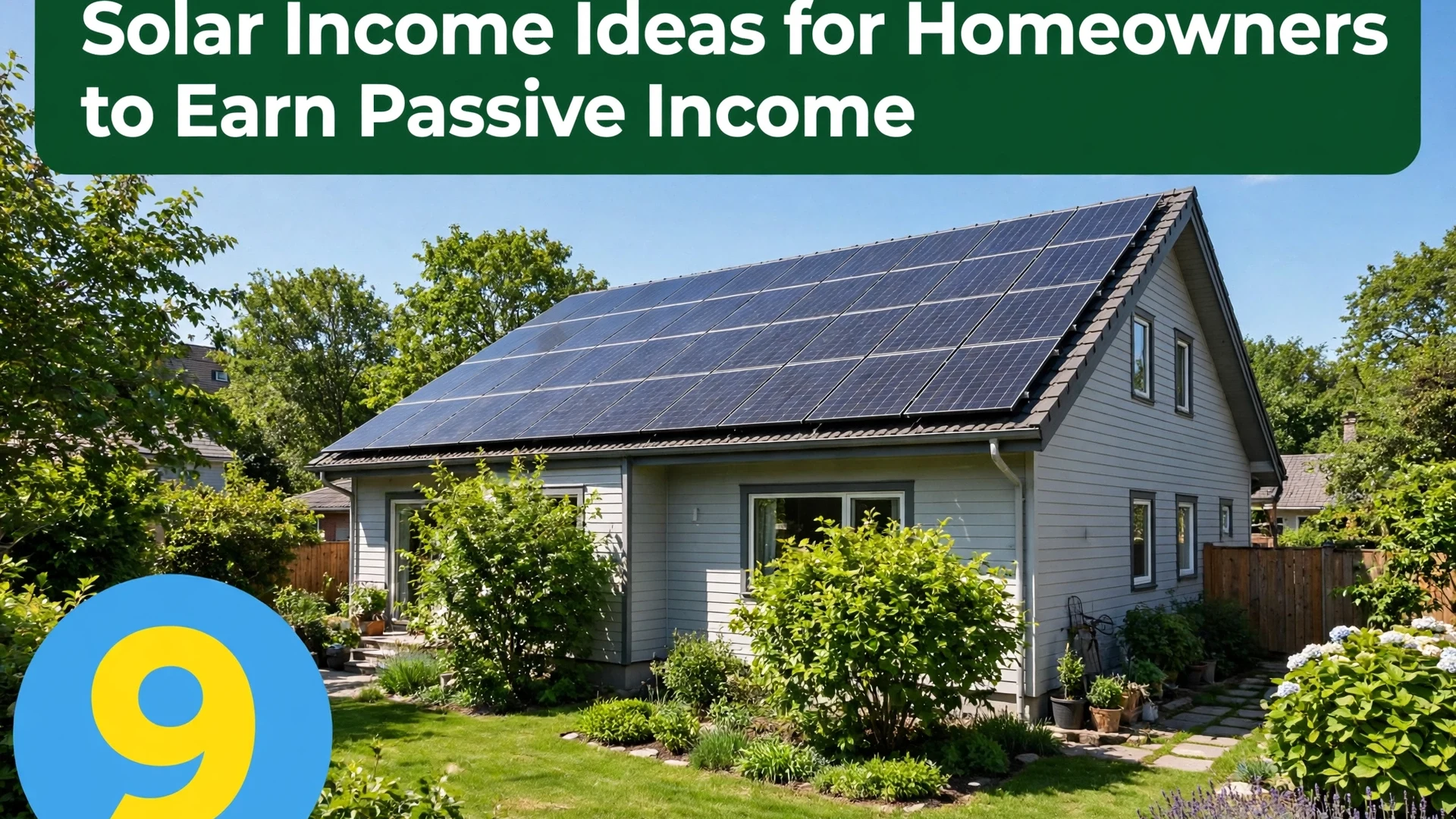
Your roof and yard receive free sunlight every day, and with the right setup that sunlight can become a steady stream of income. These solar income ideas for homeowners range from simple options like selling extra electricity to bigger projects like hosting a community solar installation. Some ideas need a solar system you already own, while others earn money from your roof or land without you buying panels at all. Before choosing, check your local utility rules, state incentives, and homeowner association policies, since solar income depends heavily on where you live. Treat every idea below as a starting point for local research, not a guaranteed return, and always confirm current incentives with your utility before spending money. Start with these passive income ideas that actually work.
1. Leasing Your Roof to a Solar Developer
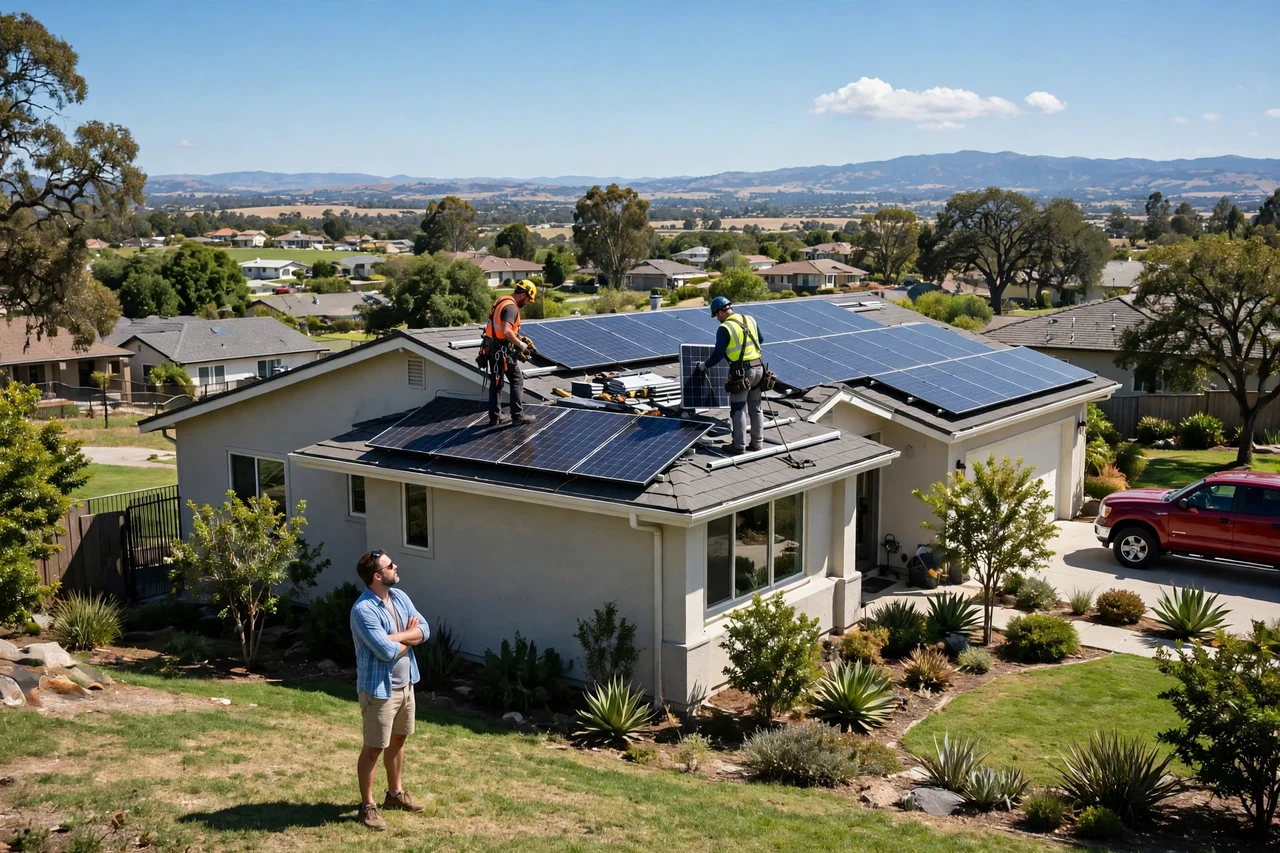
If your roof gets strong sun and you do not want to buy panels yourself, a solar developer may pay you monthly rent to install and operate their system on your roof. The developer handles installation, maintenance, and insurance, while you receive steady lease payments for twenty years or more in many agreements. Read the contract carefully before signing, because roof access, repair responsibilities, and what happens if you sell the house all matter enormously. Compare offers from multiple developers, and have a local attorney review the lease, since this is a long-term commitment tied to your home, and ask whether lease payments rise with inflation, since a flat payment loses value over two decades.
2. Selling Excess Power Back to the Grid
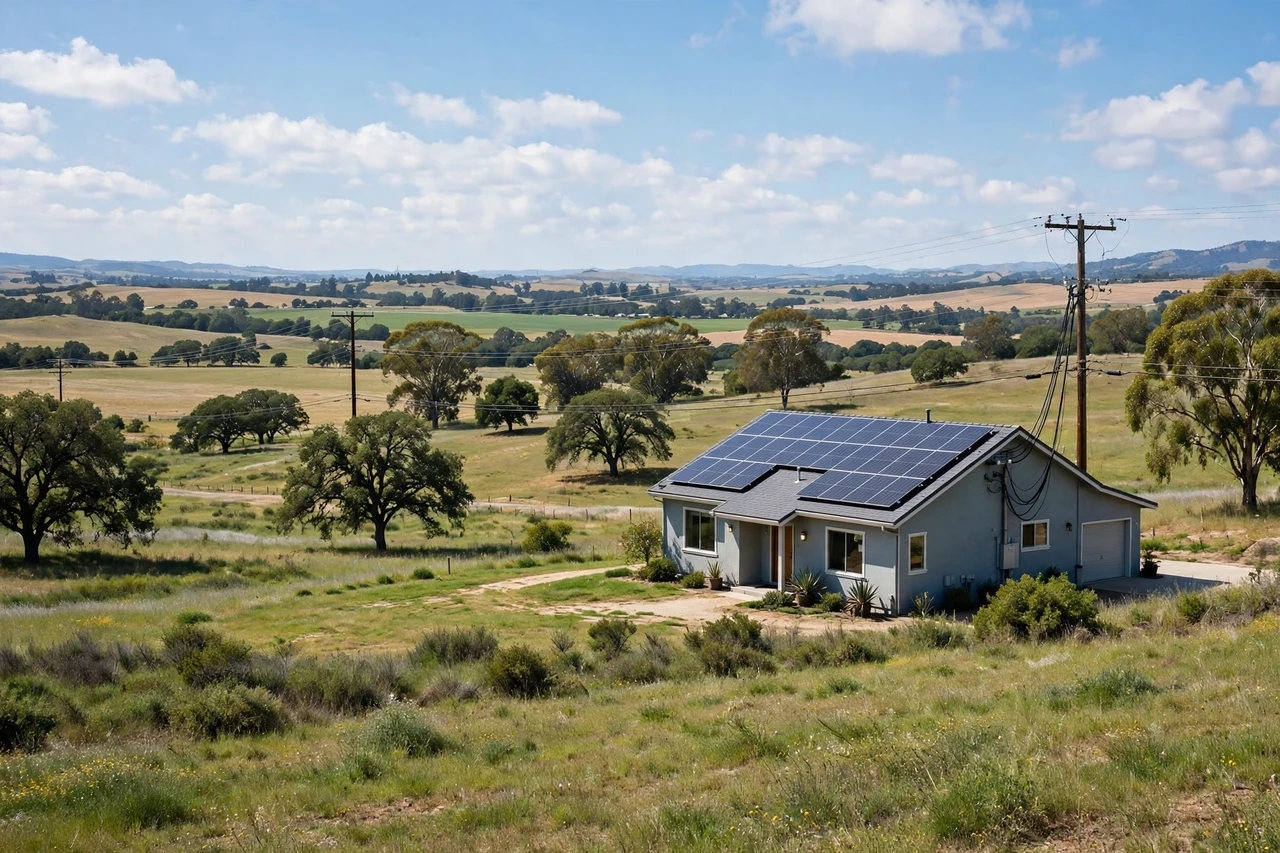
When your rooftop panels produce more electricity than your home uses, many utilities buy the surplus through net metering or feed-in programs. Your meter effectively runs backward on sunny days, earning credits or payments that lower your bill and sometimes produce a small surplus check. The value of exported power varies widely by state and utility, and some programs pay retail rates while others pay much less, so research your local rules before sizing a system. Pairing panels with efficient appliances maximizes the surplus you can sell, and tracking monthly production helps you spot problems early, and keep shade in mind as well, because a growing tree can quietly cut your export earnings over time.
3. Hosting a Community Solar Project on Your Property
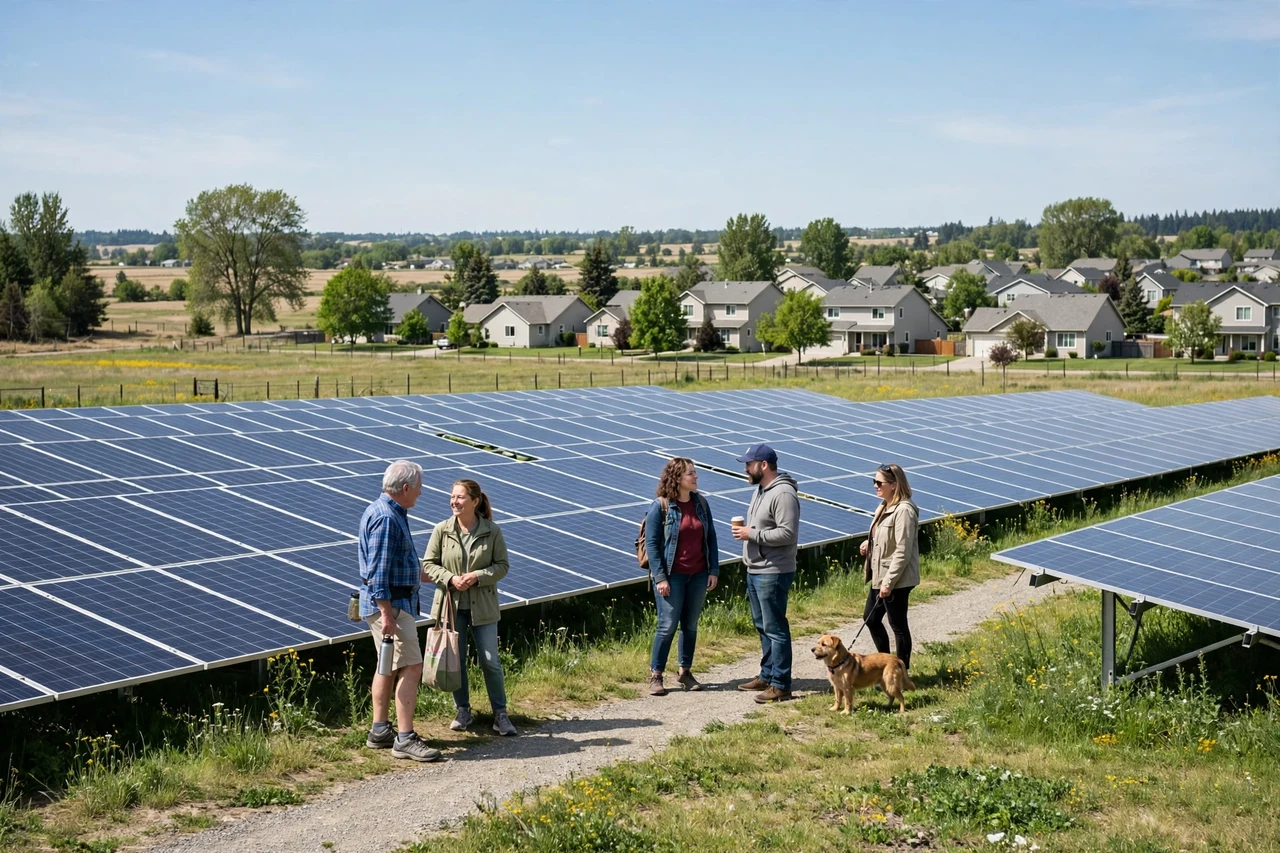
Homeowners with large, sunny yards or unused acreage can host a small community solar array that neighbors subscribe to for clean energy credits. A community solar developer typically leases your land, builds the array, and manages subscribers, while you earn lease income without buying equipment. This option suits rural and suburban properties with open land far better than small city lots, and local zoning rules will determine whether it is allowed. As with roof leasing, compare developer offers carefully and confirm who handles decommissioning when the agreement ends.
4. Joining a Virtual Power Plant With Your Home Battery
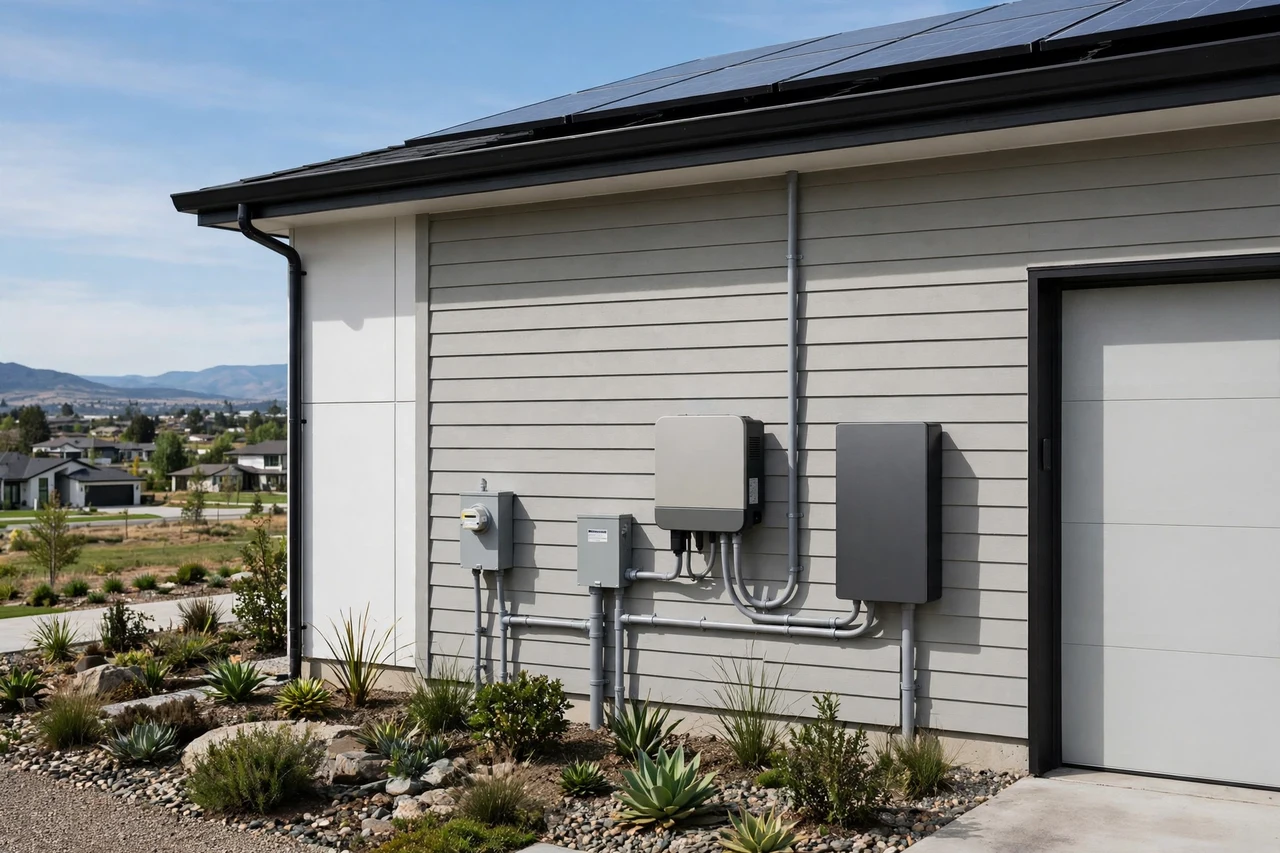
If you already own solar panels and a home battery, some utilities and energy companies pay you to join a virtual power plant that draws on your stored power during peak demand. Your battery discharges a small amount during grid emergencies or expensive evening hours, and you earn payments or bill credits in return. You keep backup power for your own home, since programs typically reserve a minimum charge level for you. Availability is limited to certain states and utilities, so check whether your area offers a program before buying a battery for this purpose alone.
5. Solar-Powered RV and Boat Storage Rentals
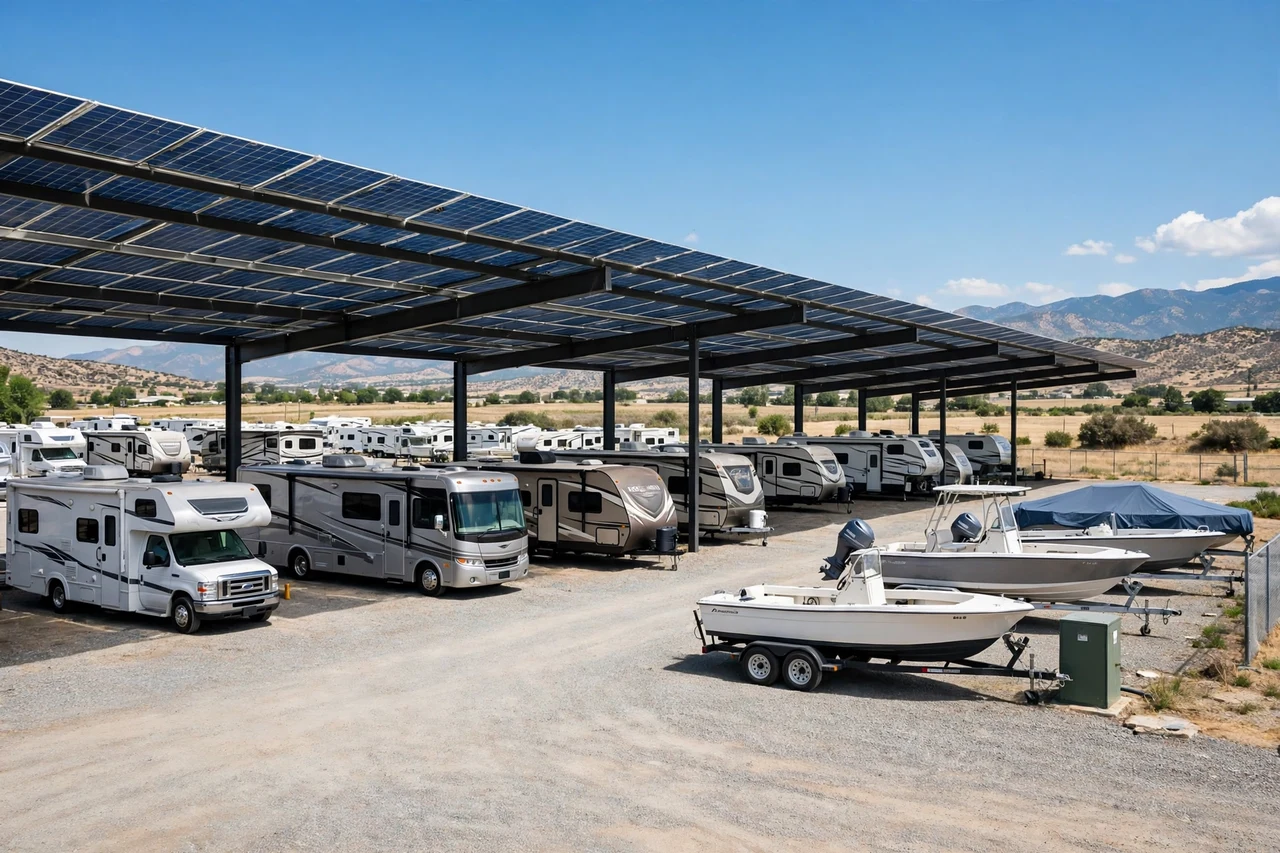
Homeowners with extra driveway, side yard, or acreage can earn rental income by offering shaded, solar-lit storage space for RVs and boats. Adding solar-powered security lighting and a small charging outlet makes your spot more attractive than an unlit field, and storage renters value gated, well-lit properties. List the space on peer-to-peer storage platforms, set clear rules about access hours, and check local zoning and insurance requirements first. This idea pairs naturally with solar because the panels power the lighting and cameras that keep stored vehicles safe.
6. Selling Solar Renewable Energy Certificates
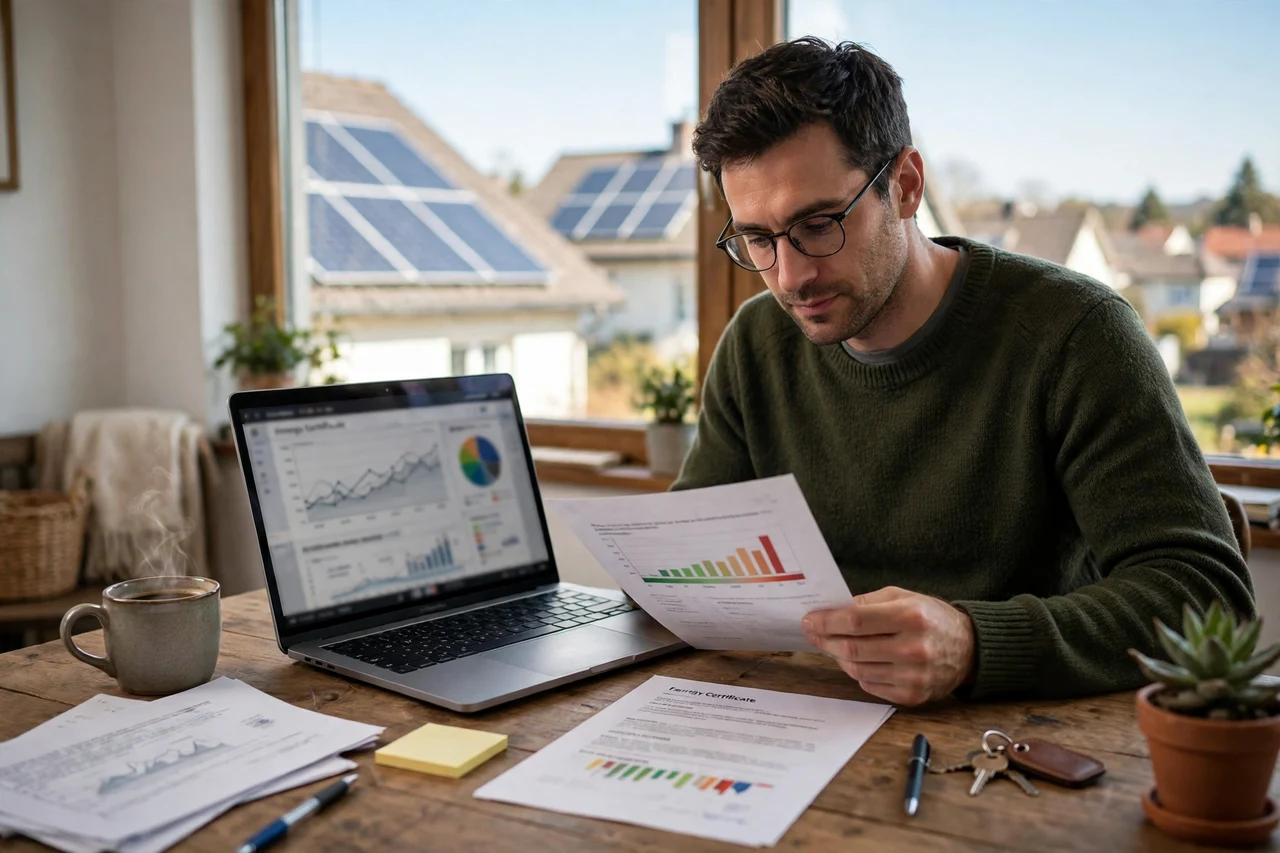
In many states, every unit of electricity your panels generate also creates a Solar Renewable Energy Certificate, or SREC, which utilities buy to meet clean energy requirements. SRECs trade in state markets, and their prices rise and fall with supply, demand, and state policy, so income varies from year to year. Some solar installers handle SREC registration and sales for you, while others leave it to the homeowner, so ask about this before signing an installation contract. Track your system’s production carefully, because every kilowatt-hour you document is a certificate you can sell.
7. Adding Solar to a Rental Property and Charging a Green Premium

Landlords who install solar on a rental property can often charge slightly higher rent, because tenants value lower electricity bills and modern, eco-friendly homes. The arrangement works best when you clarify in the lease who benefits from the solar production and how bills are handled, since rules differ by state. Some landlords include electricity in rent at a fixed rate, while others let tenants keep the solar savings directly. Either way, solar makes the property stand out in crowded rental markets and can reduce vacancy time between tenants.
8. Investing in Community Solar Shares
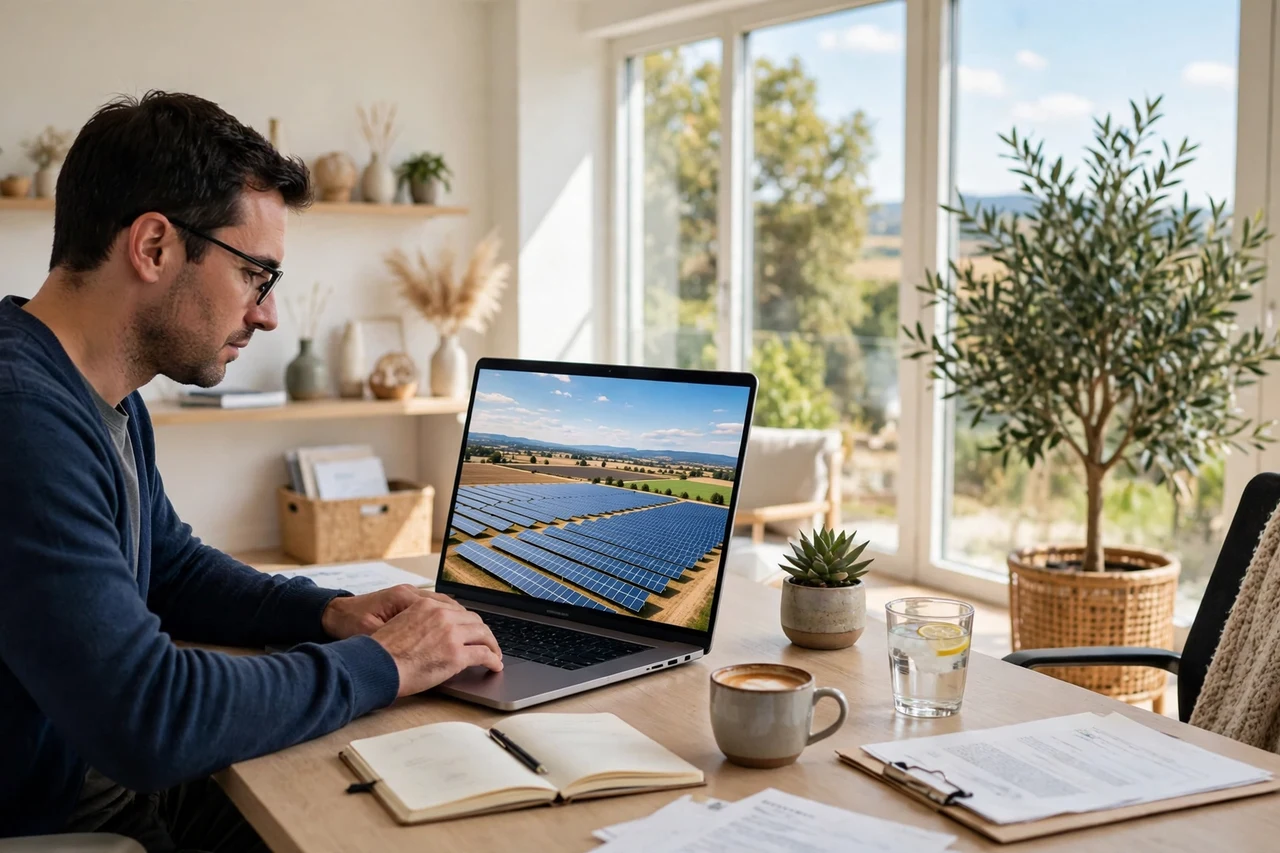
If your own roof is shaded or unsuitable for panels, you can still earn from solar by buying shares in a community solar project elsewhere in your state. Subscribers typically receive credits on their electricity bill based on their share of the project’s production, and some programs pay cash dividends instead. Returns depend on the project’s location, your state’s community solar rules, and the subscription terms, so read the fine print about contract length and exit options. This is the lowest-effort solar income idea on this list, since the project developer handles all construction and maintenance, and some programs also let you transfer the subscription if you move within the same utility territory.
9. Marketing a Solar-Powered Vacation Rental

Vacation rental guests increasingly search for eco-friendly stays, and a solar-powered home with an electric vehicle charger can command higher nightly rates than similar listings. Highlight the solar system, battery backup, and low carbon footprint in your listing photos and description, since these features attract guests who happily pay a premium. Solar also protects your rental income during power outages, because battery backup keeps lights and Wi-Fi running when neighboring properties go dark. Track whether the premium covers your system costs, and remember that solar alone never replaces good hosting, cleaning, and guest communication.
Frequently Asked Questions
Do I need to own solar panels to earn solar income? No, roof leasing and community solar shares let you earn without buying panels. Owning panels opens more options, like selling excess power and SRECs, but leasing your roof or land earns income with no equipment purchase at all. Retirees can start here too: passive income ideas for retirees.
How much can homeowners earn from solar income? Earnings vary enormously by location, system size, and local utility rules. Roof leases may pay a modest monthly rent, while selling excess power might only trim your bill, so get local quotes and read your utility’s current solar policy before estimating any return.
Does solar income affect my home’s resale value? Owned solar systems often add value, while leased systems depend on whether buyers accept the lease terms. Always keep installation paperwork, warranties, and lease agreements organized, since buyers and their lenders will ask for them during a sale.
What should I check before signing a solar lease? Confirm who pays for maintenance, insurance, and roof repairs, what happens if you sell the house, and how the agreement ends. A local attorney review is worth the cost for any contract lasting twenty years or more.
Are solar incentives still available in my state? Federal, state, and utility incentives change frequently, and some programs have waiting lists or caps. Check the Database of State Incentives for Renewables and Efficiency, known as DSIRE, plus your utility’s website, for current offers in your area.