
If you already spend your weekends under a hood, reading forums, or helping friends pick a used car, side hustles for car enthusiasts let you turn that knowledge into steady extra income. You do not need a full shop or a dealer license to start. Most of the ideas below work from a driveway, a garage, or a laptop, and they pay because car owners want honest help from someone who actually cares about cars. Like many legit side hustles that actually pay, they reward skill and reliability far more than fancy equipment. Start with one service, do it well, and let word of mouth bring the next customer.
1. Offer Pre-Purchase Inspections for Used-Car Buyers in Your Town
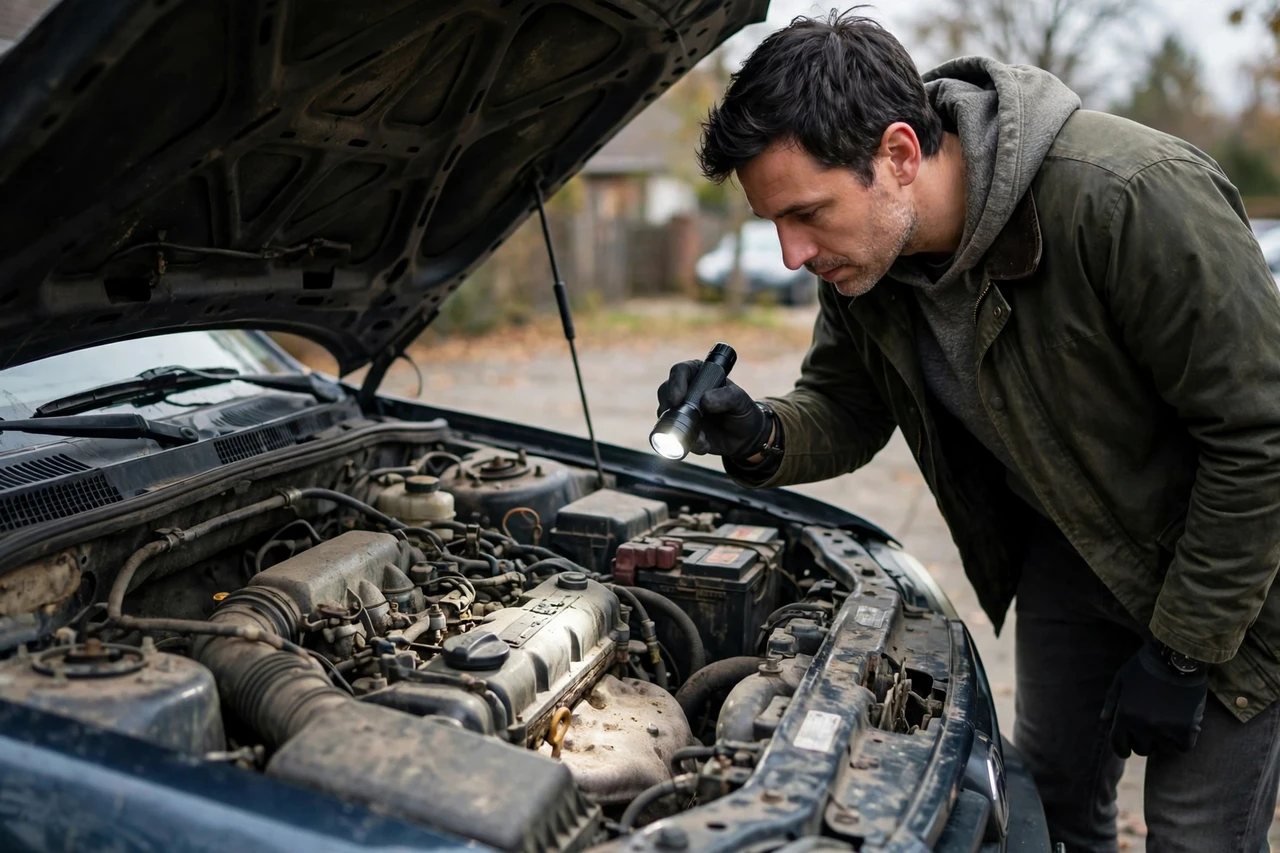
Buying a used car is stressful, and most buyers cannot tell a good car from one hiding expensive problems. A pre-purchase inspection solves that fear. You meet the buyer at the seller’s home or a parking lot, check fluids, tires, brakes, rust, leaks, warning lights, and service history, then give a plain written summary of what you found and what it may cost to fix.
Charge a flat fee and bring a basic scanner and flashlight. Your value is honesty, not a sale. Start by offering inspections to friends, coworkers, and local buy-and-sell groups, and ask happy buyers to leave a review. One careful report can save someone thousands, and that reputation travels fast.
2. Restore Cloudy Headlights as a Mobile Weekend Service
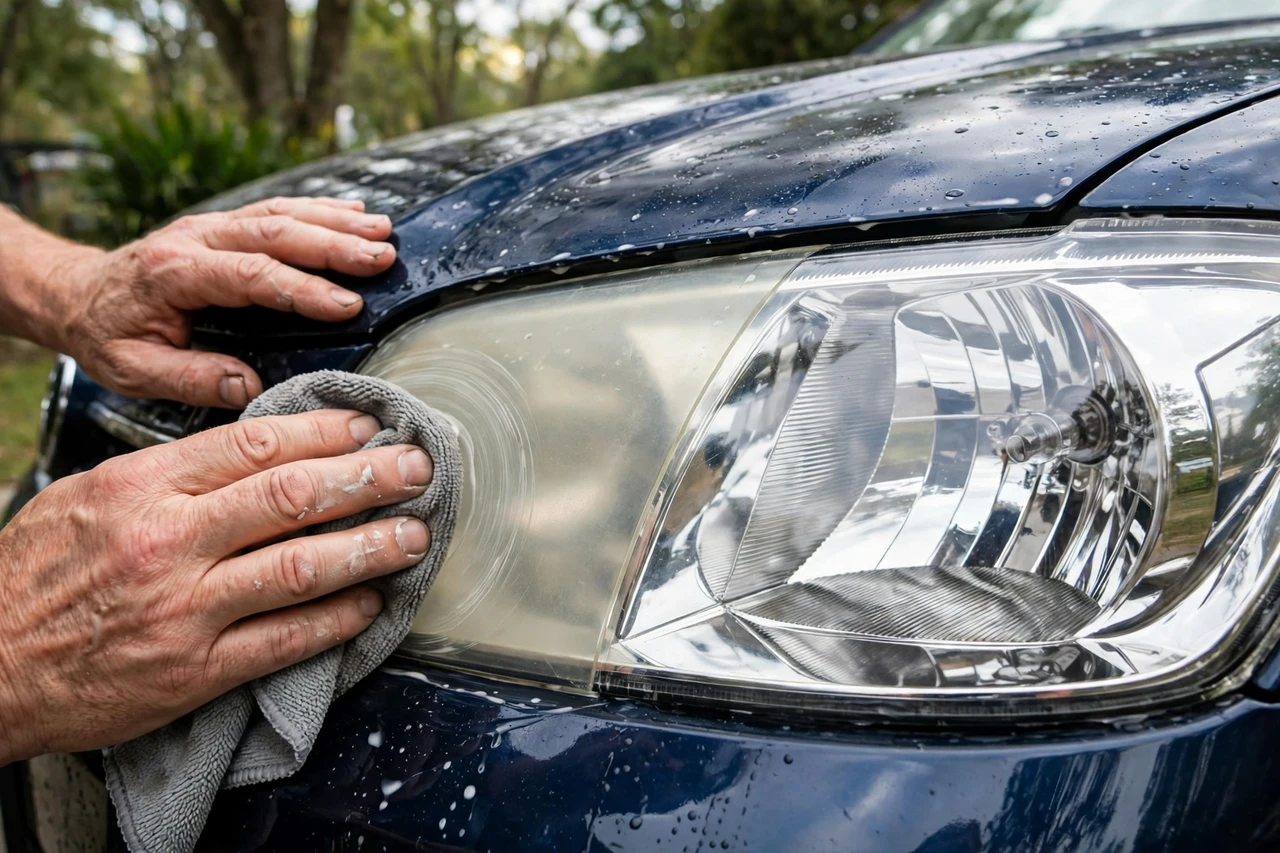
Cloudy headlights make a car look old and reduce visibility at night, yet many owners never fix them because dealerships charge a lot for replacement. With sandpaper, polish, and a UV sealant, you can restore most headlights in under an hour in a customer’s driveway. The before-and-after difference is dramatic, which makes this service easy to show in photos.
Price it per pair and explain that restoration is not the same as a brand-new lens. Offer it on weekends and keep your kit organized in one tote.
3. Do Paint Correction and Swirl Removal for Enthusiast Owners
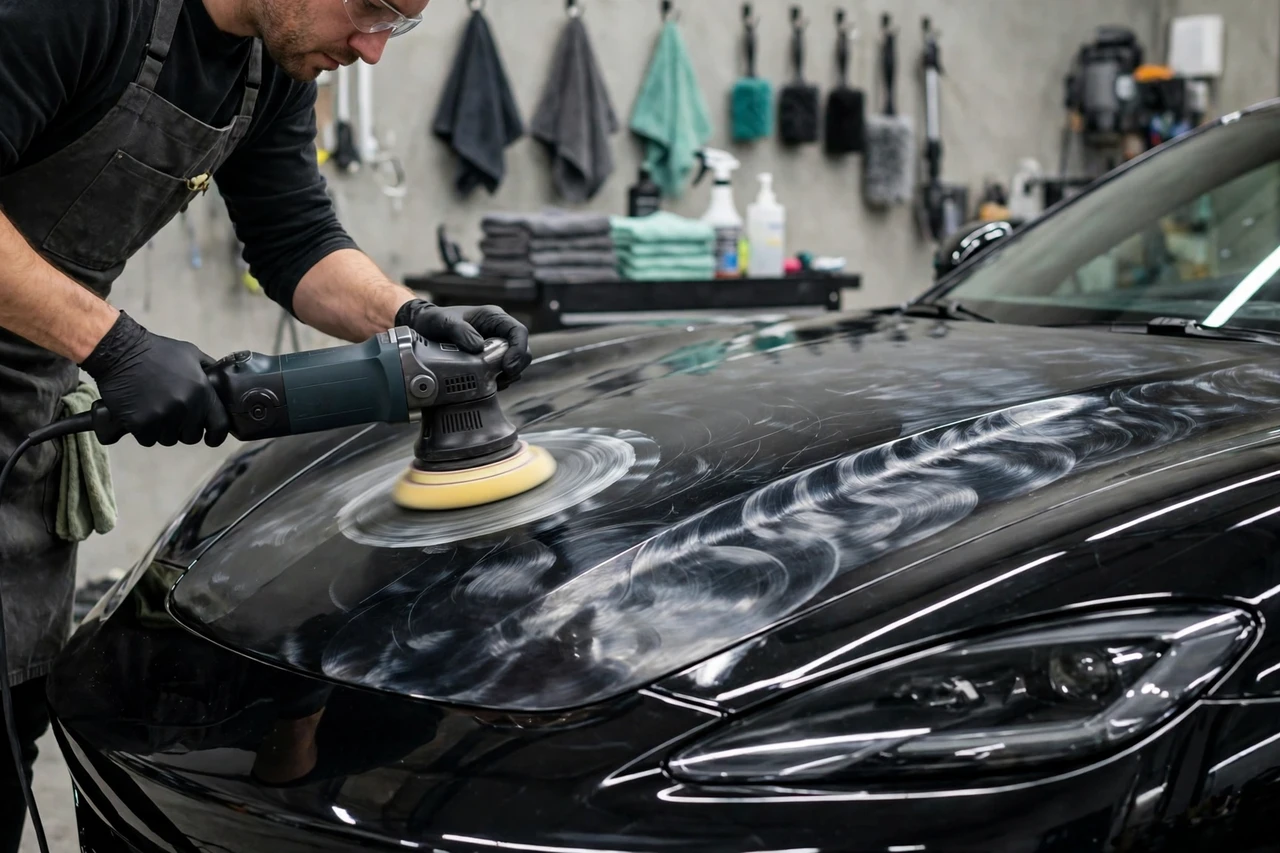
Enthusiast owners notice swirl marks, light scratches, and dull paint that a normal car wash cannot fix. Paint correction uses a polisher, pads, and compounds to level those defects and bring back depth and shine. It takes patience and practice, so start on your own car and on friends’ cars before charging full price.
Be upfront about what correction can and cannot do, especially with deep scratches or thin paint. Photograph your work in good light and offer a maintenance wash guide so the finish lasts.
4. Detail Interiors for Pet Owners and Busy Families
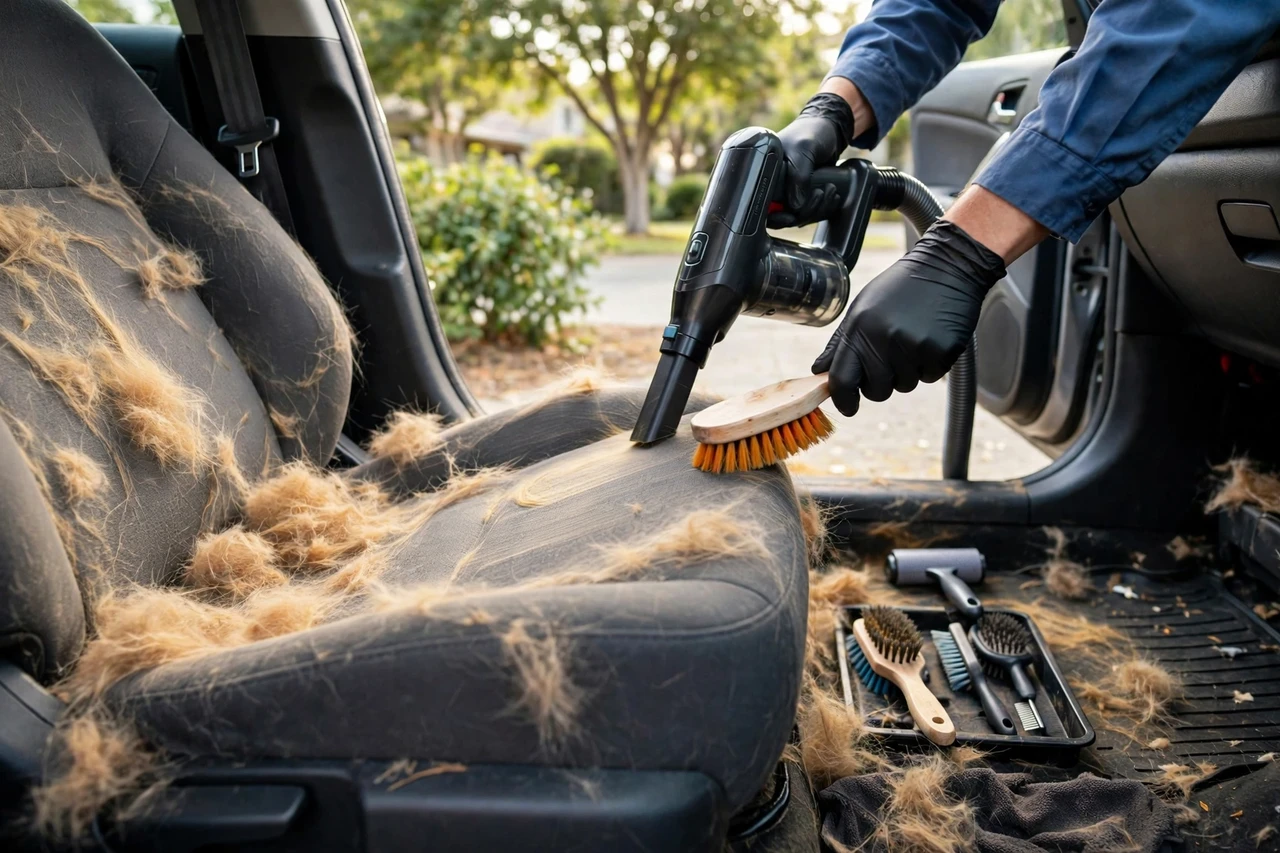
Pet hair, crumbs, spills, and kid messes build up fast, and many families would gladly pay someone trustworthy to reset their car’s interior. This is not a generic wash: it is vacuuming, brushing, steam or extraction cleaning, wiping every surface, and deodorizing without harsh chemical smells. Pet owners in particular value someone who knows how to remove embedded hair.
Work by appointment and take before-and-after photos with permission. Set clear expectations about stains that may not fully lift, and charge extra for heavy pet hair.
If you want to work mostly from your driveway, side hustles from home include several car services that need no shop.
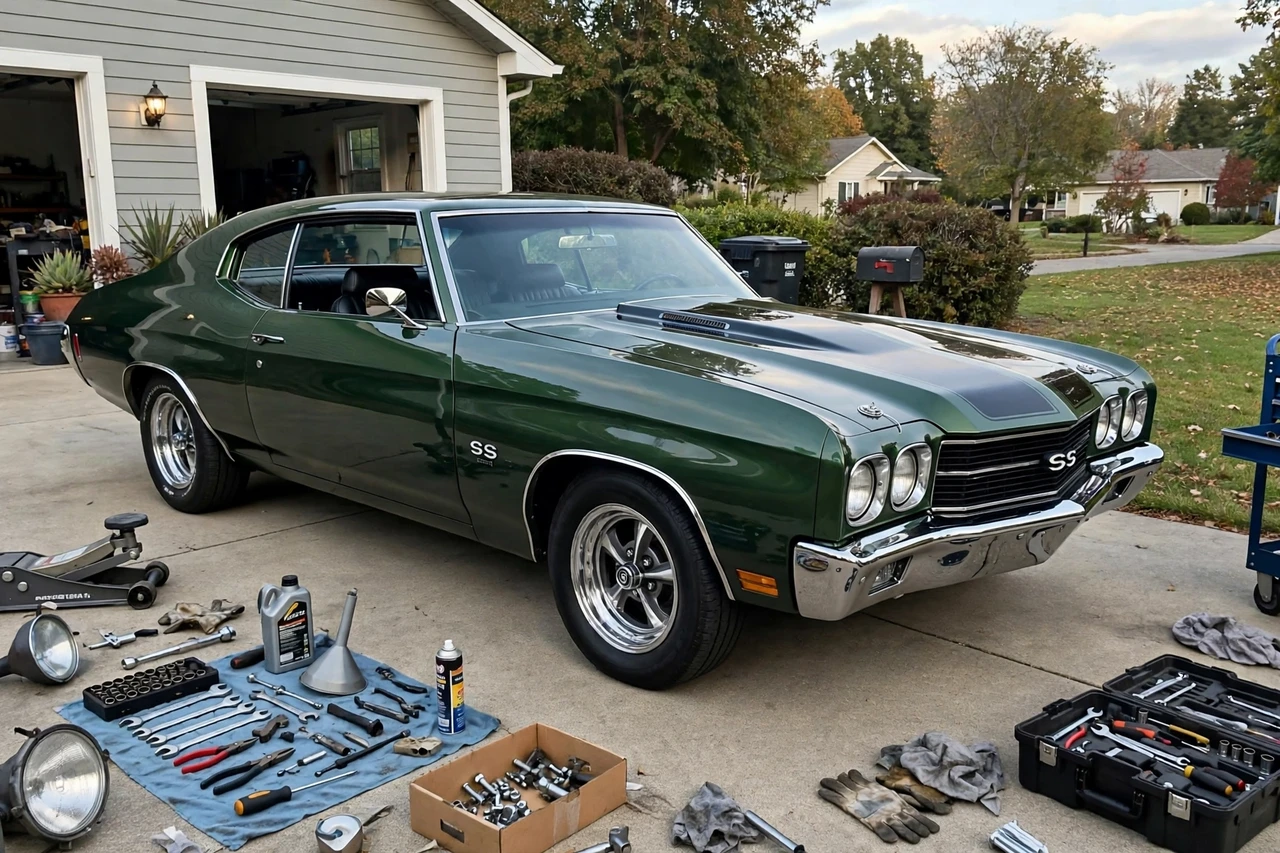
5. Flip Project Cars and Parts You Actually Know How to Judge
Flipping cars only works when you can judge condition honestly, and that is where enthusiasts have an edge. Look for common, in-demand models with cosmetic or minor mechanical issues you can fix yourself, not rare cars with expensive parts. Always check the title, history, and local rules before buying, and budget for surprises.
Keep records of every repair and sell with a clear description of what was fixed and what remains. Avoid hiding faults, because one bad sale can ruin your local reputation.
6. Sell Used Parts You Pull, Clean, and Test Yourself
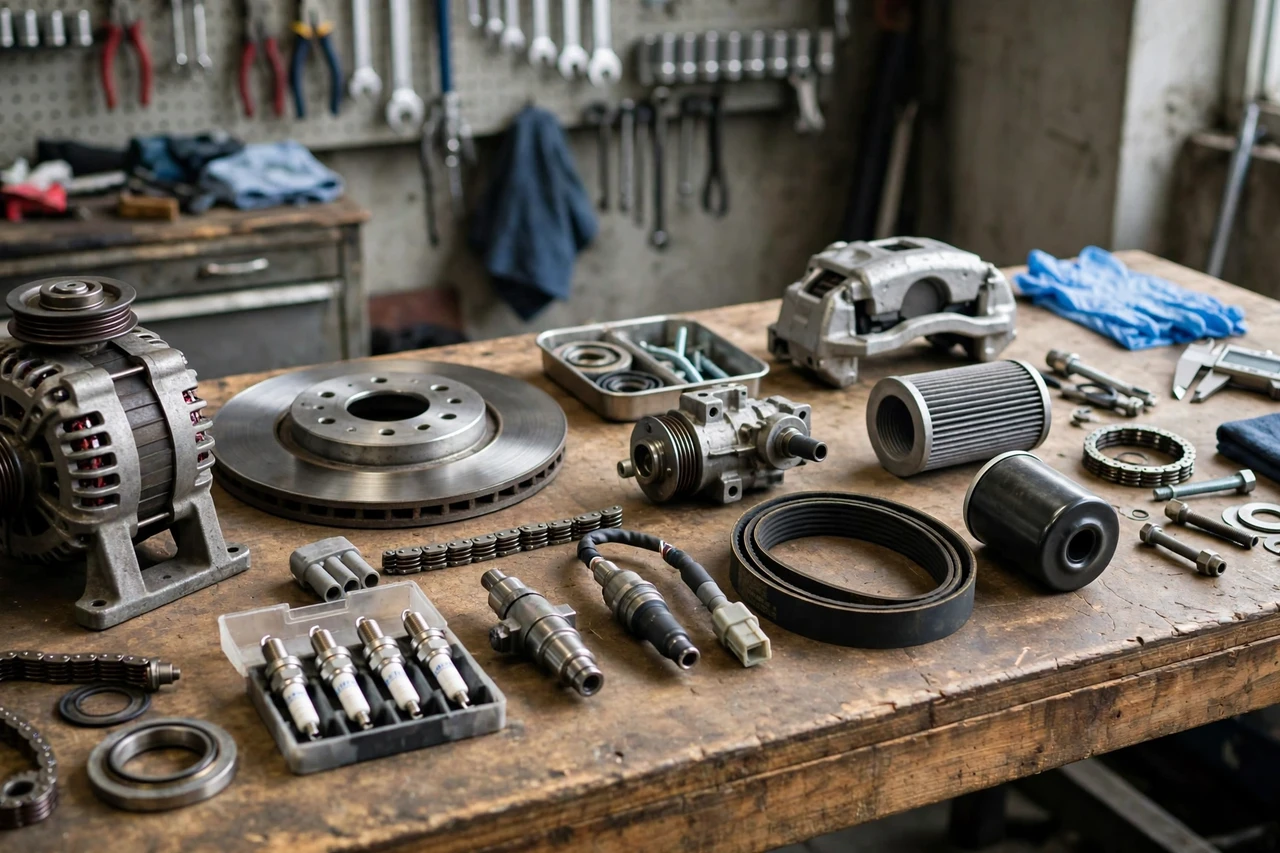
Enthusiasts often have spare parts sitting in a garage, and other owners are actively searching for those exact parts. Pull parts from project cars or parts cars, clean them, test what can be tested, and list them with honest photos, part numbers, and condition notes. Wheels, trim, lights, and interior pieces sell well when the listing is specific.
Ship carefully, pack fragile items well, and answer fitment questions honestly rather than guessing. A buyer who gets exactly what was described will come back for the next part. Over time, a small parts shelf can become a reliable side income without taking over your weekends.
7. Run Beginner Car Maintenance Workshops in a Local Garage
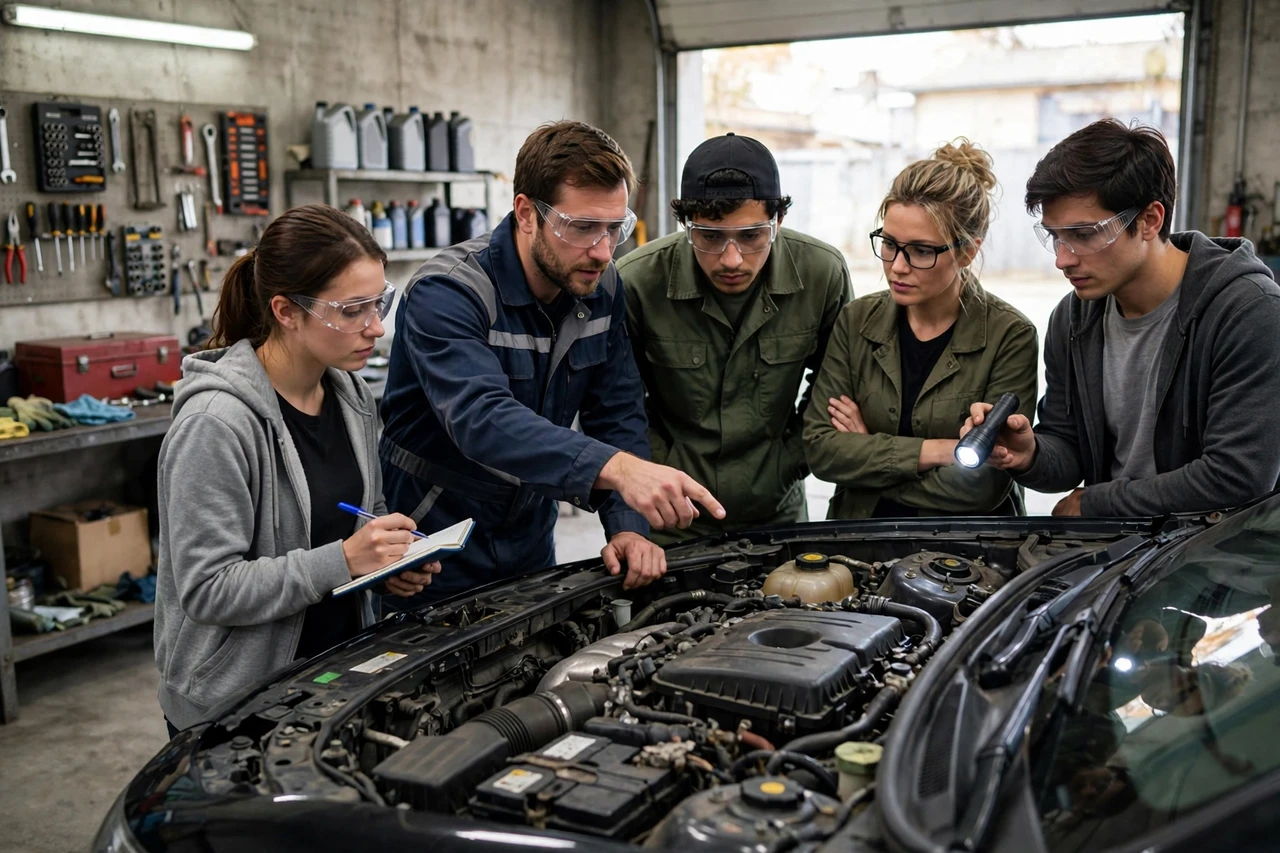
Many drivers want to check their oil, change a tire, or replace wiper blades, but they have never been shown how. A small hands-on workshop teaches those basics in a safe, friendly setting. Keep groups small, use a demonstration car, and let each person practice one skill rather than watching a long lecture.
Partner with a community center or local garage for space, and charge a modest ticket price that covers materials. Provide a simple take-home checklist.
For more ideas that fit a Saturday, see weekend side hustle ideas.
8. Write Honest Buyer Guides for Popular Used Models
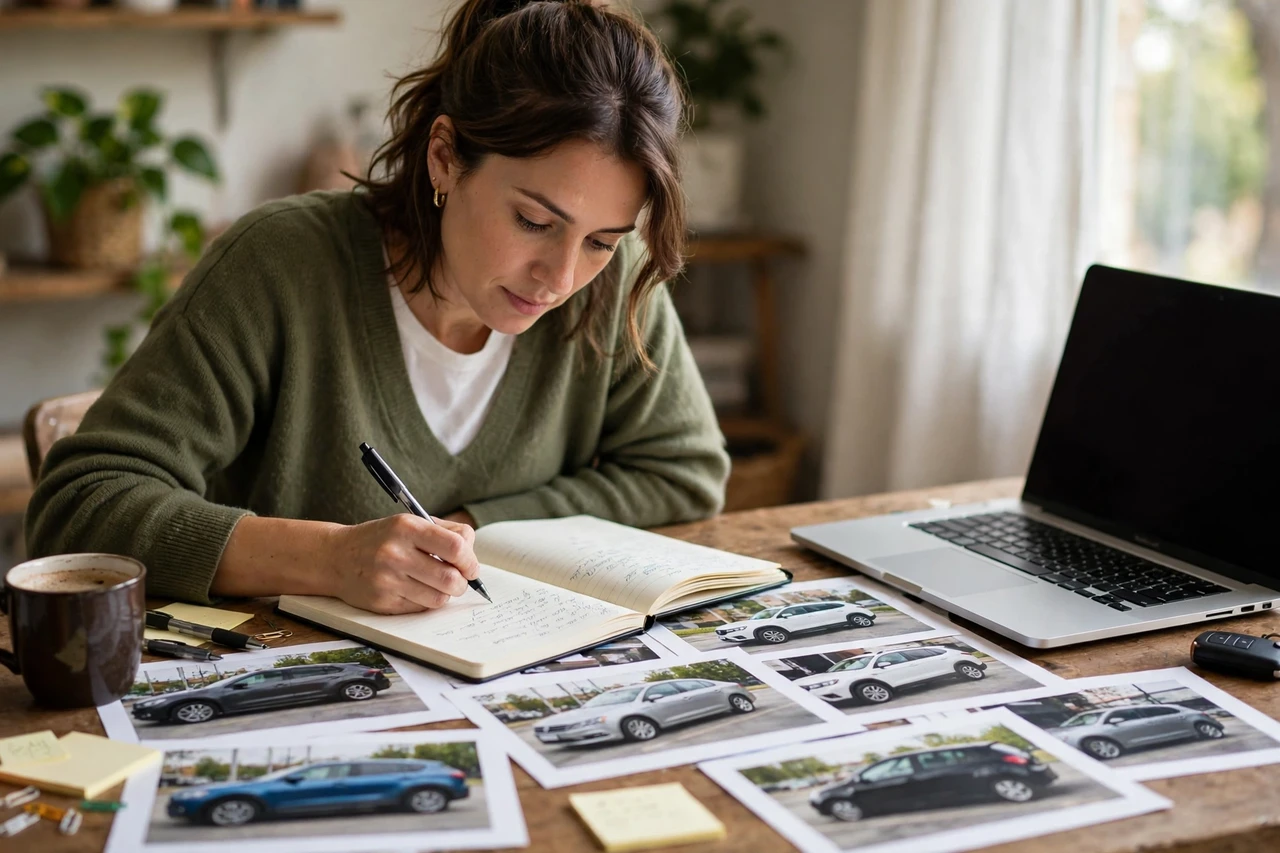
Buyers search for real-world advice before choosing a used car: which model years to avoid, what breaks first, and what maintenance actually costs. If you know a model well, write a clear guide covering common problems, what to check on a test drive, and fair price ranges. Publish it on a blog, newsletter, or freelance platform.
Keep the advice honest and specific, and update the guide when prices or known issues change. You can earn from ads, affiliate links to tools or parts, or by selling a longer checklist version. One thorough guide beats ten thin articles that repeat the same generic tips.
9. Start a Car-Focused YouTube Channel Around Real Repairs
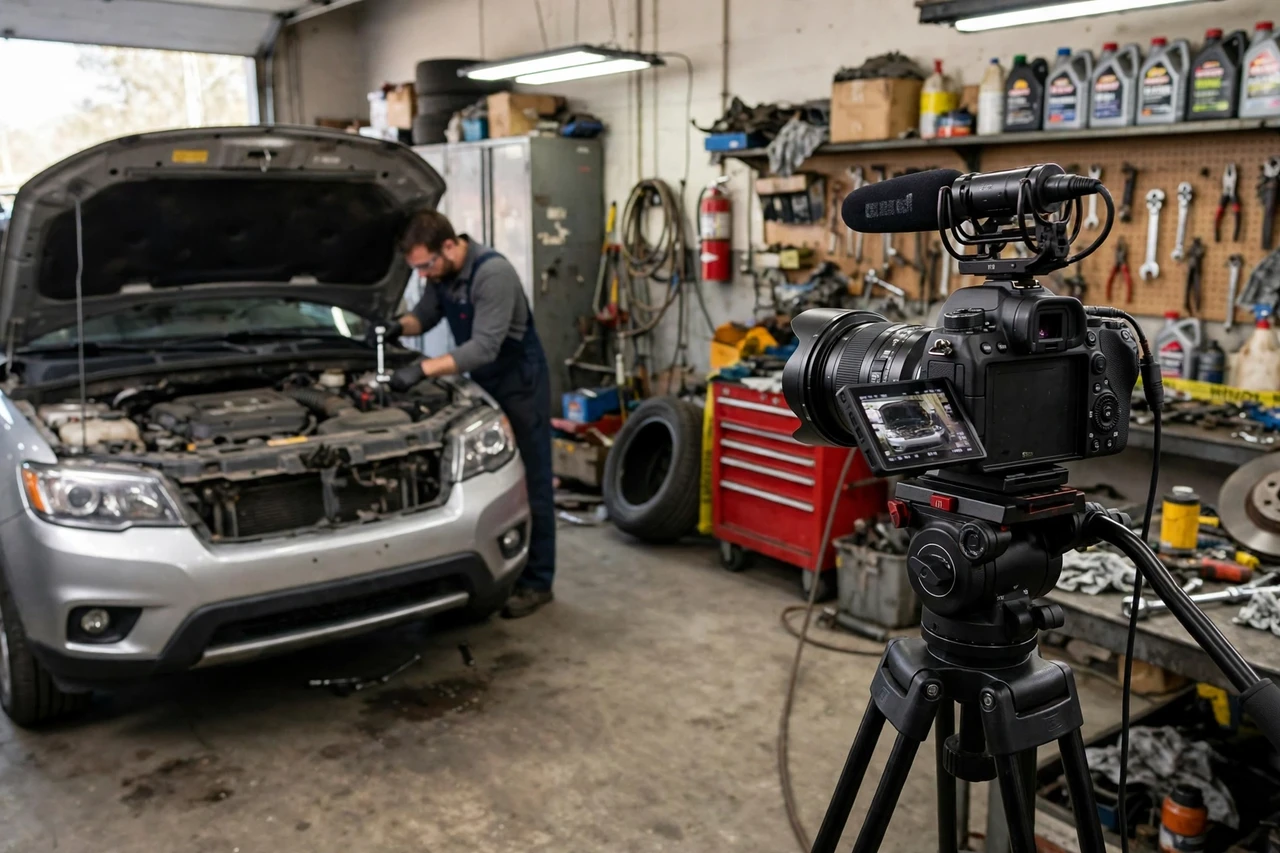
Viewers trust creators who show real repairs, real mistakes, and real results, not just polished car tours. Film a repair you were already doing, explain each step in plain language, and show the tools and costs involved. You do not need expensive cameras to start; clear audio and good lighting matter more.
Publish on a schedule you can sustain and keep videos focused on one job at a time. Income may come later from ads or affiliate links, but the channel also brings local work.
10. Offer Seasonal Winterization Checks Before Cold Weather Hits
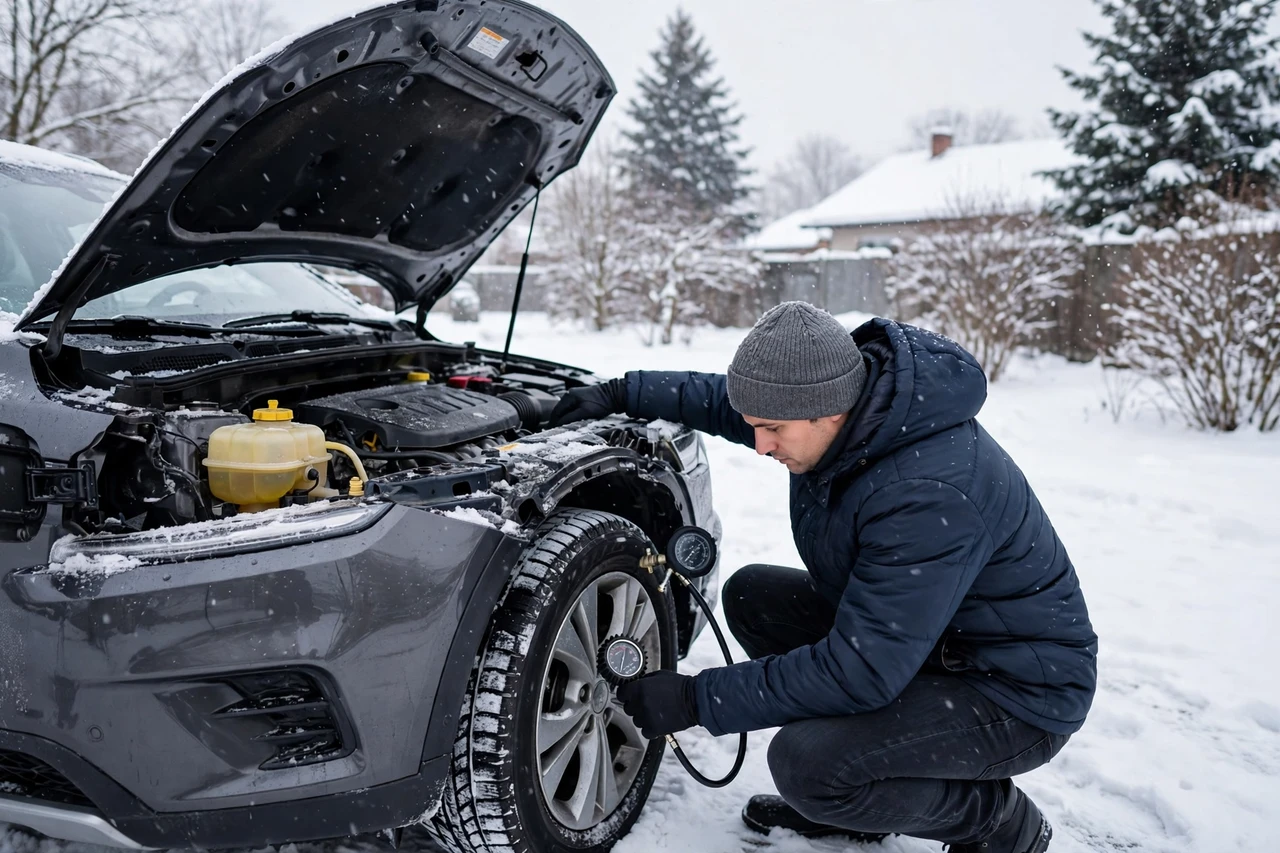
Before winter, drivers need their battery tested, coolant checked, tires inspected, wipers replaced, and emergency kit refreshed. A seasonal check package bundles those small jobs into one visit that saves owners a breakdown in freezing weather. It is especially useful for older cars and for drivers who are not mechanically confident.
Advertise in early fall, work through a simple checklist, and leave the owner a written report with priorities. Do not upsell repairs they do not need; flag urgent items clearly and routine items separately. A trustworthy seasonal visit often turns into year-round repeat business.
11. Help Neighbors Diagnose Warning Lights Without Dealership Prices
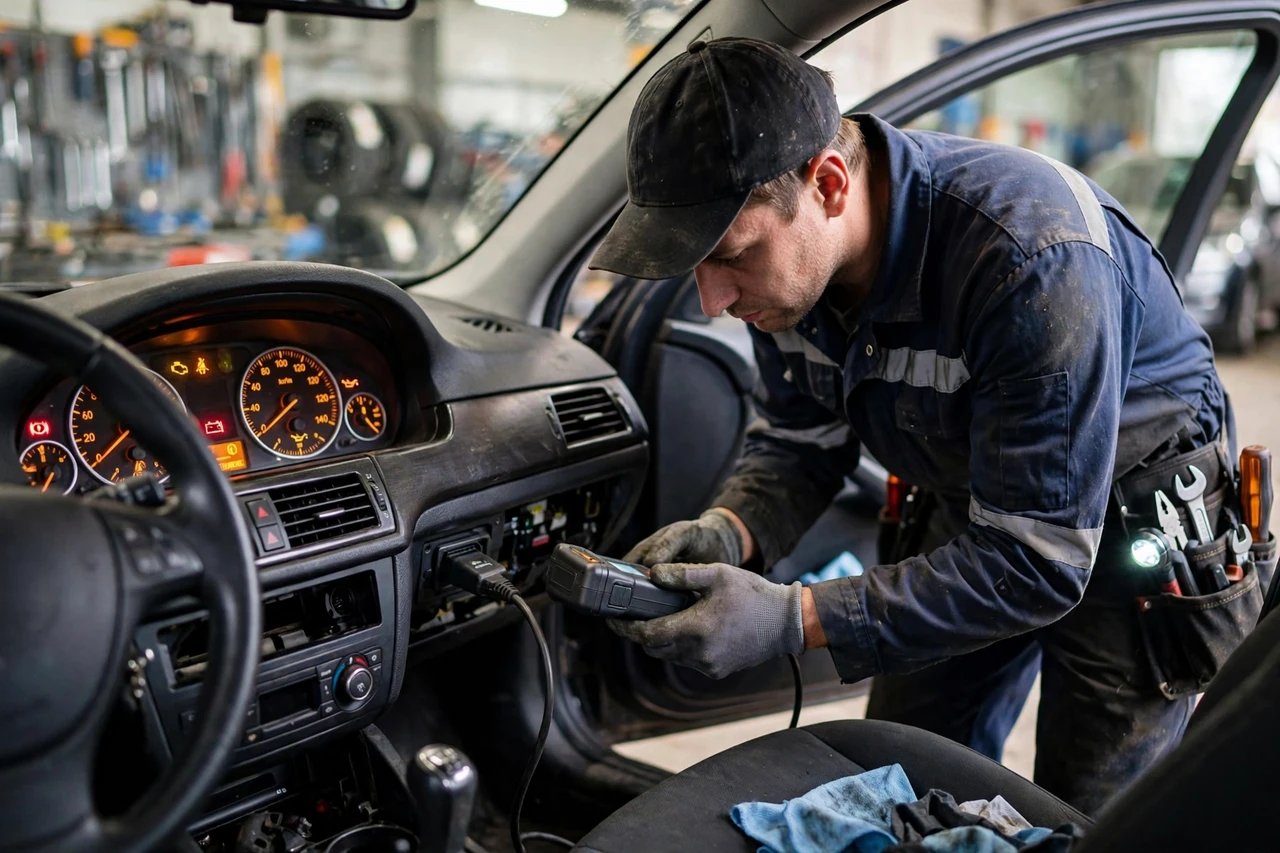
A warning light on the dashboard worries most drivers, and a dealership visit can feel expensive for a simple answer. With an OBD scanner and basic knowledge, you can read codes, explain what they likely mean, and help the owner decide whether the car is safe to drive or needs a shop right away. Always be clear about the limits of a code reading.
Charge a small flat fee, keep notes for the customer, and refer serious safety issues to a qualified mechanic without hesitation. Your role is translator and first check, not a replacement for professional repair. Neighbors appreciate calm, honest explanations, and they will recommend you to others.
12. Create a Paid Newsletter Covering Local Car Meets and Market Prices
Local car culture runs on meets, shows, swap meets, and shifting used-car prices, but that information is scattered across social media. A short weekly newsletter that gathers upcoming events, interesting listings, and plain-English market notes can become a habit for local enthusiasts. Start free, then add a paid tier with deeper price tracking or early listings.
Keep each issue short, accurate, and local, and never copy other people’s listings without permission. Attend events yourself, talk to sellers, and build a reputation for useful picks rather than hype. A newsletter grows slowly, but it pairs well with inspections, workshops, and other car services.

Frequently Asked Questions
Do I need to be a certified mechanic to start these side hustles?
No, but you must stay within your skill level. Inspections, cleaning, guides, and teaching basics are fine for knowledgeable enthusiasts, while safety-critical repairs should go to a licensed shop. Be honest about what you can and cannot do.
How much money do I need to start?
Many of these ideas need only basic tools you may already own, plus a scanner, cleaning supplies, or a polisher. Start with one service, reinvest early earnings into better tools, and avoid buying a full shop setup before you have customers.
How do I find my first customers?
Start with friends, family, coworkers, and local car groups online. Offer a clear service, a flat price, and before-and-after photos, then ask happy customers to recommend you. One good review in a local group is worth more than a large ad spend.
Should I get insurance for car side hustles?
Yes, look into basic liability coverage, especially if you work on other people’s cars or host workshops. Check local rules for your area, keep written agreements for larger jobs, and never work on a car in a way that could put someone at risk.
Which car side hustle is best for a beginner?
Headlight restoration, interior detailing, and pre-purchase inspections are good starting points because they need modest tools and teach you how to deal with customers. Pick the one you enjoy most, since you will stick with it longer.