If you are already ranked, competitive, or just unusually good at one game, that skill has real market value. These esports coaching side hustles and game-testing gigs let you earn from what you practice every day — coaching players who want to climb, testing games before release, and creating the analysis competitive players actually pay for. None of them requires you to be a pro player. What clients pay for is clear teaching, honest feedback, and reliability: show up on time, explain the “why” behind every tip, and deliver notes they can use in their next match.
Before you pick a path, read our guide to the best online side hustles for beginners and legit side hustles that actually pay so you can spot real clients and avoid unpaid “exposure” work.
1. Coach Ranked Players One-on-One in Your Main Title
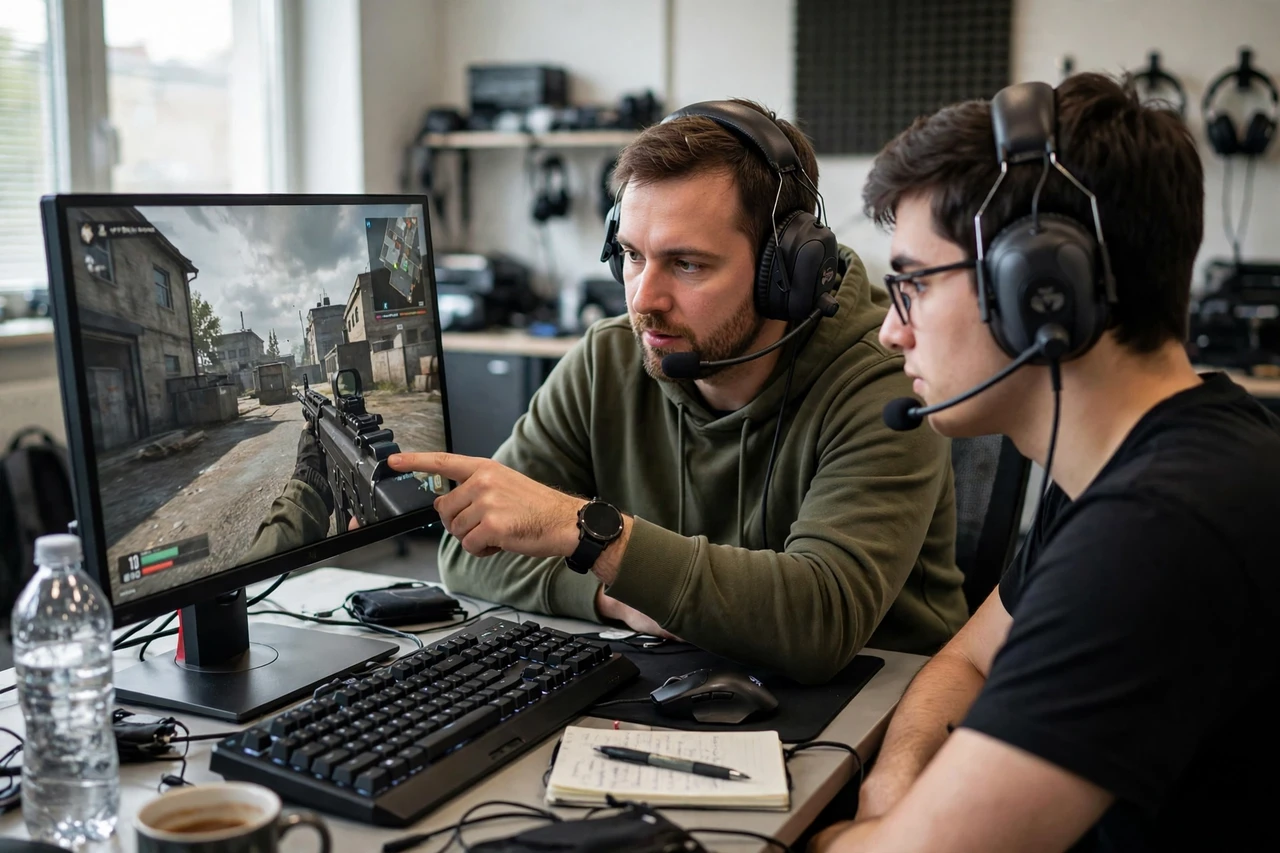
One-on-one coaching is the highest-paid entry point in this list, because it solves a specific problem: a player is stuck at a rank and wants a plan to get past it. Pick one game you know deeply, not five you play casually, and offer a 60-minute session that includes a live review, two or three clear fixes, and a short practice plan. Record the session so the client can rewatch it. Price per session, offer a discounted bundle of four, and ask every happy client for a short testimonial with their rank progress — proof of results is what fills a coach’s calendar.
2. Run Small Online Training Camps for Amateur Teams
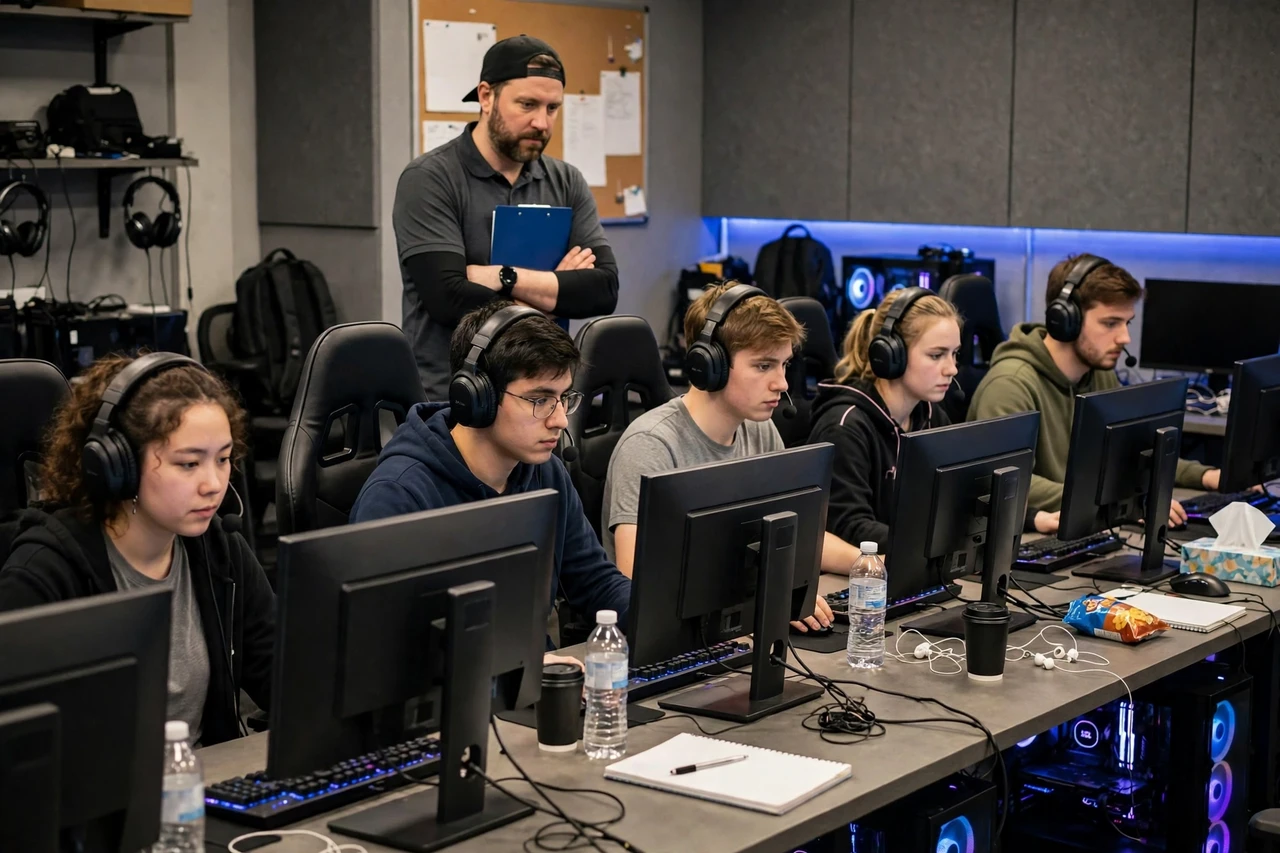
Teams preparing for a tournament will pay for a structured weekend camp: scrims, reviews, and role-specific drills, all run by one coach. Keep groups to four or five players so everyone gets attention, and build the schedule around warm-ups, two scrim blocks, and a review session at the end of each day. Charge per player, cap the group, and send a written summary after the camp so the team keeps improving without you. Camps take more preparation than a single session, but they pay for a full weekend’s work in one booking.
3. Break Down Replays Into Improvement Plans for Competitive Players
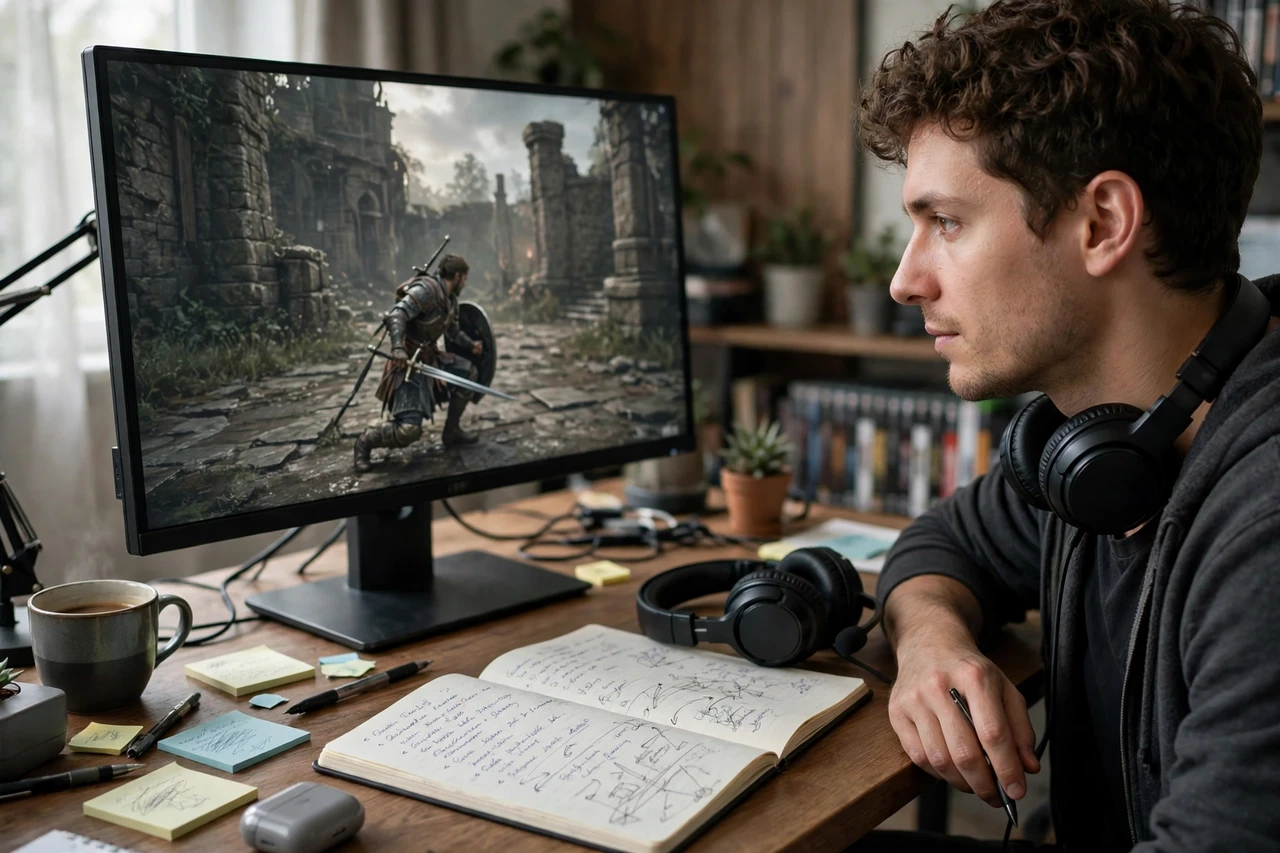
Not every player wants live coaching — many prefer a written breakdown they can study on their own time. Offer a replay review service: the client sends two or three recent matches, and you return timestamped notes on positioning, decision-making, and the three habits costing them the most games. Use plain language, show the exact moment with a clip or timestamp, and end with a one-week drill plan. This work is flexible, asynchronous, and easy to fit around a job or classes, which makes it a great first coaching product.
4. Test Unreleased Games for Bugs and Balance Problems
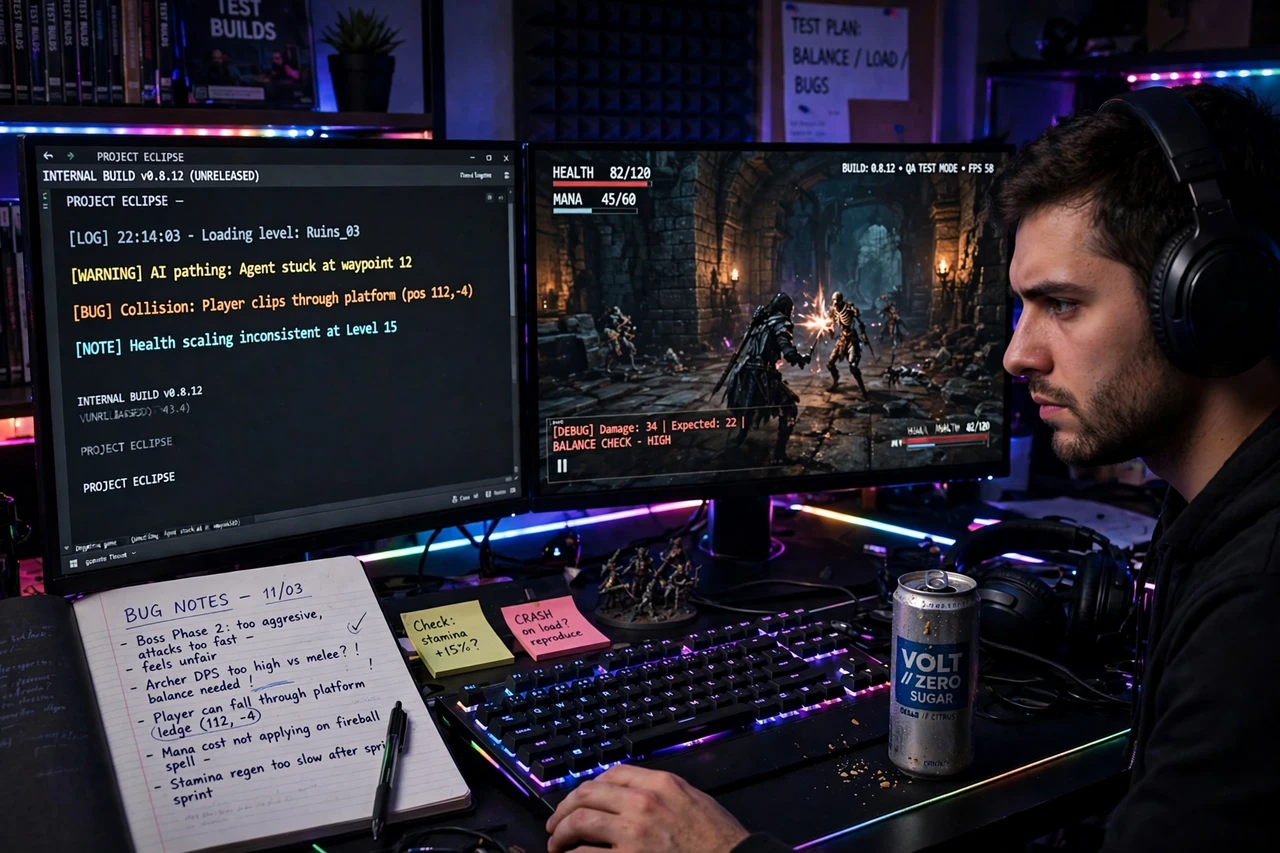
Studios hire testers to play early builds and report what breaks, what feels unfair, and what confuses new players. Good testers do not just play — they write clear bug reports: what happened, how to repeat it, and what device or settings they used. Apply through studio testing programs and established testing platforms, and build a reputation for detailed, reproducible reports. Pay is usually per project or per hour, and testers who communicate well get invited back for the next build. Treat confidentiality seriously: never share unreleased content, even with friends.
5. Join Paid Playtest Panels for New Features and Modes
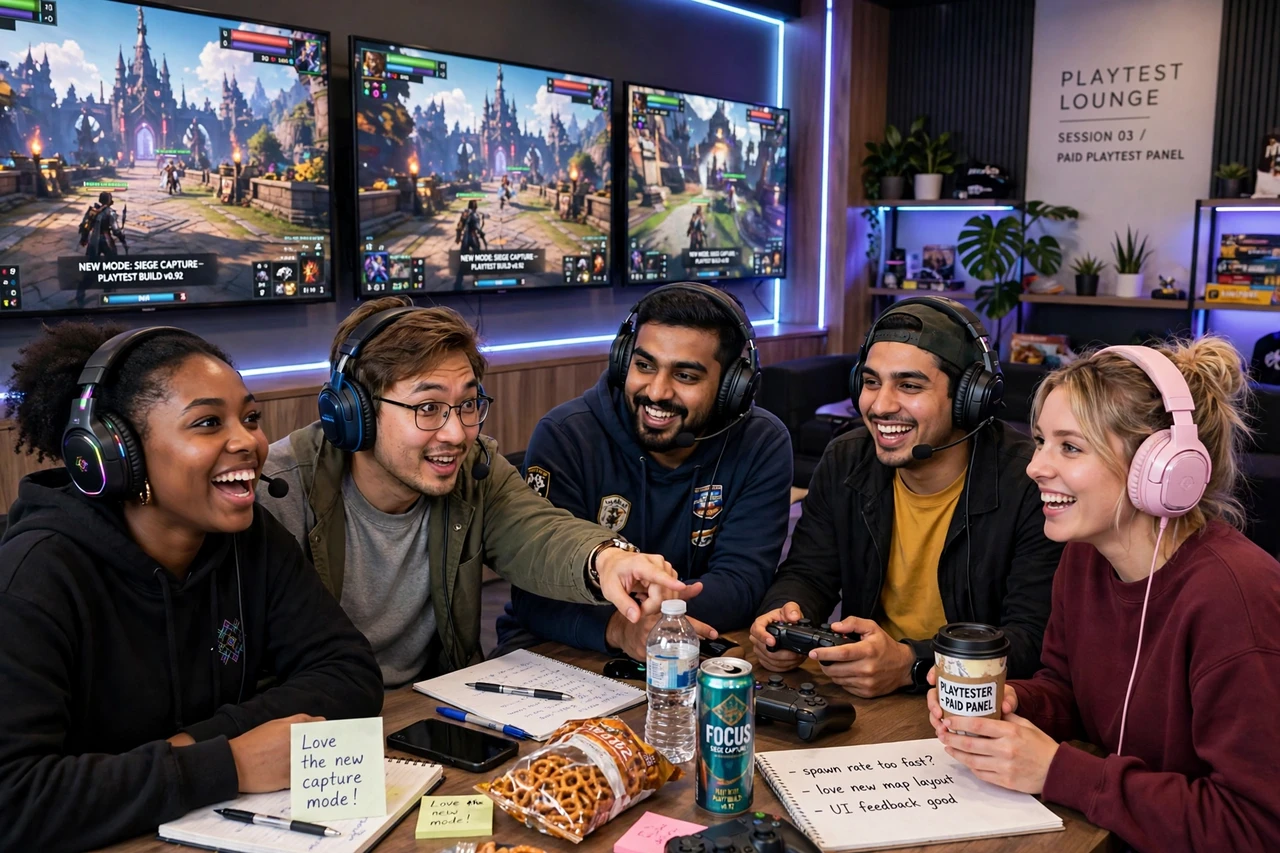
Playtest panels are shorter than full testing jobs: you try a new map, mode, or feature for an hour or two and answer questions about what worked. Panels often run remotely, pay per session, and welcome players of all skill levels, because studios need to know how a feature feels to average players too, not just experts. Sign up with several reputable panels, keep your profile honest about the games you play, and respond quickly when invitations arrive — popular panels fill fast. The pay per session is modest, but the work is easy to stack alongside coaching.
6. Coach New Streamers on Gameplay, Setup, and Audience Growth
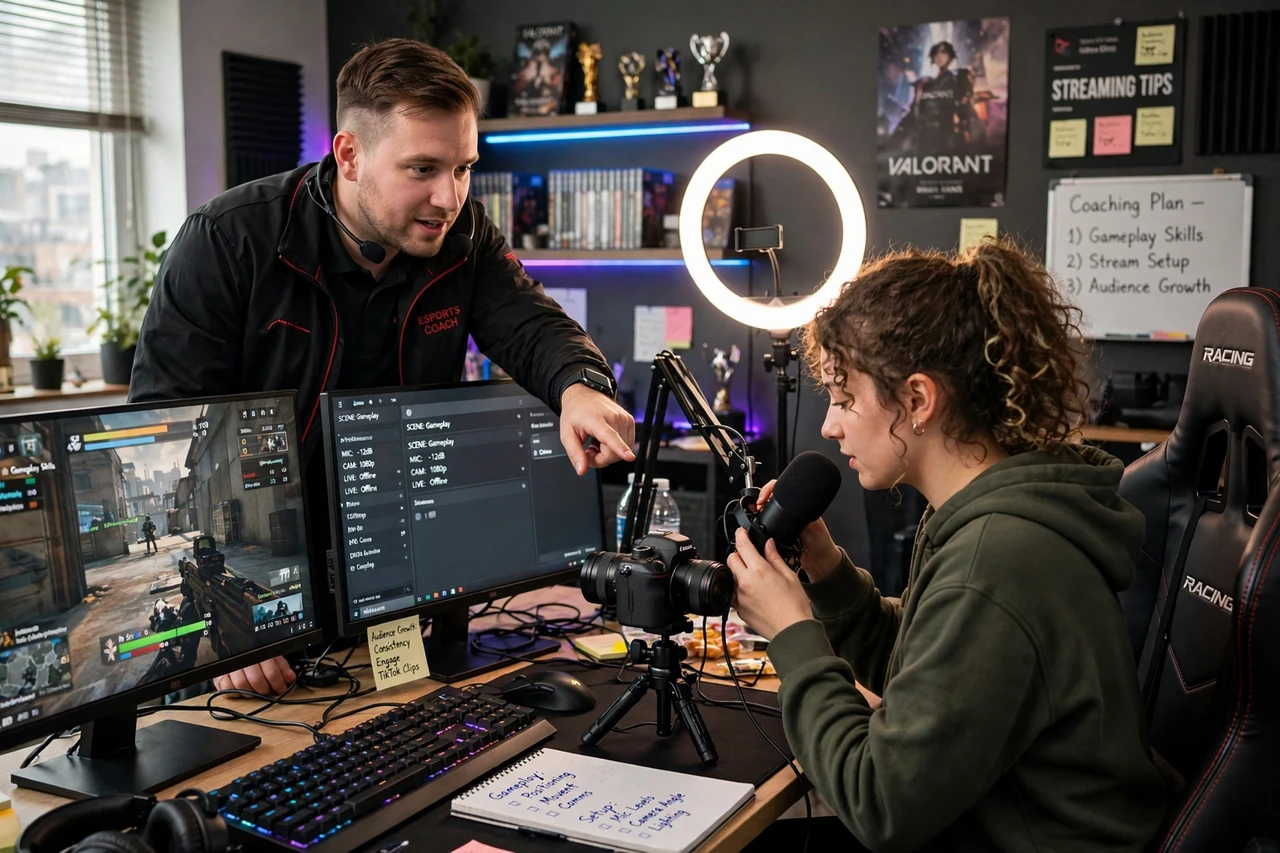
New streamers need more than game skill — they need a clean setup, a consistent schedule, and a reason for viewers to stay. If you stream yourself, package that knowledge: help clients fix audio and overlay problems, plan a content schedule, and improve their on-stream commentary during matches. Offer a one-time setup review plus a follow-up session a month later, so clients can show you what changed. This niche is less crowded than ranked coaching, and streamers who grow tend to keep their coach for months.
7. Build Paid Aim and Mechanics Courses for Beginners
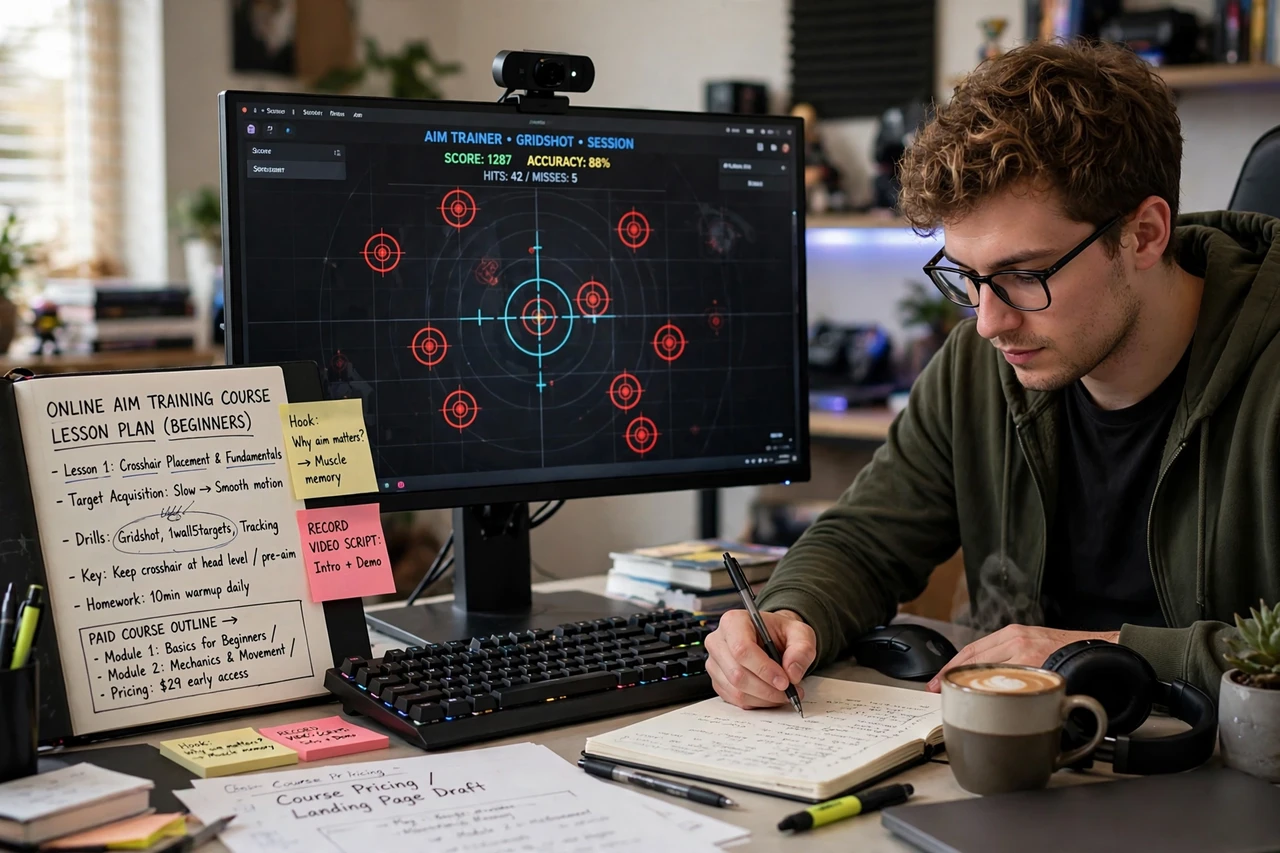
A short, focused course sells while you are offline. Record lessons on one skill — aiming, movement, or a single character’s mechanics — with drills viewers can practice in ten minutes a day. Keep videos short, show your own screen, and include a practice routine and a way to track progress. Sell the course on your own page or a course platform, and give away one free lesson so buyers can judge your teaching before they pay. One good course in a popular title can outsell months of one-on-one sessions, and you can update it when the game changes.
8. Scout New Talent for Amateur Esports Organizations
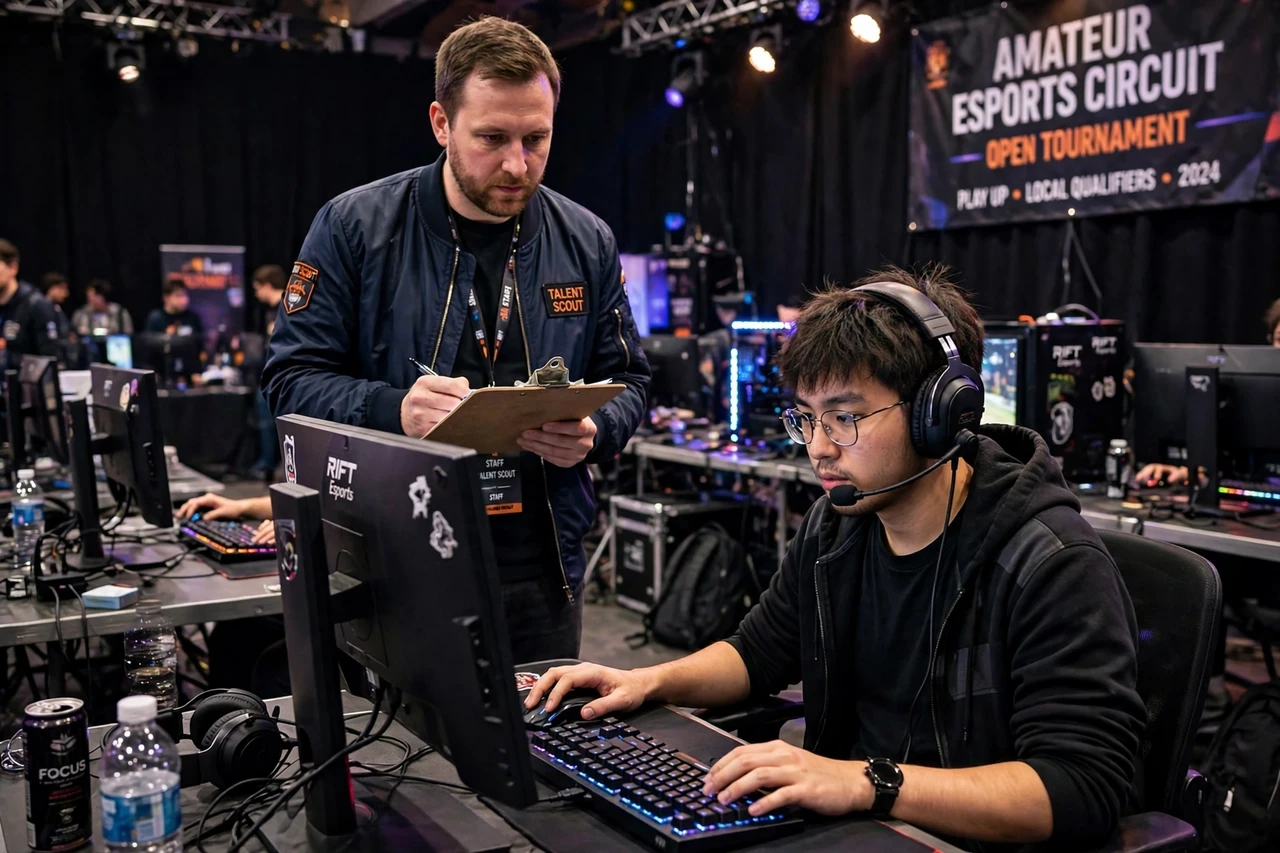
Amateur organizations need players, but their managers rarely have time to watch dozens of ranked matches. If you know a game’s ranked ladder well, offer scouting reports: short profiles on promising players, including their role, strengths, weaknesses, and recent results. Be honest and specific — a scout who hypes every player loses trust fast. This work suits players who watch a lot of competitive games anyway, and it builds relationships with teams that later hire coaches, analysts, and substitutes from people they already trust.
9. Judge Amateur Tournament Matches Online as a Remote Referee
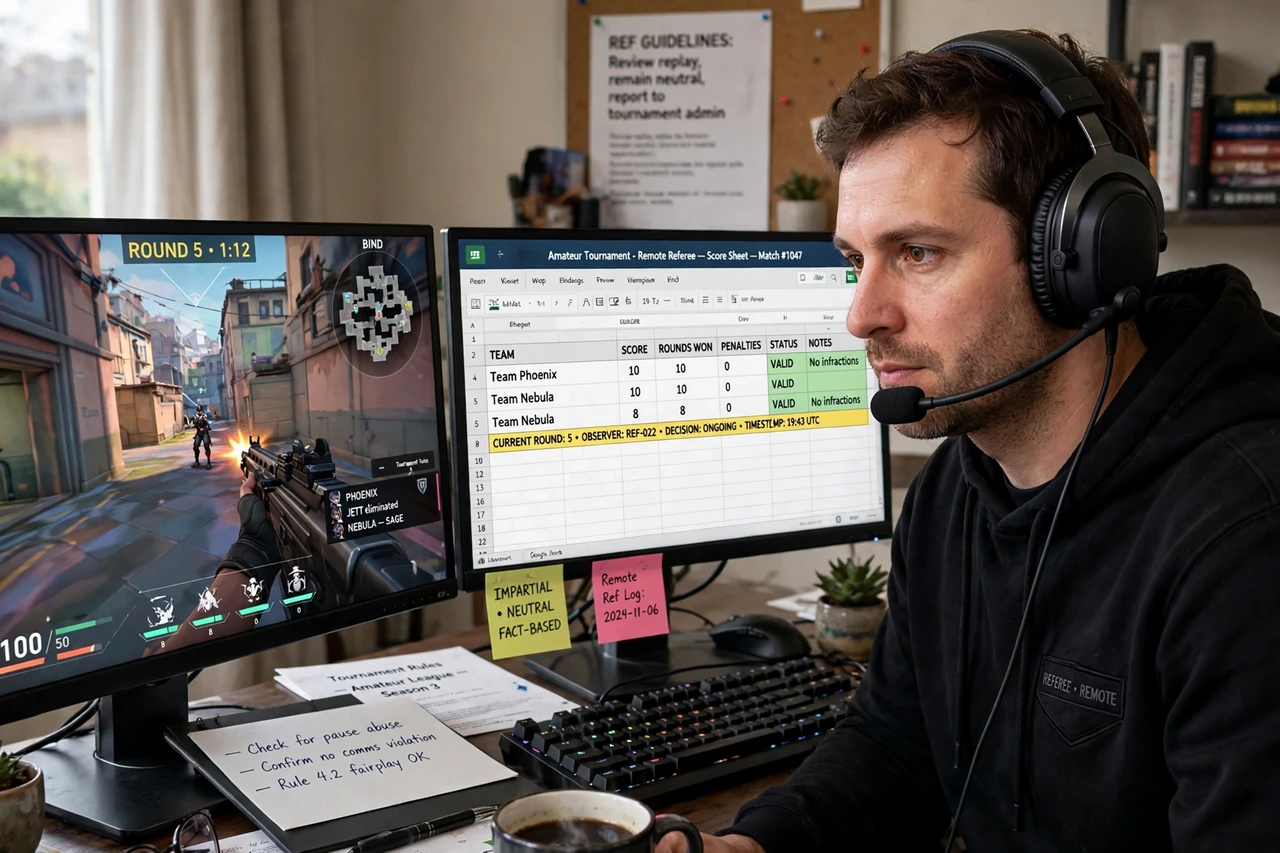
Online tournaments need referees to check results, settle disputes, and keep brackets moving on schedule. The job rewards calm, fair people who know the game’s rules and can explain a ruling without starting an argument. Tournament platforms and community leagues post referee openings regularly, and pay is usually per event or per day. You will not get rich refereeing one event, but regular weekend work adds up, and organizers remember reliable referees when bigger events need staff.
10. Analyze Pro Matches and Sell Strategy Breakdowns to Fans
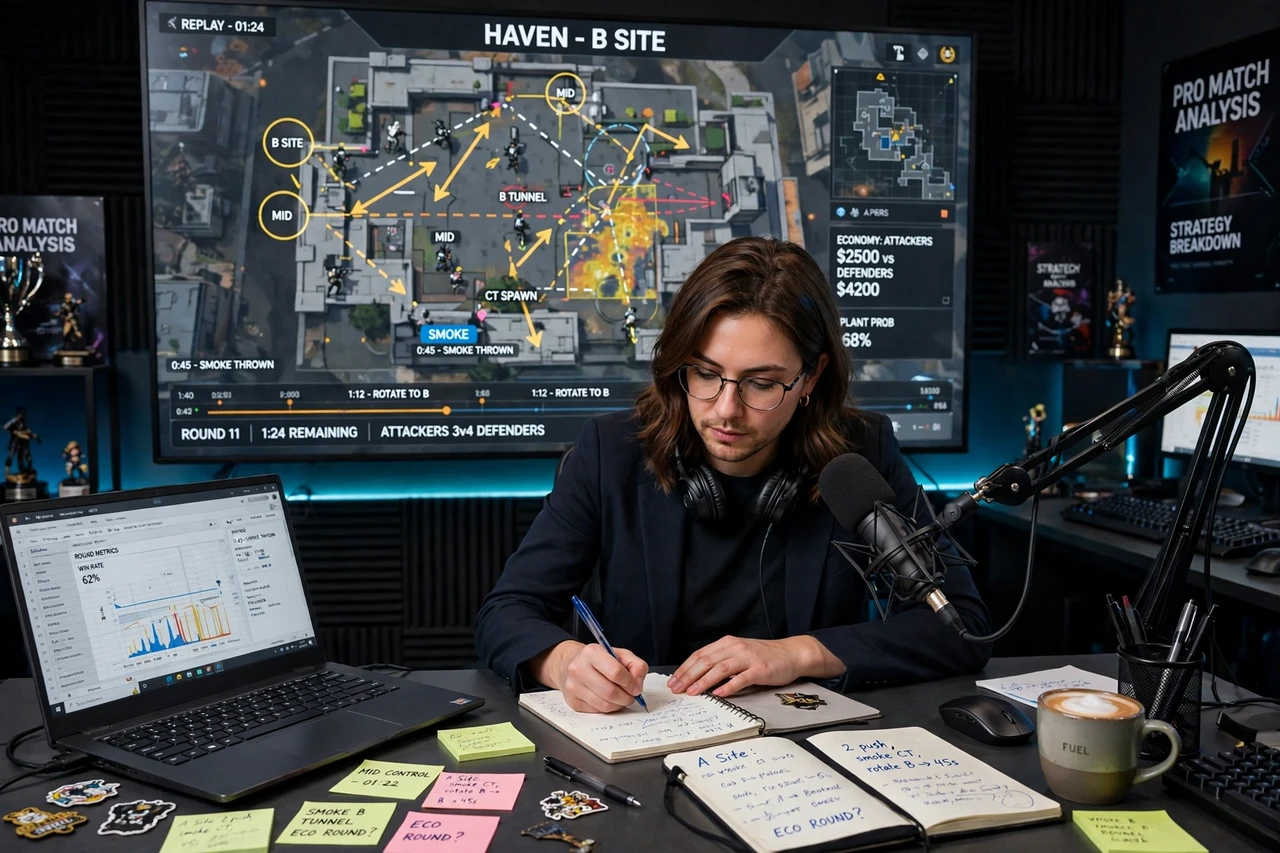
Fans love understanding why a pro team won, not just that they won. Turn your match analysis into a paid newsletter, video series, or downloadable breakdown: the key draft decision, the rotation that changed the game, the mistake the losing team kept repeating. Publish one free breakdown a week to build an audience, then offer deeper breakdowns, early access, or a private discussion group for subscribers. This path takes time to grow, but it is one of the few here that can become a real audience business rather than just hourly work.
Frequently Asked Questions
Do I need to be a pro player to coach esports?
No. Most paying clients are casual or amateur players who want to climb a few ranks, not go pro. Clear teaching, a proven rank in the game you coach, and honest testimonials matter far more than a pro career.
How much can game testing actually pay?
It varies by project: short playtests may pay a flat fee per session, while longer testing contracts pay hourly. Treat testing as steady side income, not a full-time salary, unless a studio hires you for an extended project.
Which game should I focus on?
The one you already play the most and understand best. Clients hire depth, not breadth — one game with real expertise beats five games you play casually, and your content and reputation compound faster in a single community.
How do I find my first coaching clients?
Start where players already ask for help: game Discords, Reddit communities, and your own stream or videos. Offer a few free or discounted reviews to build testimonials, then raise your price once you have proof that your coaching improves results.
Is game testing work legitimate, or mostly scams?
Real testing jobs come from studios and established testing platforms and never ask you to pay to join. Avoid any “testing job” that charges a fee, promises huge pay for playing casually, or asks you to share unreleased content publicly.