
If your idea of a good evening is a new book and a quiet room, you already have the main qualification for these jobs: you actually finish books, and you can explain what makes one worth reading. The best side hustles for book lovers pay you for taste, attention, and clear writing — not for speed-reading tricks or fake reviews. Most of them start with work you can do from home, on your own schedule, and they grow through referrals from authors, publishers, and readers who trust your judgment. Pick the one that matches how you already read, and be honest in everything you publish under your name.
If you want to turn reading and writing into freelance work more broadly, start with how to get your first freelance client and our guide to profitable micro-niches for freelance writers.
1. Create Reading Guides for Book Clubs and Classrooms

Book clubs and teachers need discussion questions, chapter summaries, and themes — and many will pay for a guide that saves them hours of preparation. Pick a popular title, read it closely, and write a guide with a short summary, ten thoughtful questions, and notes on the author’s background and key themes. Sell guides individually or as a bundle by genre, and offer custom guides for clubs reading a specific book. The work suits careful readers, and a guide you write once can sell many times. Keep your summaries in your own words and quote only brief passages, so your work is original and legally safe to sell.
2. Narrate Short Stories and Essays for Independent Authors

Authors who cannot afford a full audiobook studio still want their short stories, essays, and first chapters heard aloud. If you have a clear, pleasant reading voice and a quiet room, you can record these pieces for them. Start with short works, deliver clean audio with consistent volume, and include one round of corrections for pronunciation of names and places. A simple USB microphone and free editing software are enough to begin. Build a short demo reel with different tones — warm, serious, playful — so authors can hear whether your voice fits their story before they hire you.
3. Write Paid Reviews for New Releases and Backlist Titles
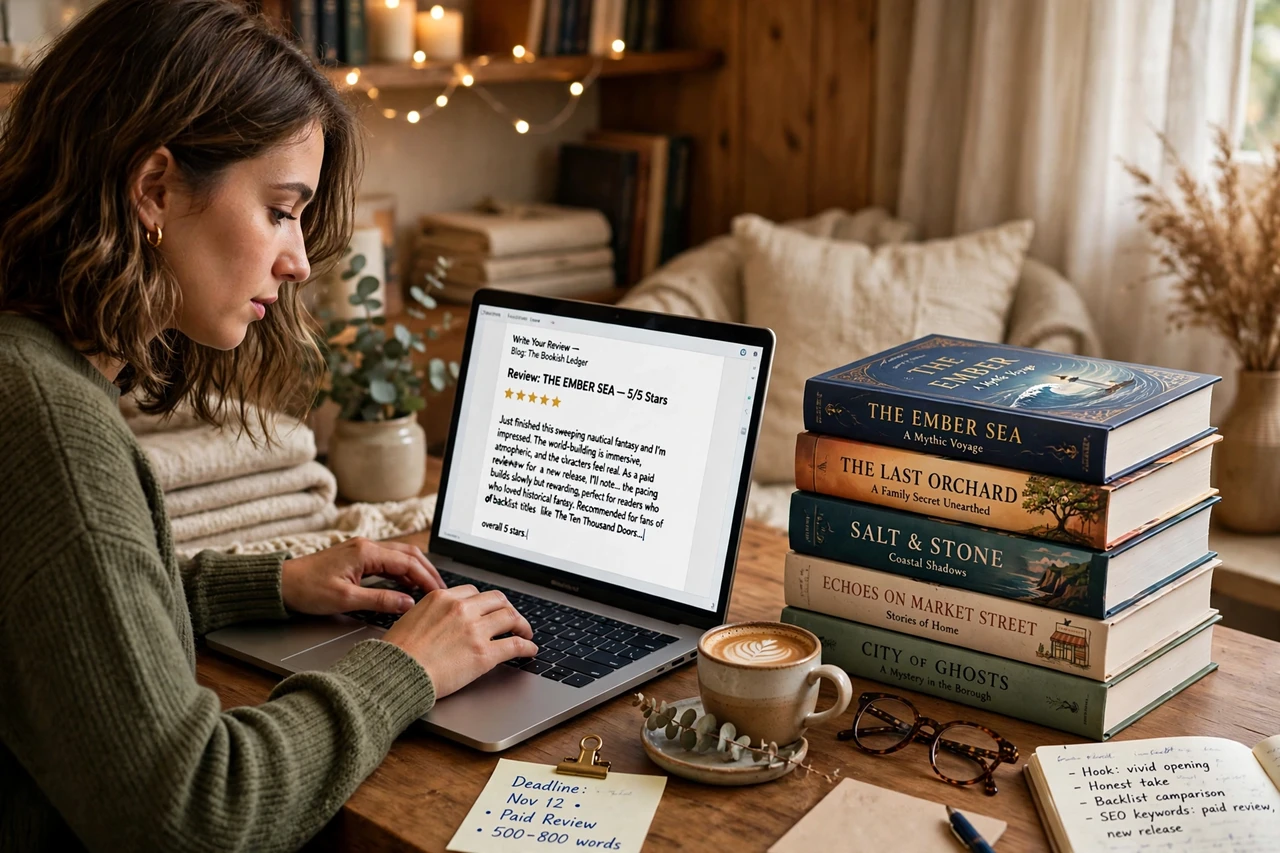
Blogs, newsletters, and small publishers pay for honest, well-written reviews, especially for books that bigger outlets ignore. The key word is honest: never accept payment to write a fake five-star review, and always disclose when a review copy was provided free. Build a small portfolio on your own blog or a review platform first, then pitch editors with two samples and a list of genres you actually read. Paid review work is rarely full-time income on its own, but it pairs well with every other idea on this list, and it keeps you reading new books for free.
4. Host Paid Virtual Reading Circles for Busy Adults

Many adults want to read more but never finish a book alone. A hosted reading circle fixes that: members pay a small monthly fee, read one book together, and meet online twice a month to discuss it. Your job is choosing books people will actually finish, keeping discussion welcoming, and sending short reading prompts between meetings. Keep groups to about twelve people, pick books under 300 pages to start, and let members vote on the next title. The income is modest per person, but a full circle pays reliably every month, and members often stay for years.
5. Summarize New Nonfiction Books for Busy Professionals

Busy professionals want the ideas from a new business, health, or self-improvement book without reading all 300 pages. Write clear, original summaries that capture the author’s main arguments, the strongest evidence, and the practical takeaways — in your own words, never copied text. Sell summaries through a newsletter or to professionals in a niche you know well, like managers, teachers, or new business owners. This work rewards readers who can separate a book’s real insight from its filler, and a good summary is genuinely useful, not a shortcut that replaces the book.
6. Write Back-Cover Copy and Blurbs for Self-Published Authors
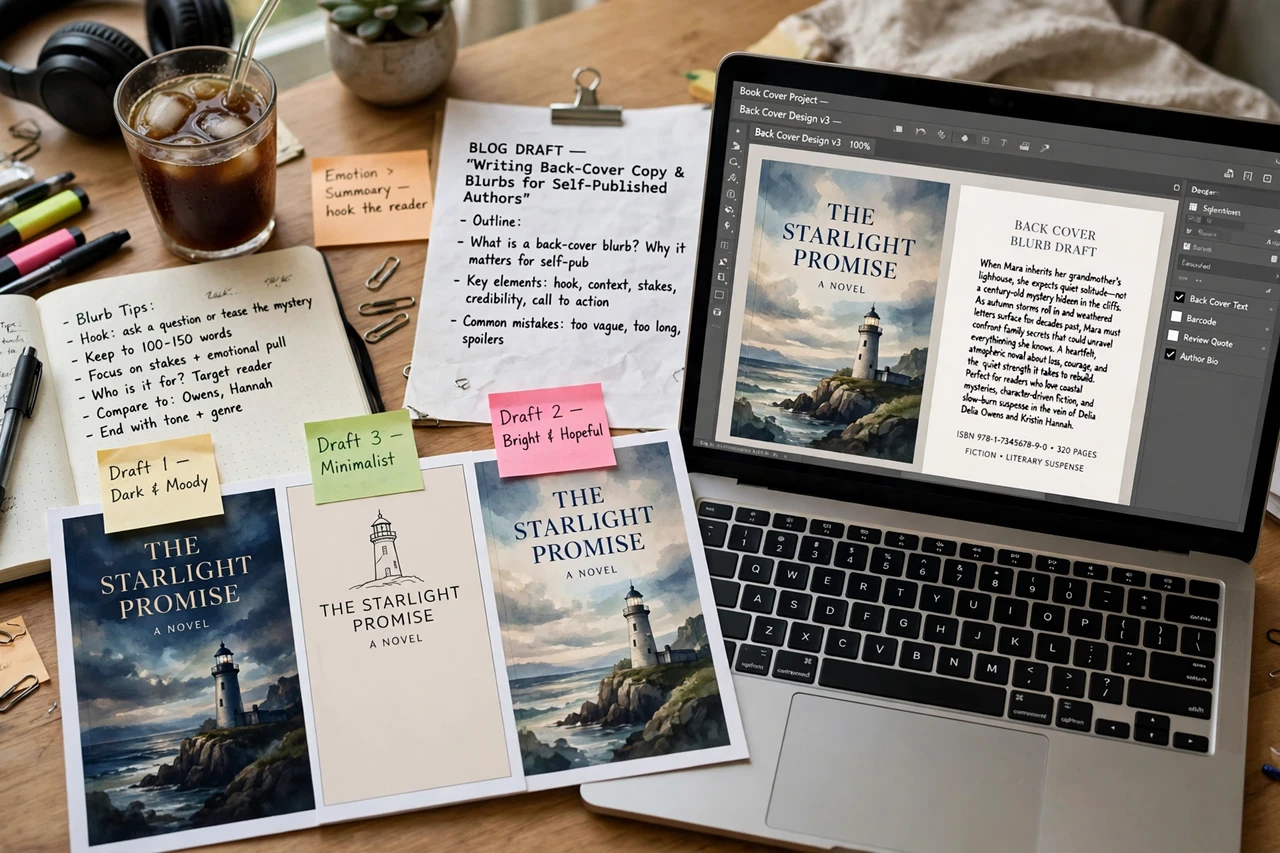
A great book with a weak blurb does not sell, and self-published authors know it. If you can read a manuscript and explain in 150 words why a stranger should care, you can write back-cover copy. Study blurbs in your genre, learn the pattern — hook, stakes, and a question that makes the reader want answers — and offer a package with two versions and one revision round. Authors often need this help urgently before launch, so clear turnaround times win clients. Pair this with writing and selling ebooks knowledge and you will understand exactly what authors need at launch.
7. Curate Personalized Reading Lists for Gift Buyers and New Readers

Some people love giving books but have no idea which one to choose. Offer a personalized list service: the buyer answers a few questions about the recipient’s taste, and you return five carefully chosen titles with a sentence each on why that book fits. Charge per list, deliver within a few days, and offer a seasonal version for holidays and birthdays. New readers benefit too — a “where to start” list for someone who wants to read more but feels overwhelmed is a genuinely kind product. Your value is taste and knowledge, so only recommend books you have actually read or researched properly.
8. Design Reading Challenges and Trackers for Libraries and Schools
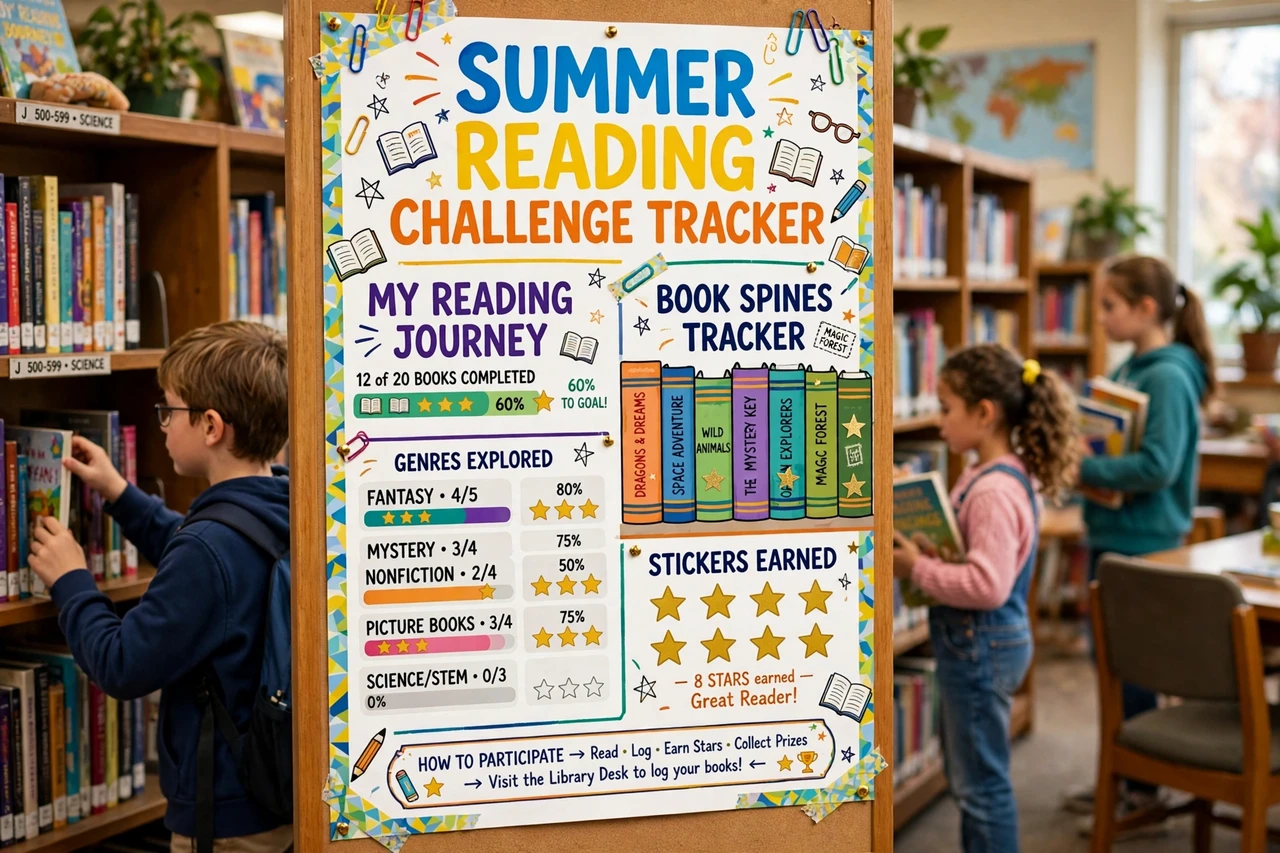
Libraries, schools, and reading programs run challenges all year — summer reading, genre bingo, read-a-thons — and they need fresh, attractive materials. Design printable challenge sheets, reading trackers, and bingo cards around themes like mysteries, books from around the world, or books made into films. Sell them as digital downloads, and offer a custom version with a library or school’s name and dates. This is creative work that suits readers who also enjoy design, and each product can sell repeatedly. Test your challenges yourself first: a challenge nobody finishes is a product nobody reorders.
9. Manage Social Media for Independent Bookstores

Independent bookstores need regular social media posts — new arrivals, staff picks, event announcements — but owners rarely have time to create them. If you read widely and know how to write a short, appealing post, offer a monthly package: a set number of posts, event graphics using the store’s photos, and replies to comments. Visit the store if you can, read the books you recommend, and keep the store’s voice warm and local rather than generic. One store on a monthly retainer is steadier income than dozens of one-off gigs, and bookstores talk to each other, so good work travels fast in this world.
Frequently Asked Questions
Can I really earn money just by reading books?
Yes, but you earn for what you produce from reading — guides, reviews, narration, summaries, or recommendations — not for reading alone. Clients pay for your judgment and your finished work, so treat each job like a deliverable with a deadline.
Do I need a degree in English or literature?
No. Clients care about samples of your work and your reliability. A small portfolio of two or three strong guides, reviews, or narrations will win more work than a degree listed on a profile with no samples.
How do I avoid fake-review problems?
Only review books you actually read, write your honest opinion, and disclose free review copies. Never accept payment for a guaranteed star rating — it damages your reputation and can get your accounts removed from review platforms.
Which book side hustle pays best for beginners?
Bookstore social media and reading guides tend to pay most reliably, because they are recurring or resellable. Reviews and narration start smaller but grow as your portfolio and client list grow.
Can I combine several of these ideas?
Absolutely — that is the smartest approach. A reading-circle host who also writes guides and reviews for the same books is doing one reading job three times over, which is efficient and builds a recognizable name in one niche.