Moving to a new country is hard enough without also hunting for work in an unfamiliar job market. The good news is that your background is an asset, not a blank page: your languages, your education, and your experience of starting over are exactly what many US employers need. These remote jobs for immigrants in USA are roles where newcomers genuinely have an edge — because you speak another language, understand another culture, or can help other newcomers navigate systems you just learned yourself. Before you apply anywhere, confirm your work authorization and keep copies of your documents ready; legitimate employers will ask, and legitimate employers will never ask you to pay for a job.
For general advice on getting started, see remote jobs you can start earning from today and remote jobs for career changers, which cover applications, resumes, and interviews for people switching fields.
1. Answer Customer Questions in Your First Language for US Brands

US brands serve customers who speak Spanish, Mandarin, Arabic, Hindi, Portuguese, and dozens of other languages — and they need support agents who truly understand those customers, not just translate words. In this role you answer chats, emails, or calls in your first language, helping customers with orders, accounts, and everyday problems. Employers usually require fluent English plus your other language, a quiet workspace, and a headset. Highlight your language skills and any customer-facing experience at the top of your resume, and mention the regions and dialects you know, since that detail often decides who gets hired.
2. Interpret Over-the-Phone Calls for Clinics and Schools

Hospitals, clinics, and schools use remote interpreters every day so patients and parents can understand medical instructions and school information. You join calls as a neutral, accurate interpreter — you repeat what each side says completely and confidentially, without adding advice of your own. Many language-service companies hire remote interpreters and provide training, and some roles require a short certification course. This work suits people with strong skills in both languages and a calm manner on difficult calls. It also teaches you US systems — healthcare, schools, benefits — that help your own family too.
3. Translate Forms and Notices for Immigrant-Serving Nonprofits

Nonprofits, legal-aid groups, and community organizations constantly need accurate translations of forms, flyers, and notices for the communities they serve. Unlike interpreting, translation is written work you can do on your own schedule, which suits parents and people studying for US credentials. Start with organizations serving your own language community, build a small portfolio of sample translations, and be precise about deadlines — a translated school notice that arrives late helps nobody. Certified translations for legal or government use may require extra qualifications, so ask each client what level of certification they need before you accept.
4. Teach Your Native Language Online to American Learners

American learners pay to study with native speakers, and you do not need a US teaching degree to start on most tutoring platforms. Offer conversation practice, pronunciation help, or structured lessons for beginners, and set your schedule around your family and other work. A short intro video in the language you teach, plus a clear description of who your lessons suit, will bring your first students. Many tutors start with a few hours a week and grow to a full schedule as reviews accumulate. If you later want school or college teaching work, ask your platform or local adult-education programs about the credentials that path requires.
5. Coach International Job Seekers on US Applications From Home

You have just done something other newcomers are struggling with: you figured out US resumes, job postings, and interviews. Turn that fresh experience into a service — help international job seekers rewrite resumes in US format, prepare for common interview questions, and understand what US employers actually mean by phrases like “self-starter” or “team player.” Be honest about your limits: you are a coach, not a lawyer, so do not give immigration or legal advice. Price per session or per resume package, and use your own job-search story (with permission details removed) to show clients you understand their situation firsthand.
6. Keep Books Remotely for Small Immigrant-Owned Shops

Immigrant-owned restaurants, shops, and service businesses often need a bookkeeper who understands their language and their business — and that person can work entirely remotely. If you have accounting or bookkeeping experience from your home country, learn one US system such as QuickBooks, study basic US tax categories, and offer a monthly package: record transactions, reconcile accounts, and send a simple monthly summary. Owners trust a bookkeeper who speaks their language and explains numbers plainly. Start with one or two small clients, do the work flawlessly, and let referrals build the rest.
7. Plan Trips for Visitors Traveling From Your Home Country

Families visiting the US from your home country want a planner who understands their language, food preferences, and travel worries — and that planner can be you, working remotely. Help visitors plan itineraries, book hotels and transport, and understand practical details like tipping, visas, and US driving rules. You can work through a travel agency, a freelance platform, or your own small client base built through community groups. Knowledge of your home country’s travel seasons, holidays, and common concerns is a genuine advantage here that a US-born planner cannot easily copy.
8. Assist Multilingual Small Businesses With Remote Admin Tasks
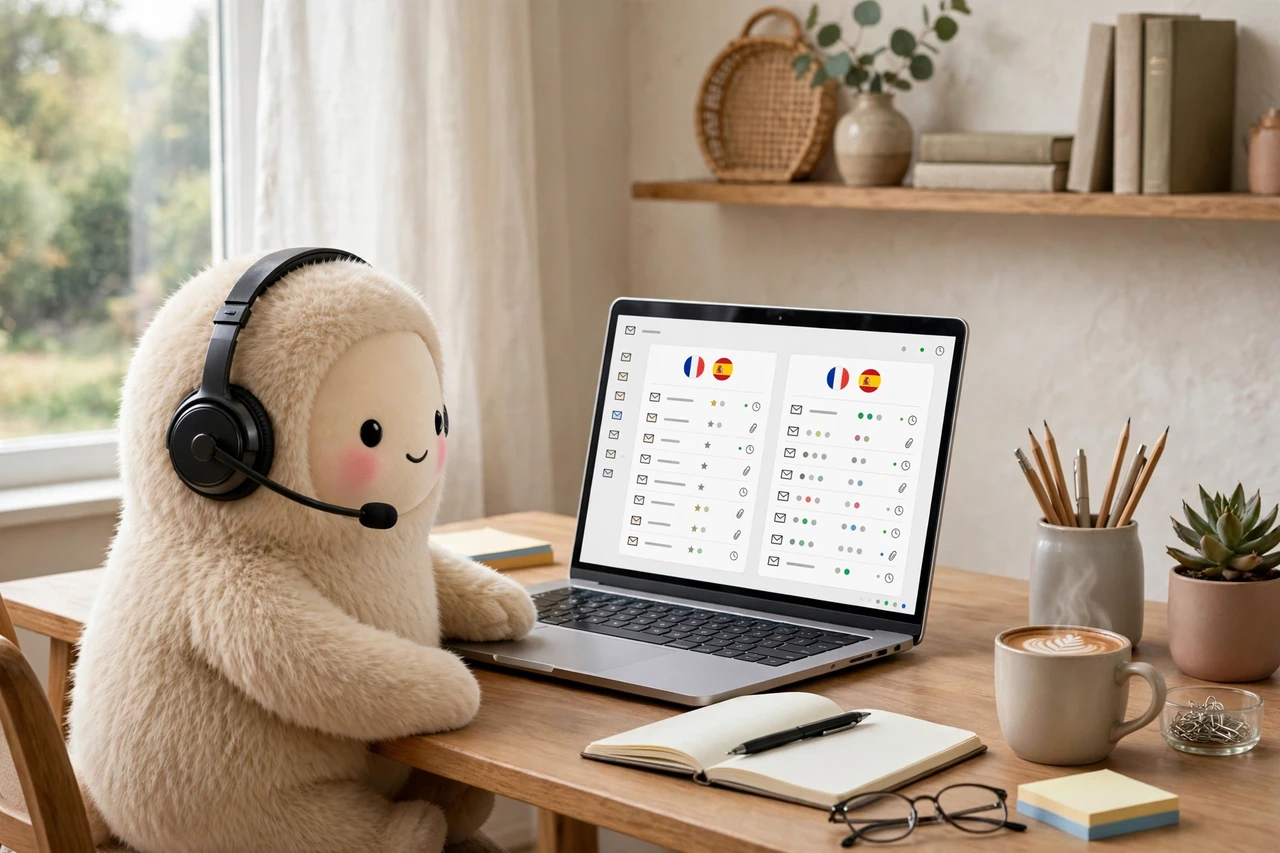
Many small businesses run by multilingual owners need a virtual assistant who can switch languages all day: answering messages, managing calendars, ordering supplies, and handling customer emails in two languages. This role suits organized people with good written skills in both languages. When you apply, give concrete examples — “managed a shop’s inbox in Spanish and English” beats “good communication skills” every time. Start part-time with one business, learn their systems thoroughly, and you may find the role grows into a long-term, trusted position.
9. Moderate Online Groups in Your First Language

Brands, media companies, and community platforms run groups and forums in many languages, and they hire moderators who understand the language and the culture of each community — what is a joke, what is offensive, and what needs a warning. Moderation is usually shift-based remote work: you review posts, enforce clear rules fairly, and escalate serious problems. It suits people who are online anyway and who stay calm under pressure. When you apply, mention the specific communities and platforms you know well, since cultural knowledge is the skill employers are actually buying.
10. Transcribe Multilingual Interviews for University Research Teams

Universities study immigrant communities, bilingual education, and international topics — and their researchers record interviews in many languages that need careful transcription. If you can listen accurately in two languages and type precisely, research teams will value you. The work is project-based and remote: you receive audio files, transcribe them following the team’s format, and return them by deadline. Confidentiality matters enormously here, since interviews may contain personal stories, so never share files or discuss content outside the project. University job boards and research-assistant postings are the best places to find this work.
11. Help Newcomer Families Complete School Enrollment Online

School enrollment in the US confuses even US-born parents — forms, vaccination records, proof of address, language assessments — and newcomer families face all of it in a second language. Schools, nonprofits, and family-support programs hire remote helpers to guide families through enrollment by phone and video call, in the family’s own language. You explain each step, check documents, and follow up until enrollment is complete. This is patient, meaningful work, and your own recent experience of the system makes you credible in a way no training manual can. It also connects you with schools and nonprofits that hire for other roles later.
Frequently Asked Questions
Can new immigrants legally work remote jobs in the USA?
Yes, if you have work authorization — for example, a work permit, a green card, or a visa that allows employment. Check your own status carefully, and never pay anyone who promises to “arrange” work authorization for a fee. If you are unsure, a local legal-aid nonprofit can explain your options for free or at low cost.
Do I need a US degree for these jobs?
Most roles on this list value language skills and proven ability over a US degree. Some, like certified translation or school roles, may require extra qualifications later, but you can start with platform, agency, or nonprofit work while you explore credential recognition for your existing qualifications.
How do I prove my language skills to employers?
Use a short recorded intro, a language test score if you have one, and concrete examples of past language work. Employers trust demonstrated skill — a sample translation, a tutoring profile with reviews, or a support role in that language — more than a self-rated “fluent” on a resume.
What should I watch out for in remote job postings?
Avoid any job that asks you to pay for training, equipment, or “processing,” that interviews only by chat with no video call, or that offers pay far above normal for the role. Real employers explain the job, the pay, and the schedule clearly before you start.
How fast can I realistically start?
Language tutoring, support, and admin roles can start within a few weeks once your documents and workspace are ready. Certified or school-based roles take longer. Apply to several roles at once, keep your resume updated, and treat every application as practice for the next one.