If you play, sing, or produce music, the gaps between gigs do not have to be gaps in your income. The best side hustles for musicians use skills you already own — your ear, your technique, your gear, and your network — so you can start without buying expensive equipment or learning a whole new trade. The ideas below are flexible around rehearsals and tour dates, and most of them can be done from home or in your local area. Pick one or two, set clear rates, and treat them like real bookings: confirm the details in writing, show up prepared, and deliver on time.
For a broader starting point, see our guide to the best online side hustles for beginners, and check legit side hustles that actually pay for more ways to vet any new income idea before you commit to it.
1. Run Paid Lesson Slots Around Your Gig Calendar
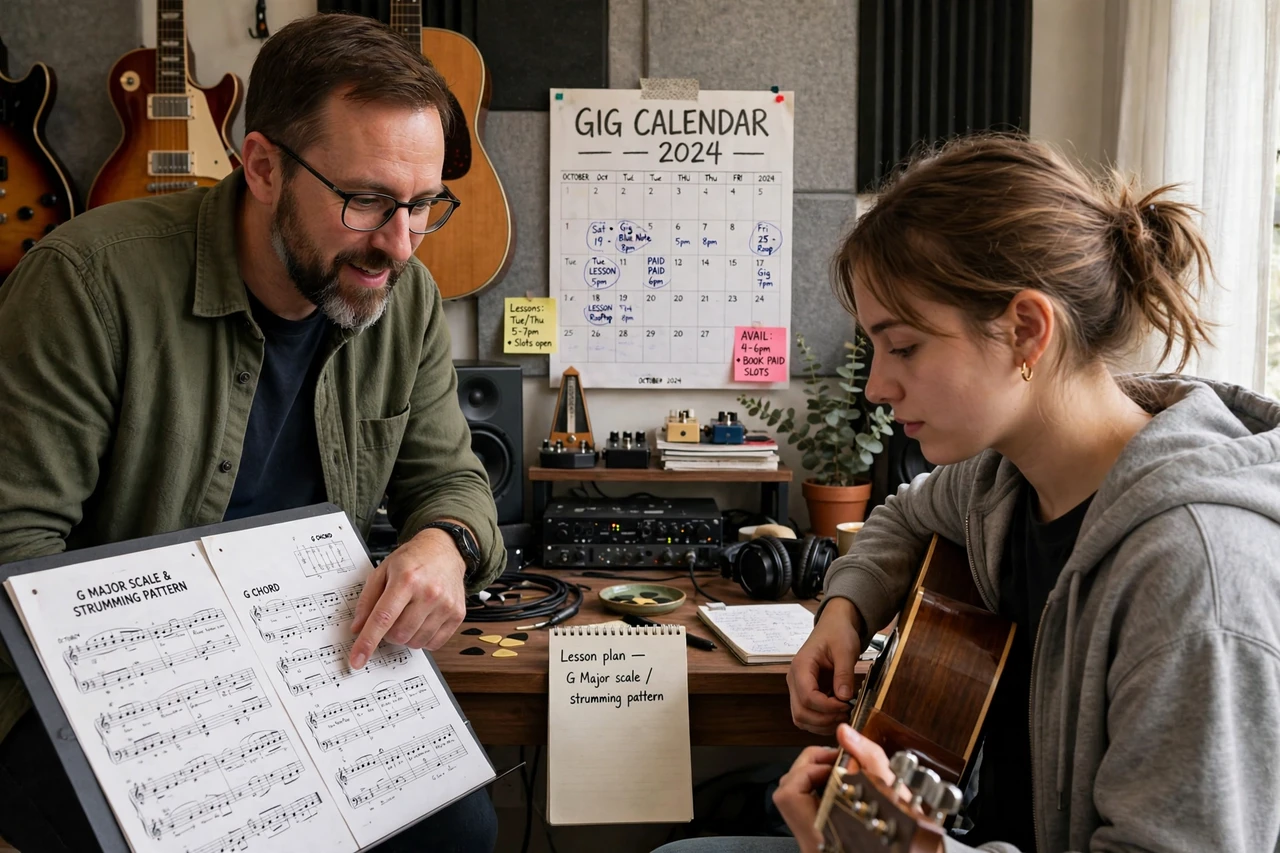
Teaching is the steadiest income most working musicians have, because students pay weekly whether or not you have a show. Offer 30- or 60-minute lessons online or in person, and block out fixed teaching days that never clash with rehearsals. Start with beginners on your own instrument, since they are the easiest students to help and the most consistent. Charge by the month rather than per lesson, set a clear cancellation policy, and keep a short waiting list so an empty slot fills fast. A simple intro video of you playing goes further than a long resume when parents and adult learners are choosing a teacher.
2. Play Background Sets at Restaurants, Cafés, and Wineries
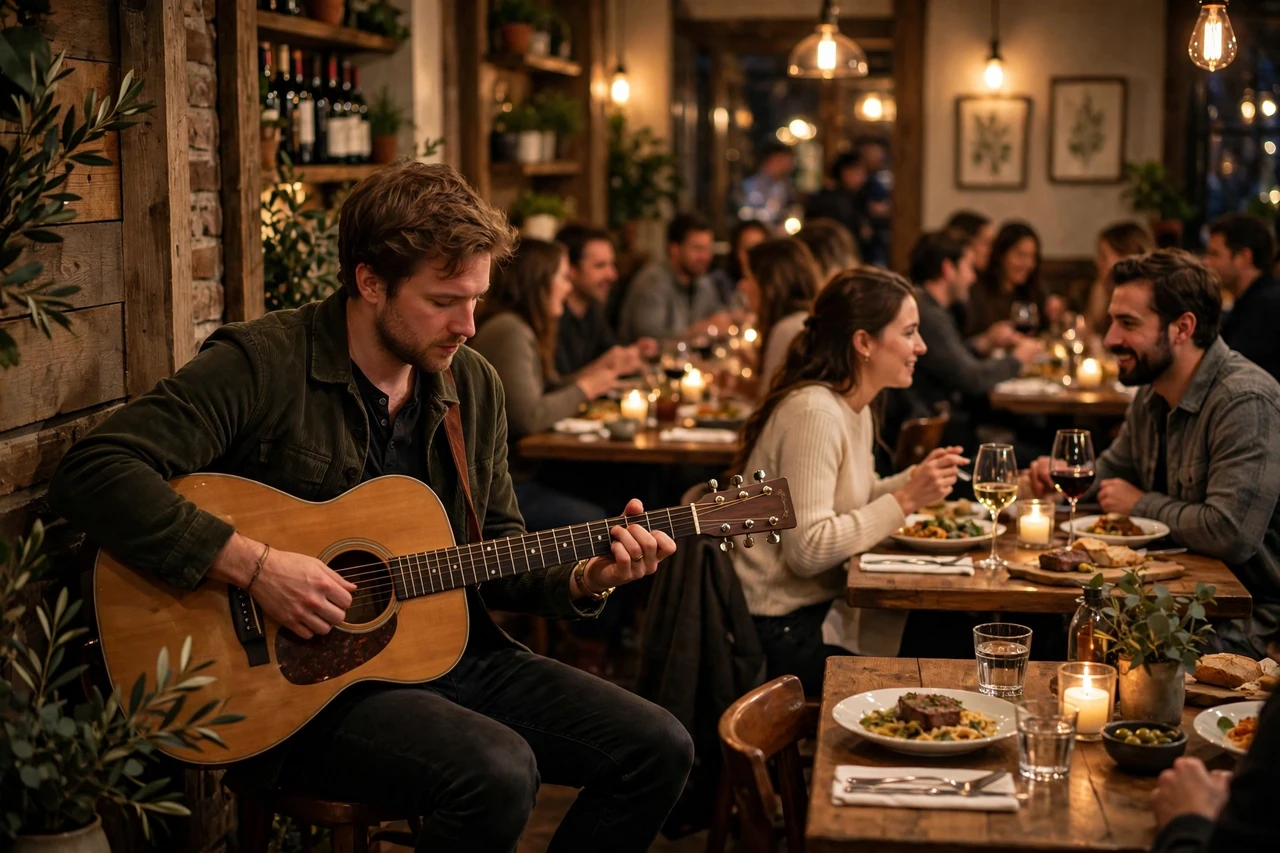
Venues that want live atmosphere but not a loud concert are a perfect fit for soloists and small duos. Put together a two-hour set of familiar songs that works at conversation volume, and approach managers with a short demo and a flat rate for the evening. These gigs usually run on weeknights and weekend afternoons, which rarely conflict with bigger shows. Dress for the room, keep your setup compact, and be easy to work with — venues rebook musicians who draw a crowd without making extra work for staff. Over time, two or three regular rooms can cover your rent between tours.
3. Write Commissioned Songs for Weddings and Milestones
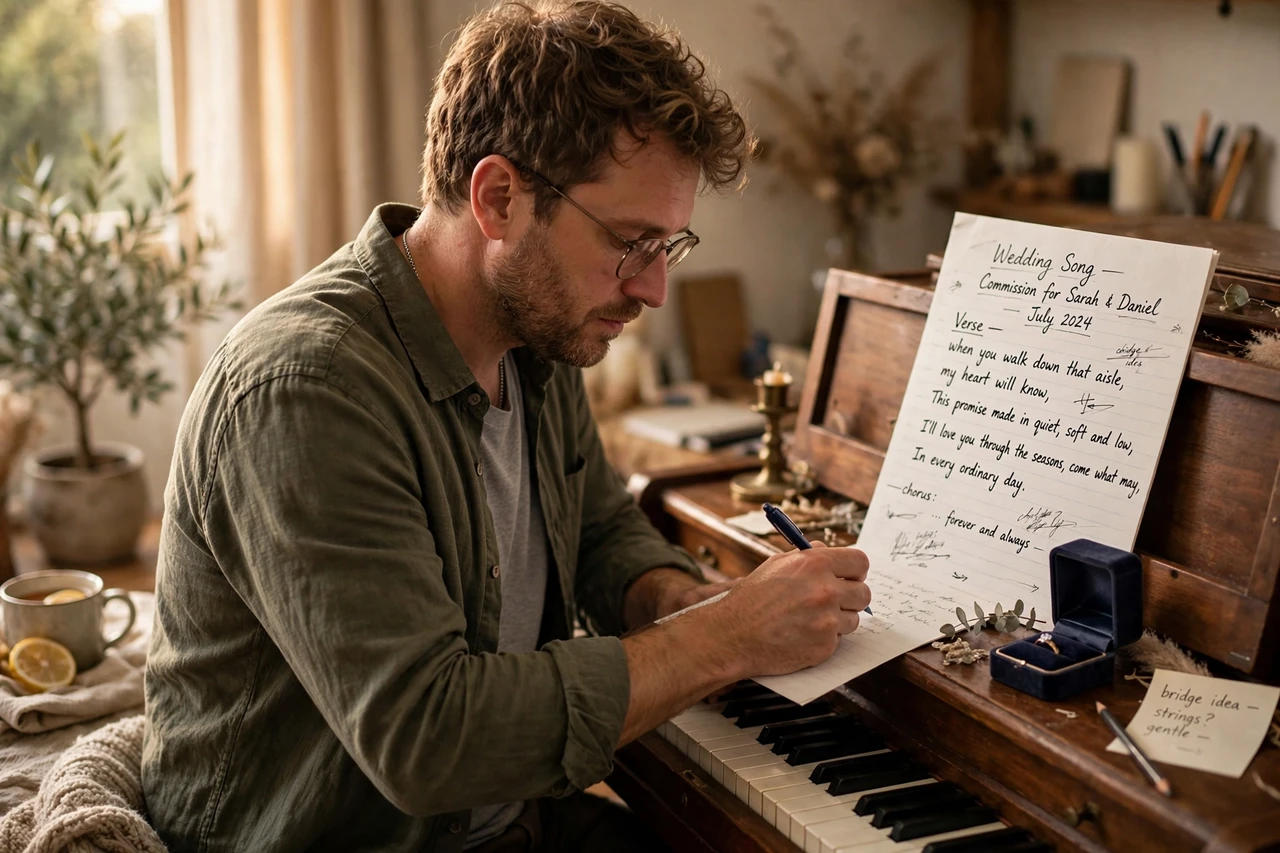
Couples, parents, and friends will pay for a song that is truly theirs: a first-dance rewrite, a birthday tribute, or a track for a proposal video. Agree on the story details, the deadline, and how many revisions are included before you start writing. Record a clean demo on your phone first so the client can approve the melody and lyrics, then deliver a polished final version. Price this work by the song, not by the hour, and keep the rights terms simple in writing. One happy client often leads to referrals at the next wedding, anniversary, or graduation in their circle.
4. Record Remote Session Parts for Other Artists’ Tracks
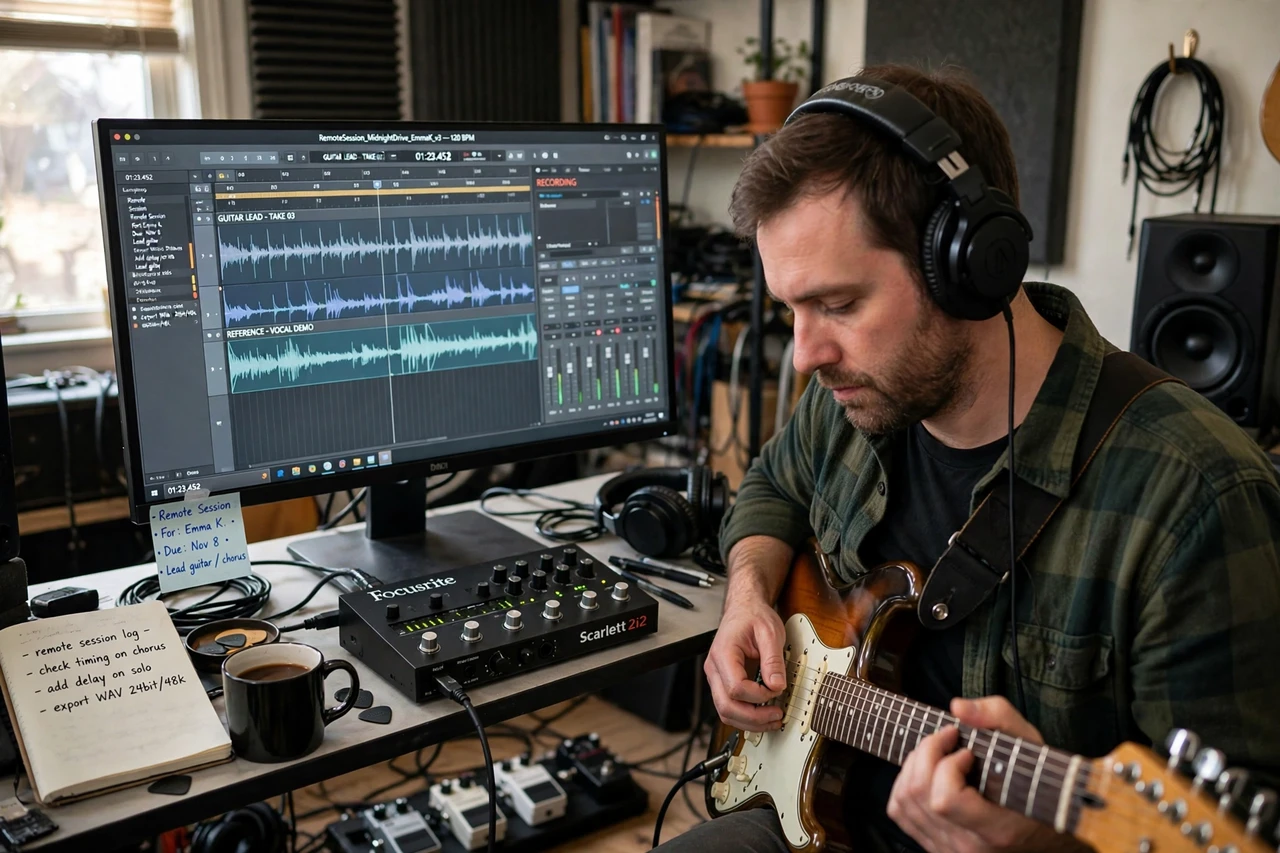
You do not need a studio to be a session musician anymore. Artists and producers hire remote players to add guitar, keys, horns, strings, or vocals to tracks they are building at home. Set up a quiet recording space, learn to deliver clean, labeled files on time, and build a short reel showing different styles you can play. Many of these jobs come through freelance niches you can start with just a phone and a decent microphone, so your first clients may find you through a profile rather than an audition. Quote per track, state how many takes are included, and always keep a backup of every session file.
5. Busk in High-Traffic Spots Between Booked Gigs

Busking is the oldest musician side hustle for a reason: it pays the same day, builds your audience, and sharpens your live set. Check your city’s permit rules first, then pick spots with steady foot traffic — farmers markets, transit plazas, and busy shopping streets. Play your strongest, most recognizable material, put out a clear tip jar and a sign with your booking link, and keep sets to about an hour so your voice and hands stay fresh. Treat it like a show, not a rehearsal: arrive on time, look the part, and thank people by name when they stop to listen.
6. Lead Hands-On Music Workshops for Beginners in Your Town
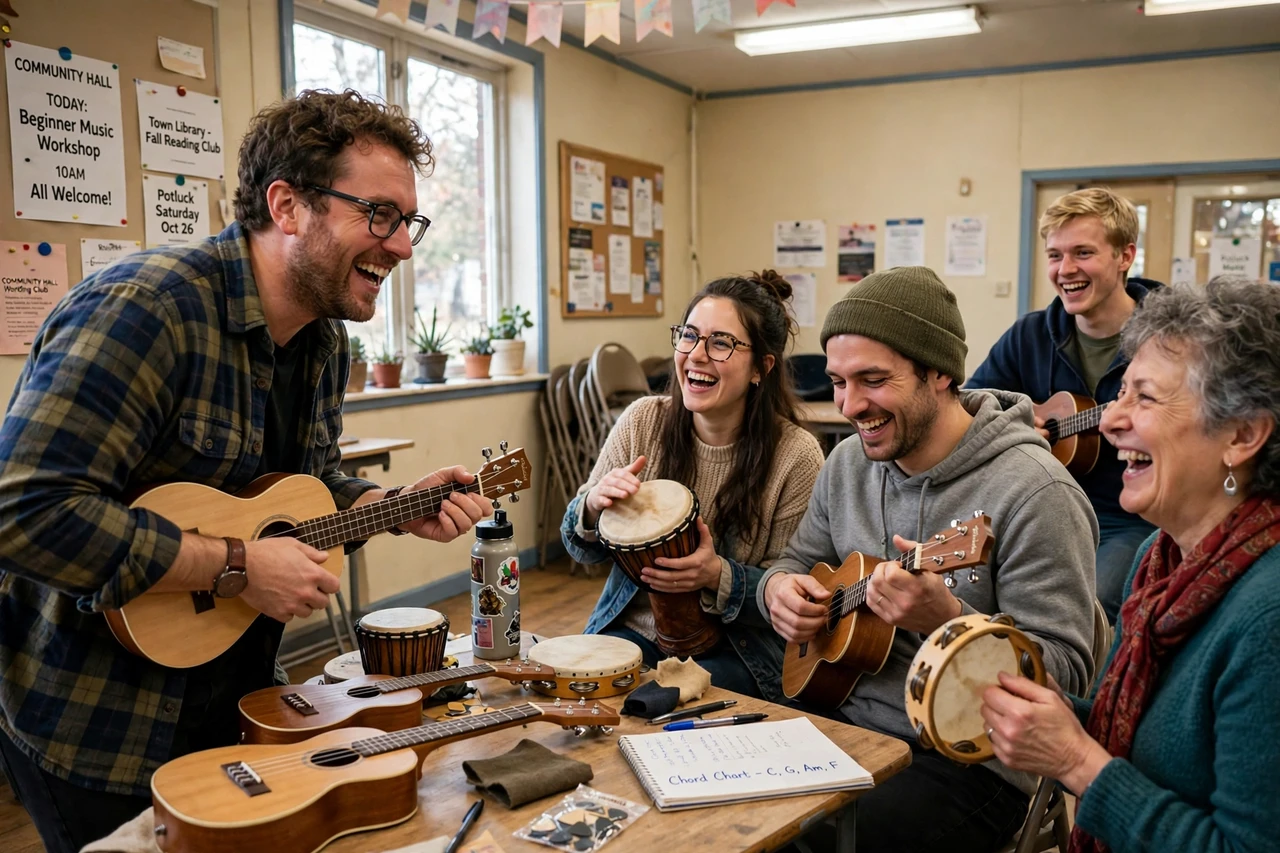
One-off workshops pay better per hour than weekly lessons and fit neatly between gigs. Offer a two-hour session — “Guitar Basics in One Evening” or “Sing With Confidence” — through a community center, library, or music shop. Keep the group small, bring spare instruments if you can, and give everyone something to take home, like a chord sheet or a practice plan. Charge per seat, cap enrollment, and collect emails at the end so your next workshop fills from the last one. Libraries and community centers often promote these events for free, which keeps your costs close to zero.
7. Offer Your Original Songs for Creator Videos Under License
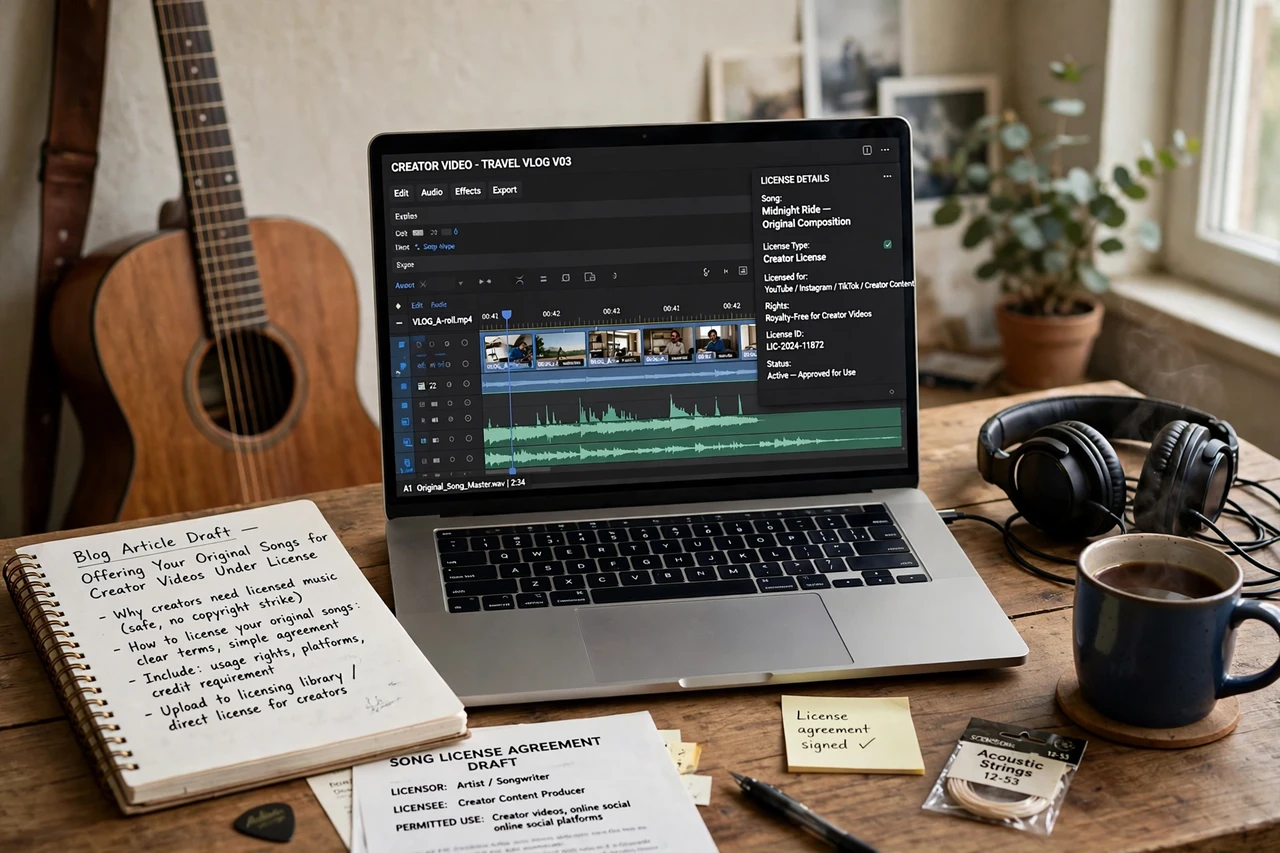
YouTubers, podcasters, and small brands constantly need music they can legally use, and they prefer tracks that do not sound like everyone else’s stock library. Offer your original songs and instrumentals for licensing, with clear terms for where the music can be used and for how long. Upload to licensing platforms, but also pitch directly to creators whose videos match your style — a personal message with one perfect track beats a bulk link every time. Keep your stems organized, register your songs where applicable, and price longer or commercial uses higher than a single personal video.
8. Tune and Repair Instruments for Local Players and Schools
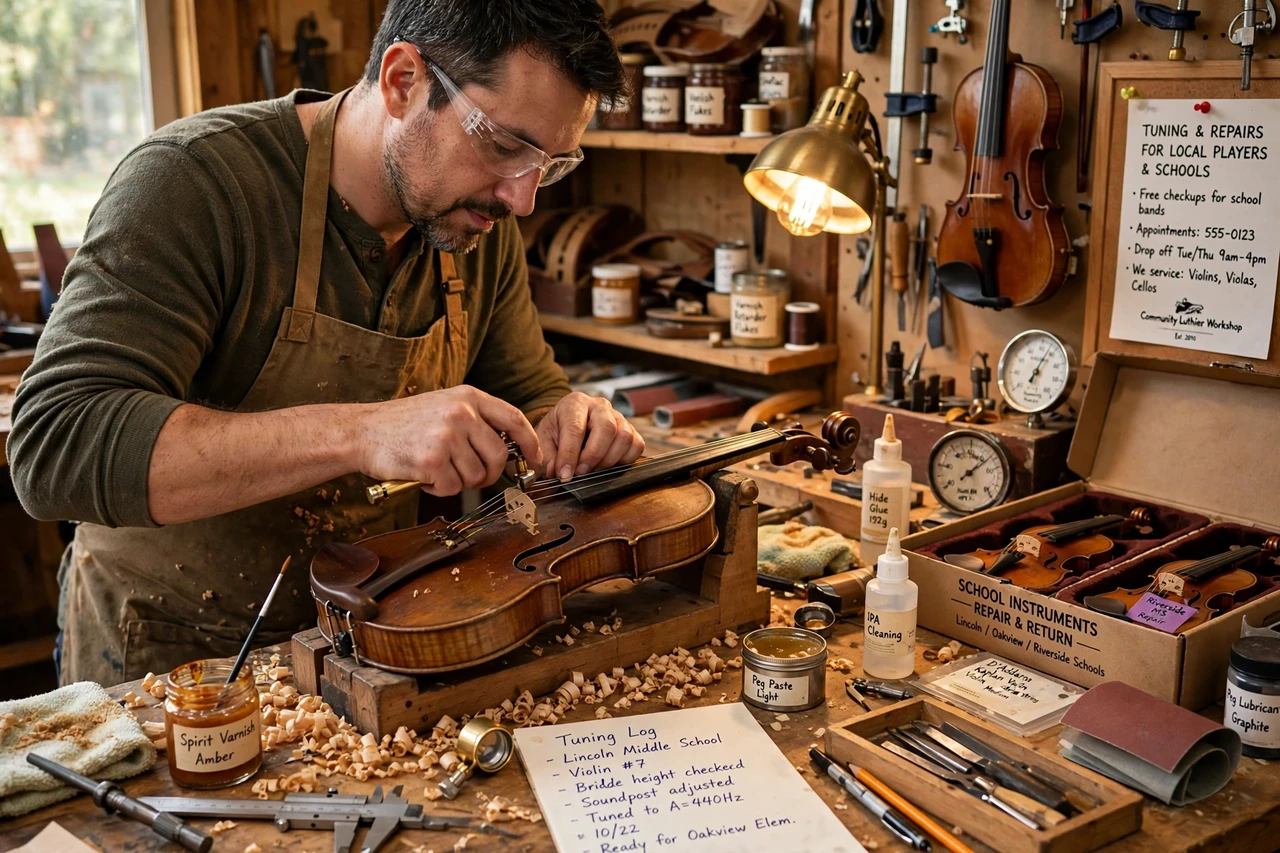
If you can set up a guitar, restring a violin, or tune a piano, local players will happily pay you instead of shipping their instrument away. Start with basic services — cleanings, string changes, action adjustments, and tuning — and be honest about repairs that need a specialist. Schools, churches, and community bands are steady clients because they maintain many instruments at once. Keep a simple price list, photograph each instrument when it arrives, and return it cleaner than you found it. This work is quiet, skilled, and almost entirely word-of-mouth, which suits a musician’s schedule perfectly.
9. Perform at Product Launches and Company Parties

Companies pay well for live music at launches, holiday parties, and team celebrations, and they usually book weeks ahead, so you can plan around them. Build a short corporate-friendly set list, learn a few requests in advance, and quote a flat fee that includes setup, sound check, and the performance itself. Confirm the practical details in writing: load-in time, power, space, and whether the event is indoors or outdoors. Business clients value reliability above all — arrive early, dress smart, and keep the volume at the level the organizer asked for, and you will get invited back every year.
10. Sell Practice Backing Tracks and Play-Along Packs Online
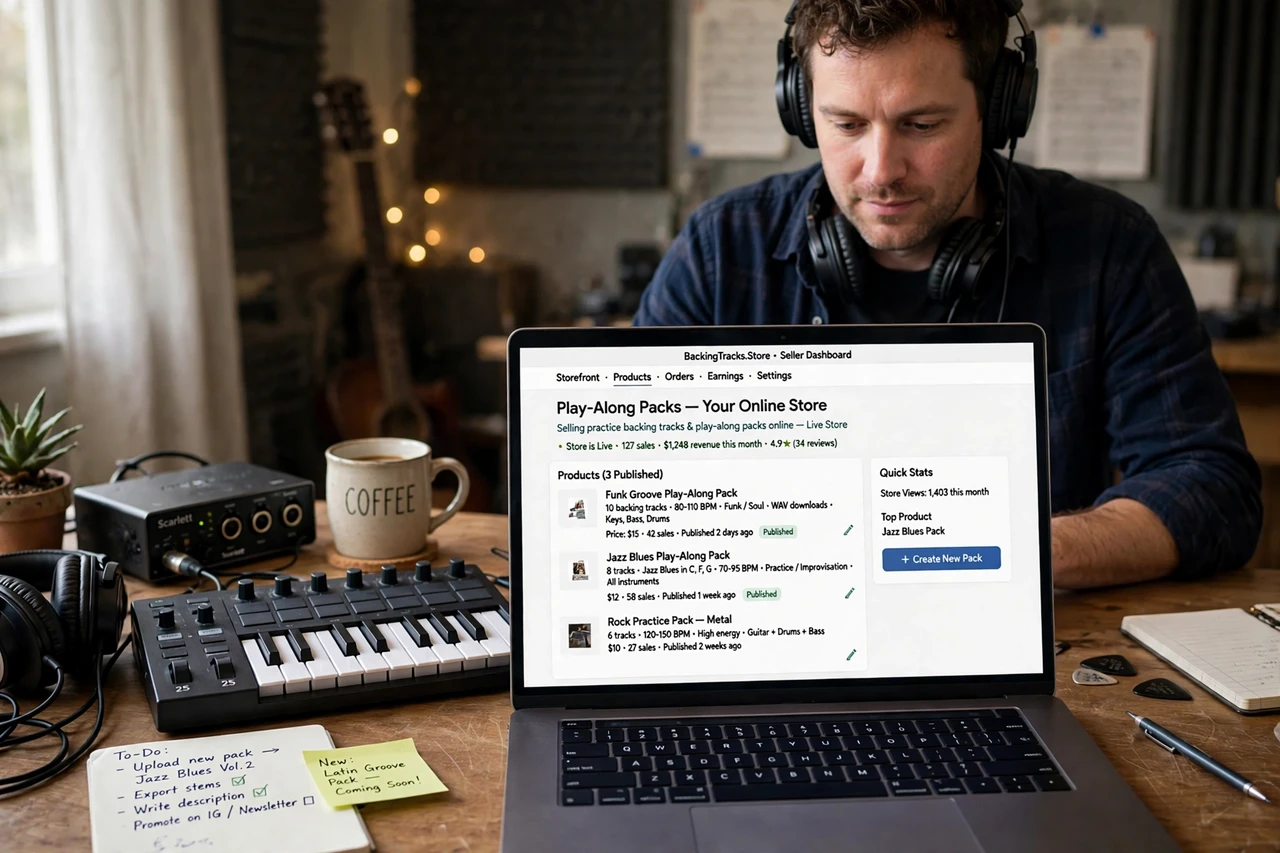
Turn your practice material into a product you can sell while you sleep. Record backing tracks in popular keys and tempos, bundle them with a chord chart or practice guide, and sell the pack on your own site or a music marketplace. Beginners want slow, clear tracks; more advanced players want realistic grooves and chord changes to improvise over. Make a free sample pack first to build an email list, then release paid packs for specific instruments or styles. Each pack takes real work up front, but it keeps earning long after the recording session ends, which is exactly what a gigging musician needs.
Frequently Asked Questions
What is the fastest side hustle for musicians to start?
Paid lessons and busking are usually fastest, because they need no new platform approval — you can advertise lessons to your existing audience today and busk this weekend where permits allow. Session work and licensing take longer to build but pay better over time.
Do I need expensive gear to earn between gigs?
No. Most ideas here use the instrument and gear you already own. For remote session work, a quiet room, a decent interface, and clean recording habits matter more than a high-end studio.
How should musicians price side hustle work?
Price by the job or by the month, not by the hour, and write down what is included — revisions, travel, setup time, and cancellation terms. Compare rates with local musicians, then raise your prices once you have steady demand.
Can I do these side hustles while touring?
Yes, if you choose the portable ones: remote session parts, licensing, and digital backing-track packs travel with you. Lessons, workshops, and venue sets work best when you are home for a stretch, so schedule them around tour blocks.
How do I find my first paying clients?
Start with people who already know your playing: past students, venue managers, wedding vendors, and local creators. A short demo video, a clear price list, and one satisfied client who refers you are worth more than ads when you are starting out.