
A growing number of remote employers — mostly crypto companies, startups, and freelance platforms — pay their workers in digital currency instead of dollars. These remote jobs that pay in cryptocurrency usually pay in Bitcoin, Ethereum, or a stablecoin tied to the US dollar, and the payment lands in a crypto wallet rather than a bank account. The work itself is ordinary remote work: writing, design, support, coding, and admin. What is different is the payment, and that brings real risks — crypto prices move fast, and a payment worth $500 today can be worth much less next week. Here are eight legitimate remote roles where crypto pay is a real option, and how to handle it safely.
1. Freelance Writing Gigs That Pay in Bitcoin

Crypto blogs, exchanges, and newsletters hire freelance writers and often pay in Bitcoin, because their whole business runs on crypto. You write guides, news summaries, or product explainers, usually in plain English for beginners, and you get paid per article or per word. Some clients pay a fixed amount of Bitcoin per piece, others pay a dollar amount converted to Bitcoin on payday — the second option is safer, because the amount you earn does not change with the price. A small portfolio of sample articles is worth more than a long CV when you pitch these clients.
Tip: ask whether your rate is fixed in dollars or fixed in Bitcoin before you start — a dollar-fixed rate protects you when the price drops, and the client still pays you in crypto.
2. Design Jobs That Pay in Stablecoins

Crypto startups need logos, social graphics, and app screens, and many pay their designers in stablecoins — digital coins designed to stay close to one US dollar each. That makes stablecoin pay the steadiest form of crypto pay, because one coin is meant to equal one dollar, so your pay does not swing with the market. You work on short projects or a regular weekly retainer, deliver files through the client’s usual tools, and get paid to a wallet address you provide. Keep a simple portfolio link ready, because these clients hire fast and decide from your past work.
Tip: if you are offered stablecoin pay, confirm which stablecoin it is and check its price history — most hold their dollar value, but not all of them do.
3. Support Chat Jobs That Pay You in Crypto

Crypto exchanges and wallet apps run support chats around the clock, and some pay their chat agents in crypto. The work is familiar remote support: answering customer messages in writing, often handling two or three chats at once, and following the company’s help guides. Typing speed matters more than anything — most listings ask for 40 words per minute or more — and calm, clear written English wins the role. Pay is usually monthly, in the company’s chosen coin, and some employers let you choose between crypto and a bank payment. Several of these employers are hiring right now — see these remote jobs that hire immediately if you want to start this week. [ADDED LINK]
Tip: if you are given a choice, take a stablecoin or a dollar payment for your first month, and switch to a volatile coin only once you are comfortable holding crypto.
4. Assistant Work for Crypto Startups That Pays in Ethereum
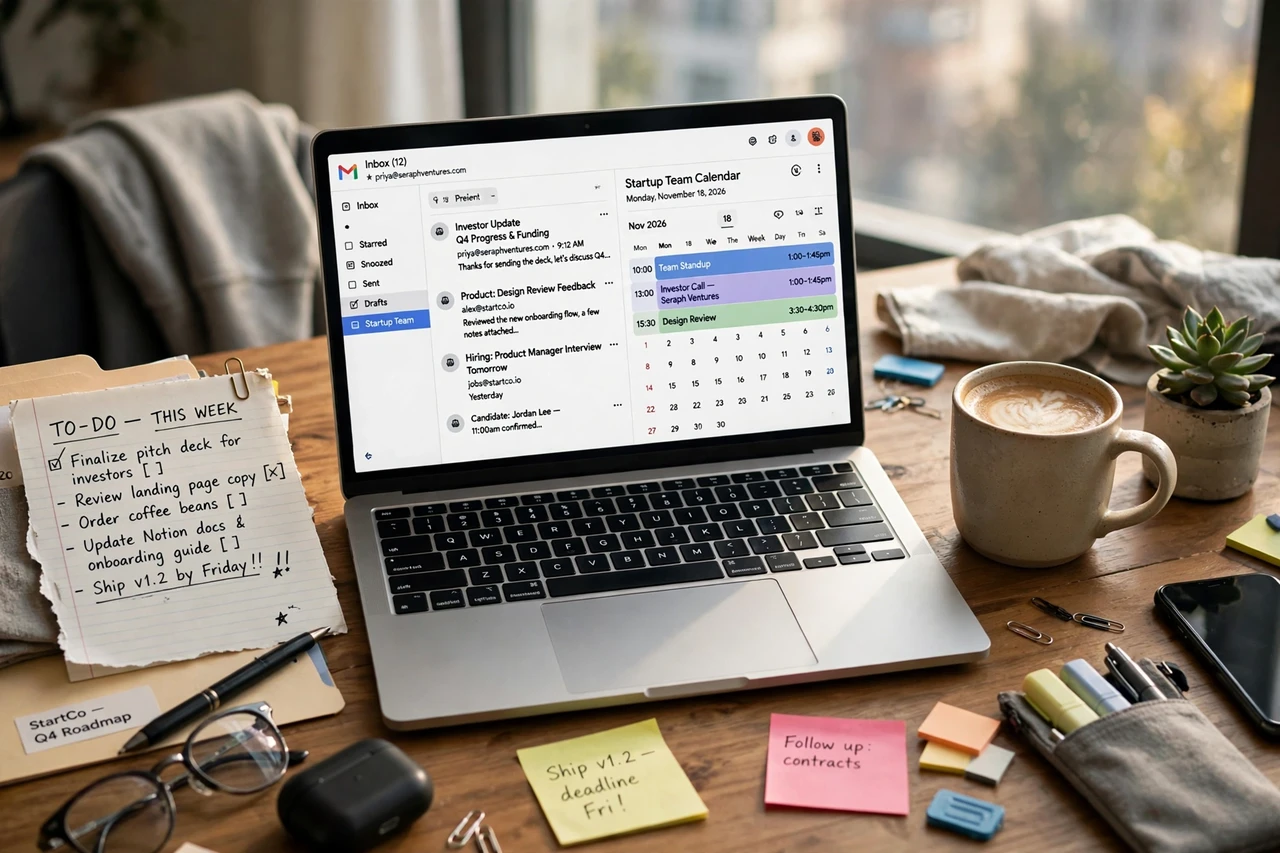
Small crypto startups hire virtual assistants and often pay in Ethereum, the coin most of their tools and payments already run on. You handle email, calendars, bookings, research, and community messages for a small team, and the startup standardises the setup so any assistant can cover for another. The work suits organised generalists, and because startups move fast, they hire the assistant who needs the least training. Ethereum’s price moves a lot, so ask whether your rate is set in dollars and converted on payday — that is the fair version of this deal.
Tip: learn one scheduling tool and one project tool properly before you apply, and keep a short sample of a calendar or inbox you have managed ready to share.
5. Audio Typing Gigs That Pay in Digital Currency

Some transcription and audio-typing platforms pay in digital currency, usually for crypto-related audio — podcast episodes, conference talks, and interviews from the crypto world. The work is listening to recorded audio and typing it accurately, and most platforms ask you to pass a short test before your first paid file. You need fast, accurate typing and good hearing, and a foot pedal and a good headset make the work fast enough to pay well. Payouts are usually small and frequent, which is good practice for learning how a crypto wallet works before you take on bigger jobs.
Tip: practise with a free transcription test online first, and time yourself — jobs that look easy pay poorly if you type slowly.
6. Coding Gigs That Pay in Bitcoin

Crypto projects hire freelance developers and often pay in Bitcoin, because the whole project — its funding, its users, its payments — already runs on crypto. The work ranges from small fixes on a website or app to building features for a wallet or exchange, and clients usually pay per project or per milestone rather than per hour. You need real coding skill and a public code portfolio, and the clients who pay best are the ones with a working product and a clear brief. Agree the payment amount in dollars and the Bitcoin amount on the day you are paid, so a price swing does not quietly cut your rate.
Tip: use a milestone contract for your first crypto client — a small paid test task first, then the main project once you have been paid on time.
7. Social Media Jobs That Pay in Crypto Tokens
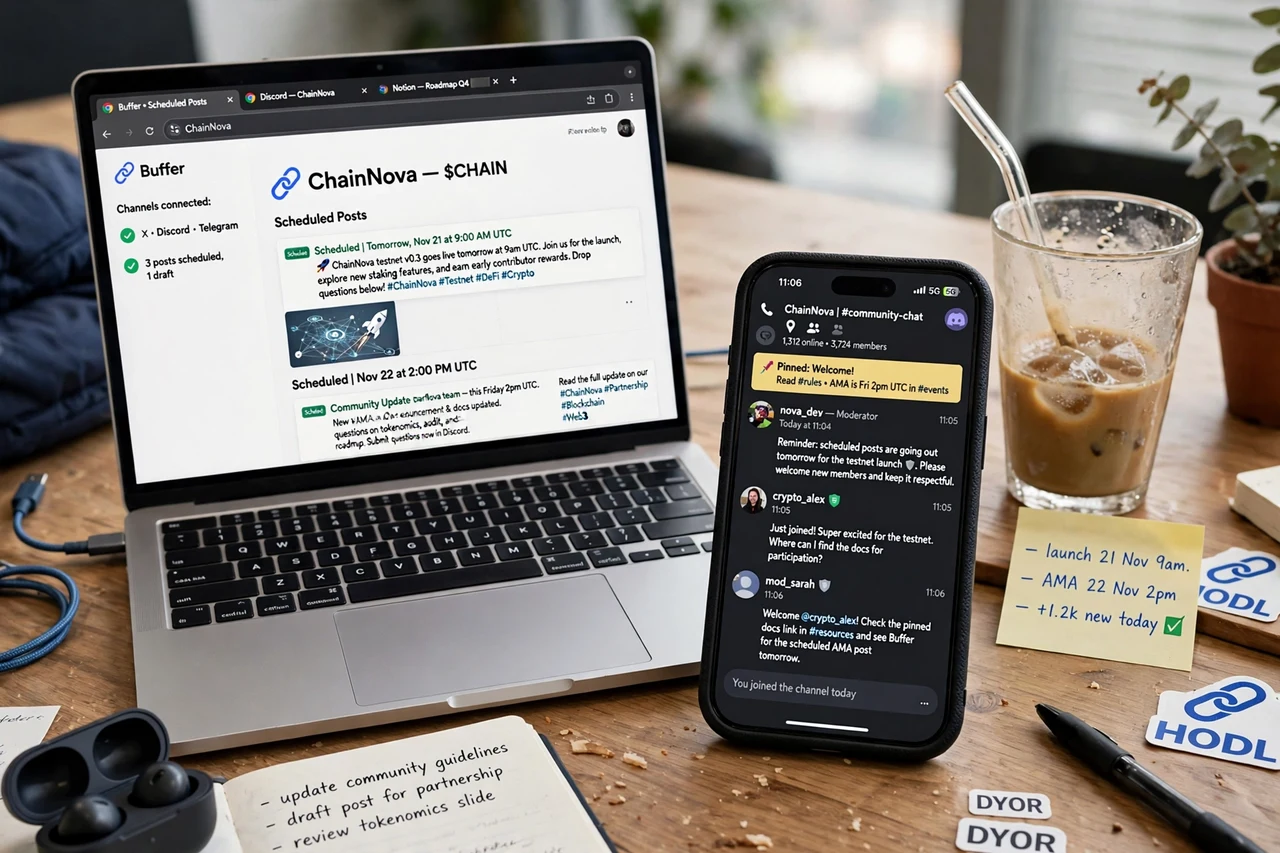
Crypto projects pay social media managers in their own tokens, because the tokens are the project’s currency and paying in tokens costs them nothing extra. The work is scheduling posts, replying to community questions, and growing an audience on X, Discord, or Telegram, and it suits people who already follow crypto closely. Be careful here: a project’s own token can lose most of its value quickly, so a rate quoted in tokens is not the same as a rate in dollars. Ask for a dollar value for the work and check the token’s price before you accept.
Tip: if the pay is in the project’s own token, ask for at least part of it in a stablecoin or dollars — a mix protects you if the token drops.
8. Spreadsheet and Form Work That Pays in Crypto

Some crypto companies and research projects hire remote workers for spreadsheet and form work — cleaning data, updating lists, and entering information from forms into their systems — and pay in crypto. The work is straightforward and suits beginners, because accuracy matters more than speed, and most tasks come with a clear template. Because this kind of work has more fake listings than most roles on this list, only trust a crypto-paying offer that comes through the company’s own careers page or a known freelance platform, and never pay a fee to unlock a job or a payout. If you want to begin right away, these remote jobs with weekend start dates let you start on a Saturday or Sunday. [ADDED LINK]
Tip: take a free online typing test before you apply and put your real words-per-minute score on your application — it is the first thing hiring managers check.
Frequently Asked Questions
Which cryptocurrency will I be paid in?
It depends on the employer. Bitcoin and Ethereum are the most common, and stablecoins tied to the US dollar are the steadiest choice. Some projects pay in their own token, which can be the riskiest option — always check the coin’s price and history before you accept.
Is getting paid in crypto risky?
Yes — the main risk is price swings. A payment worth $500 today can be worth much less, or more, next week. Ask for a dollar-fixed rate converted to crypto on payday, prefer stablecoins when you have the choice, and convert to dollars regularly if you need the money for bills.
Do I need a crypto wallet before I apply?
Usually, yes — the employer pays to a wallet address you provide. Set up a wallet from a well-known provider, write down your recovery phrase on paper and keep it somewhere safe, and never share it with anyone. If an employer asks for your recovery phrase, it is a scam.
Is a remote job that pays in crypto a scam?
Not always, but this space has more scams than most. A real employer never asks you to pay for equipment, buy a starter kit, deposit a cheque, or send crypto to unlock a job. Apply only through the employer’s own careers page or a known freelance platform.
Do I pay tax on crypto earnings?
In the United States, crypto you earn for work is generally treated as income and taxed on its dollar value when you receive it, and selling it later can create a second tax event. Keep a simple record of every payment — date, coin, amount, and dollar value — and check the current rules with a tax professional if you earn regularly in crypto.
Crypto pay is a real option, but it is not free money — the job is the work, the shifts, and the rate, and the coin is only how the money arrives. Pick a role that fits your skills, ask for a dollar-fixed rate when you can, prefer stablecoins, and never pay a cent to unlock a job. The right remote job pays you fairly, whatever currency it arrives in.