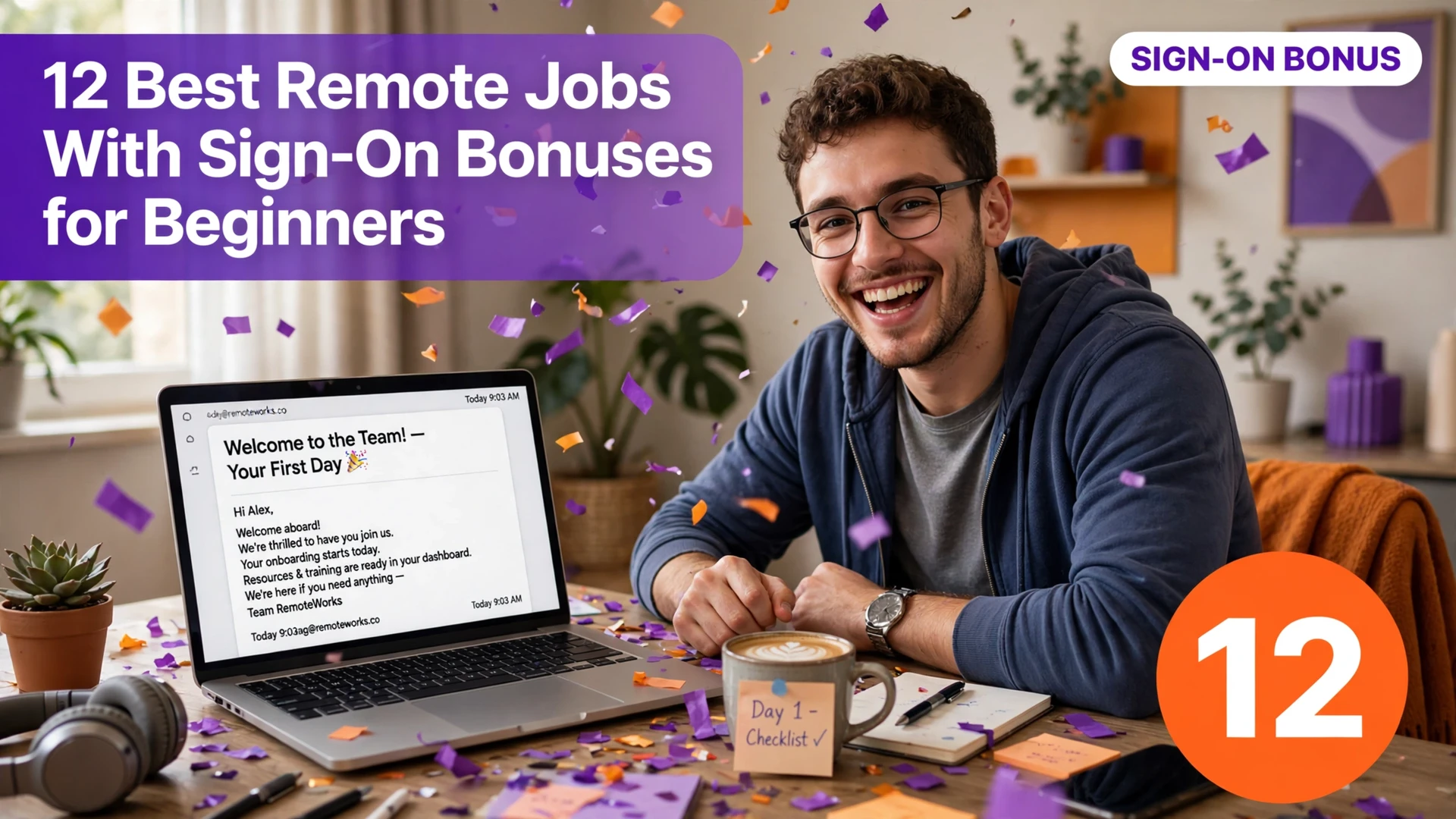
Some remote employers pay you a bonus simply for accepting the job and finishing training. These remote jobs with sign-on bonuses are usually offered by companies hiring fast — call centres, support teams, and sales firms that need new starters now and will pay to get them. The bonus is normally paid after you complete training or your first 30 to 90 days, and it can range from $100 to $1,000 or more depending on the role. Read the terms before you accept: a bonus tied to staying six months is only worth it if the job itself suits you. Here are twelve beginner-friendly remote roles where a sign-on bonus is part of the deal.
1. Customer Support Roles That Open With a Signing Bonus
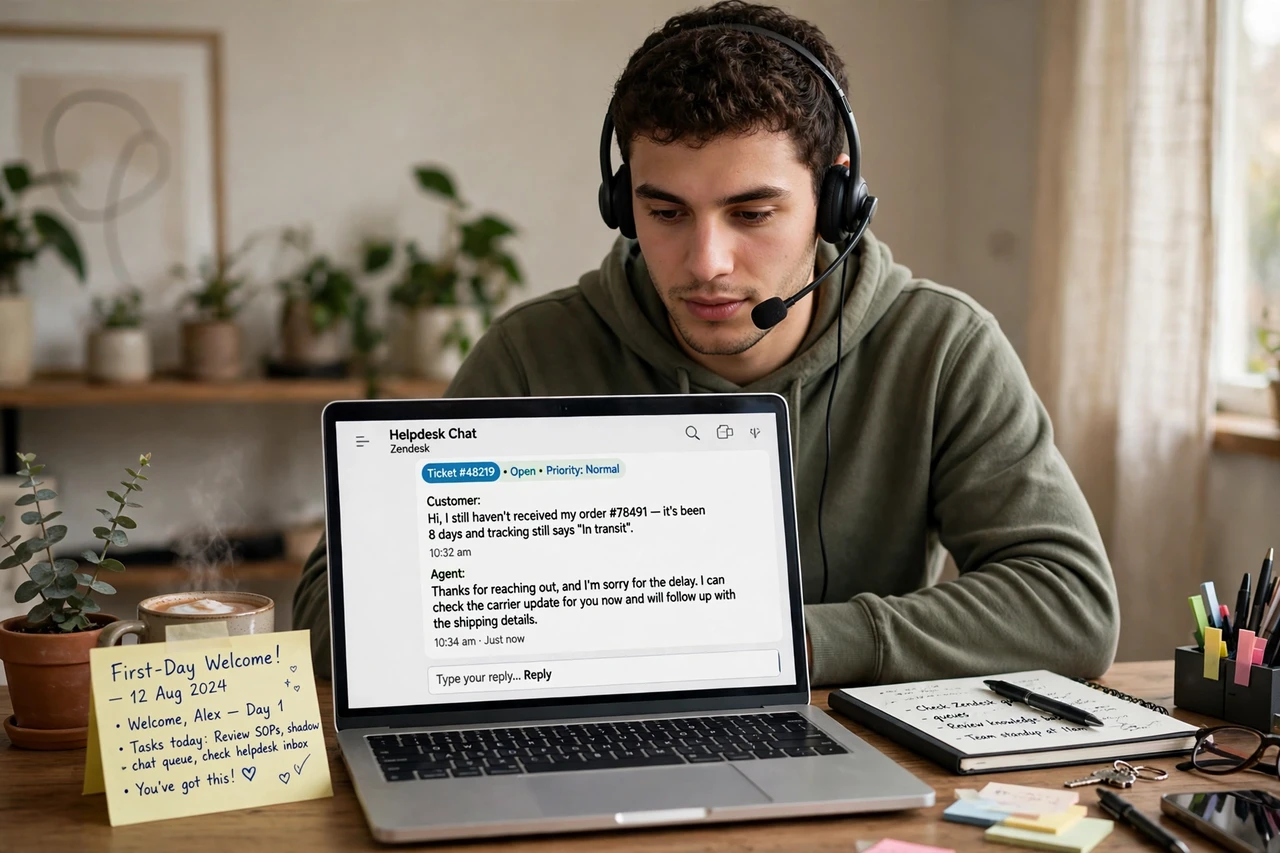
Customer support is the most common remote role with a signing bonus, because companies are always hiring agents and want new starters to stay through training. You answer calls, chats, or emails for one brand, follow their scripts, and work fixed shifts. The bonus is usually paid after you finish training and complete your first month on the phones. Most roles ask for a quiet room and a stable internet connection — and the bonus is a real perk on top of a steady hourly wage. Many of these employers are hiring fast — see these remote jobs that hire immediately if you need work this week. [ADDED LINK]
Tip: ask in writing when the bonus is paid and what happens if you leave early — a bonus that only pays out after 90 days is very different from one paid after training.
2. Sales Roles That Pay a Starter Bonus in the First Month

Remote sales teams often pay a starter bonus in the first month to attract people who can start selling quickly. You call or message leads, follow up, and close deals, usually with a base wage plus commission on top of the bonus. The bonus exists because sales hiring is competitive — companies would rather pay you to join than lose you to another team. Check whether the bonus depends on hitting a sales target in your first month, and make sure the target is realistic before you count on the money.
Tip: ask what a typical new starter earns in month one, bonus included — the answer tells you whether the bonus is a genuine extra or just a way to dress up a low base wage.
3. Tech Support Roles That Add a Joining Bonus
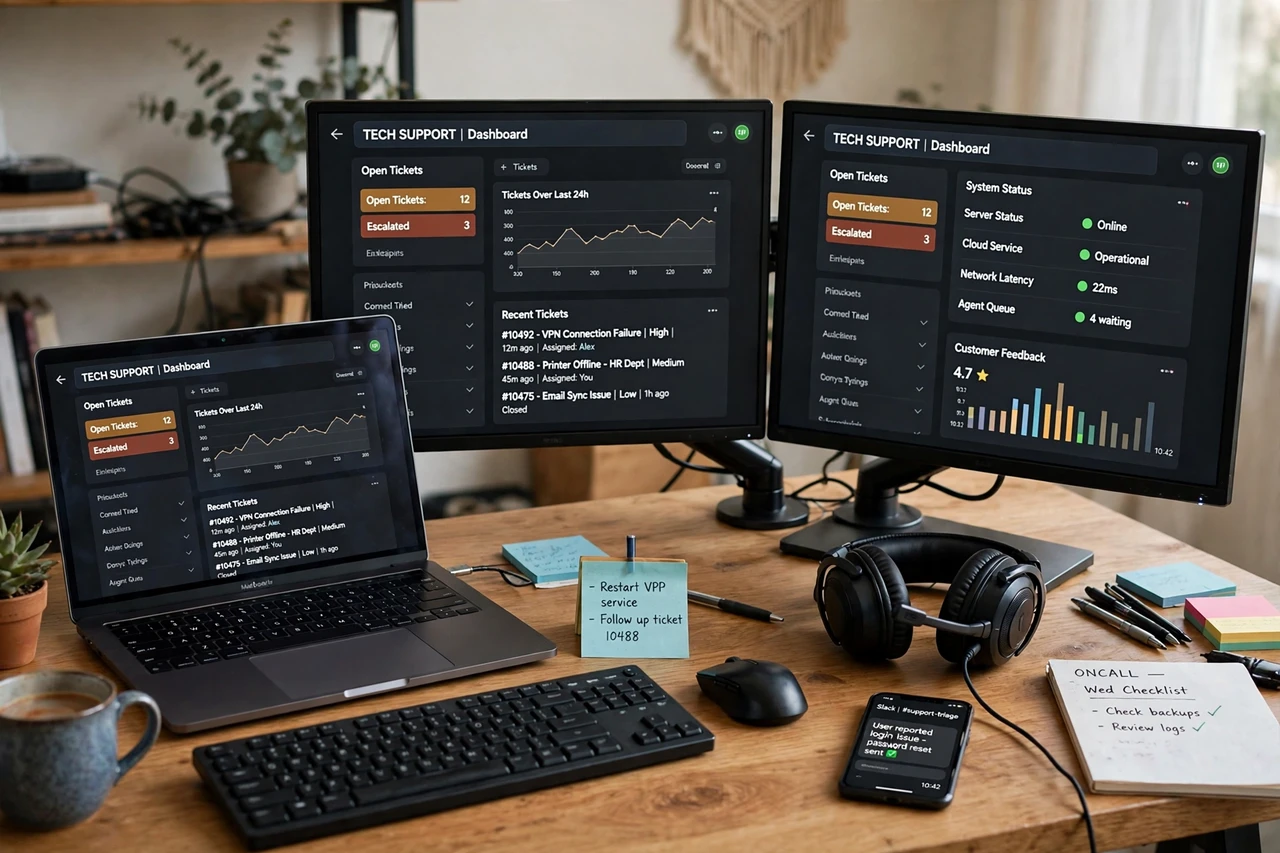
Tech support roles add a joining bonus because trained support staff are hard to hire, and a bonus gets experienced applicants through the door faster. You help customers fix software, account, and device problems by phone or chat, following troubleshooting guides. Many roles include paid training and a company laptop, so the bonus sits on top of a proper setup. You need basic tech knowledge and a calm manner with frustrated customers, and the bonus is normally paid once training is complete. If training matters to you, these remote jobs with paid training included let you learn on the job. [ADDED LINK]
Tip: learn the employer’s product line before the interview — even a few hours reading their help pages puts you ahead of most applicants and makes the bonus easier to earn.
4. Data Entry Roles With a Bonus for New Starters

Data entry employers that offer a bonus for new starters usually do it during a hiring push, when they need a large team trained at once. The work is straightforward — typing information from forms, invoices, or scans into their system — and accuracy matters more than speed. Because data entry has more fake listings than any other role on this list, only trust a bonus offer that comes through the employer’s own careers page, and never pay a fee to access a job list or a bonus.
Tip: take a free online typing test before you apply and put your real words-per-minute score on your application — it is the first thing hiring managers check.
5. Virtual Assistant Roles That Include a New-Starter Bonus
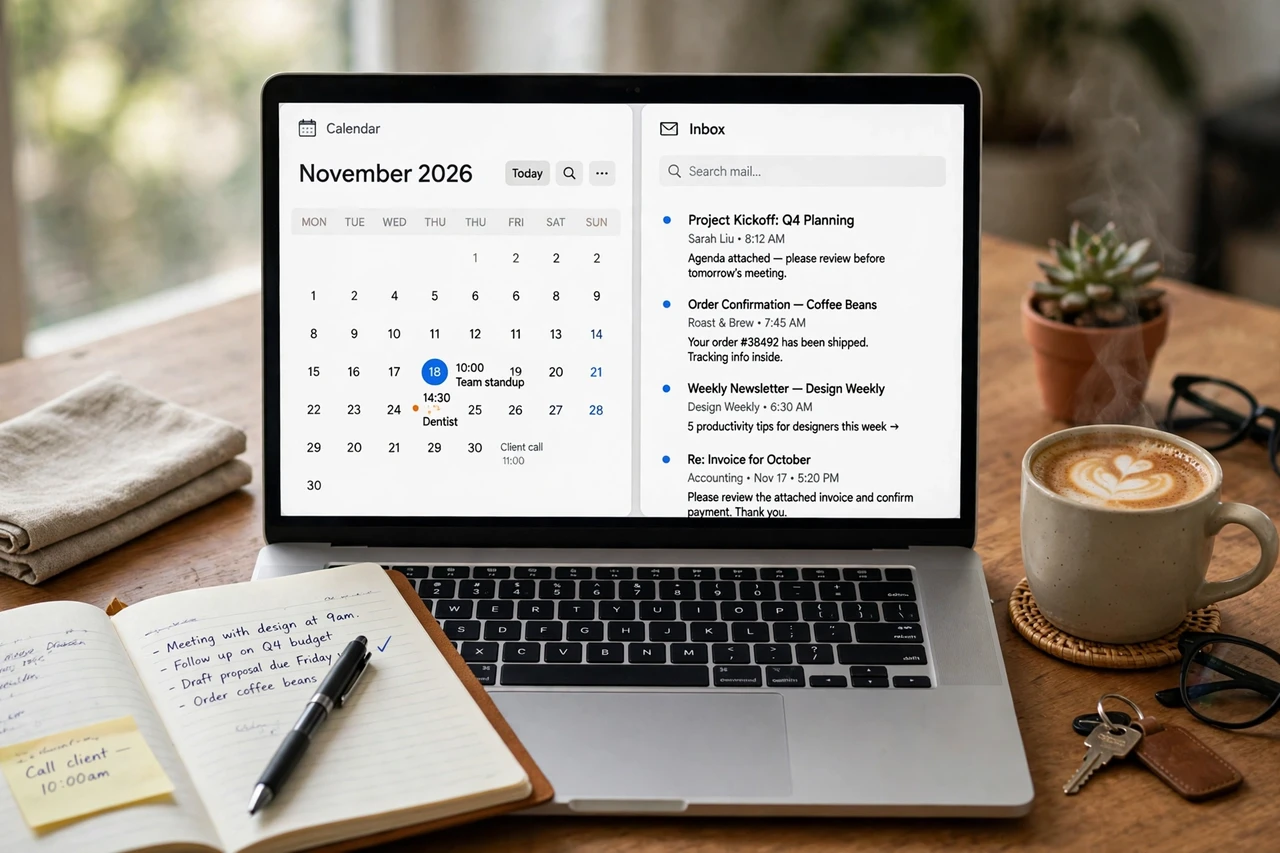
Some virtual assistant agencies include a new-starter bonus when they are onboarding a whole group of assistants at once. You handle email, calendars, bookings, and research for one or more clients, and the agency standardises the setup so any assistant can cover for another. The bonus is usually tied to completing the agency’s training and taking your first client, and these roles favour organised generalists over specialists. A tidy sample of a calendar or inbox you have managed is worth more than a long CV.
Tip: learn one scheduling tool and one project tool properly before you apply; agencies hire the assistant who needs the least training.
6. Tutoring Roles That Pay a Bonus to New Tutors

Online tutoring companies pay a bonus to new tutors when they need to fill teaching slots for a new school term or subject. You teach one subject you know well, usually in regular weekly slots, and the company provides the platform and lesson plans. Some bonuses are paid after your first ten lessons, others after your first month of steady teaching. Returning students are steadier income than a stream of one-off sessions, so keep the same students once you have them.
Tip: test your camera, light, and microphone in the exact spot you will teach from, and fix the background before your first paid lesson — first impressions decide whether students rebook.
7. Medical Coding Roles With a Hiring Bonus for Beginners
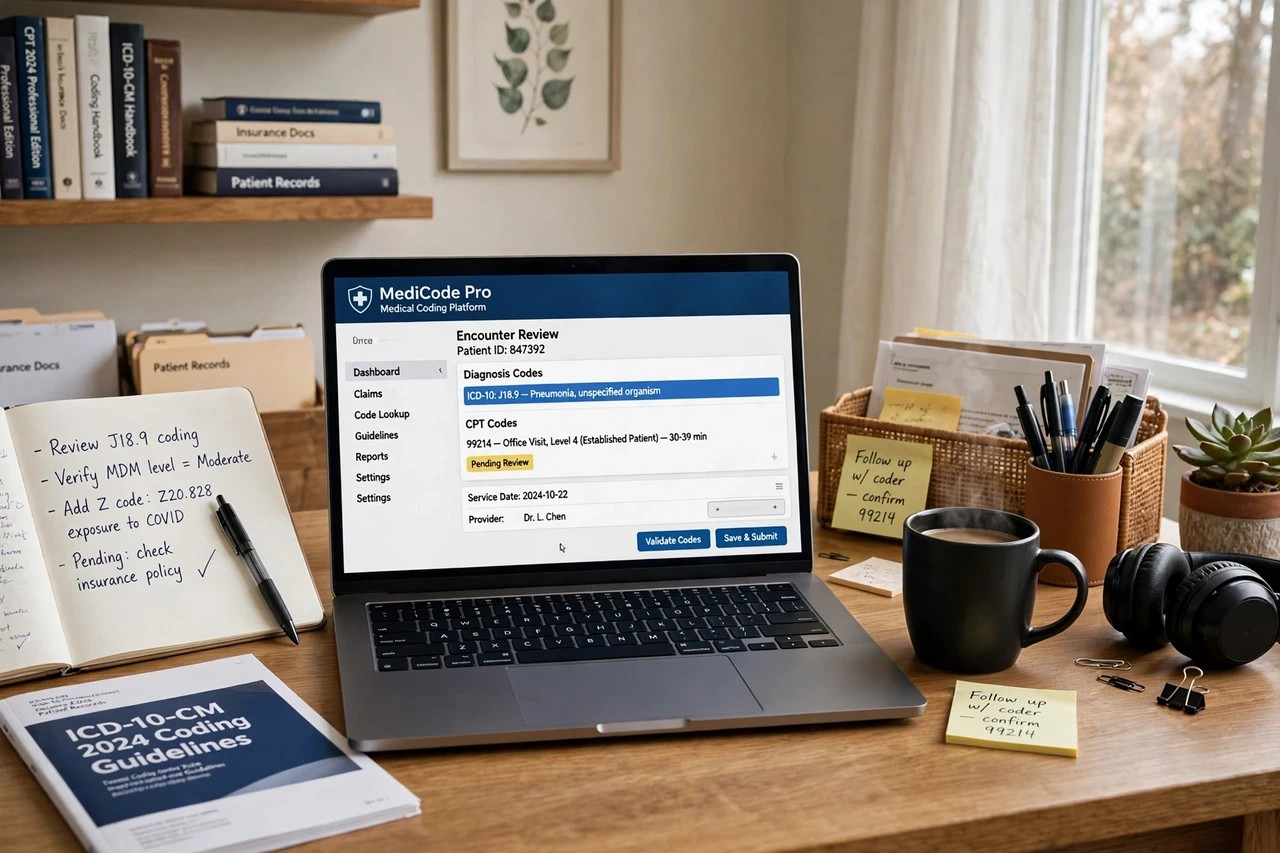
Medical coding employers offer a hiring bonus because qualified coders are in short supply, and the bonus helps them win new starters over other employers. The job is turning doctors’ notes into standard billing codes, and it needs a coding certificate and careful attention to detail. Training takes months, so this is a longer path than the other roles here, and the certificate is the entry ticket — but once qualified, it is steady, quiet, fully remote work, and the bonus is a genuine extra on top.
Tip: check that any coding course you pay for leads to a recognised certificate employers actually ask for, and confirm that before you enrol.
8. Live Chat Roles That Offer a Sign-On Bonus
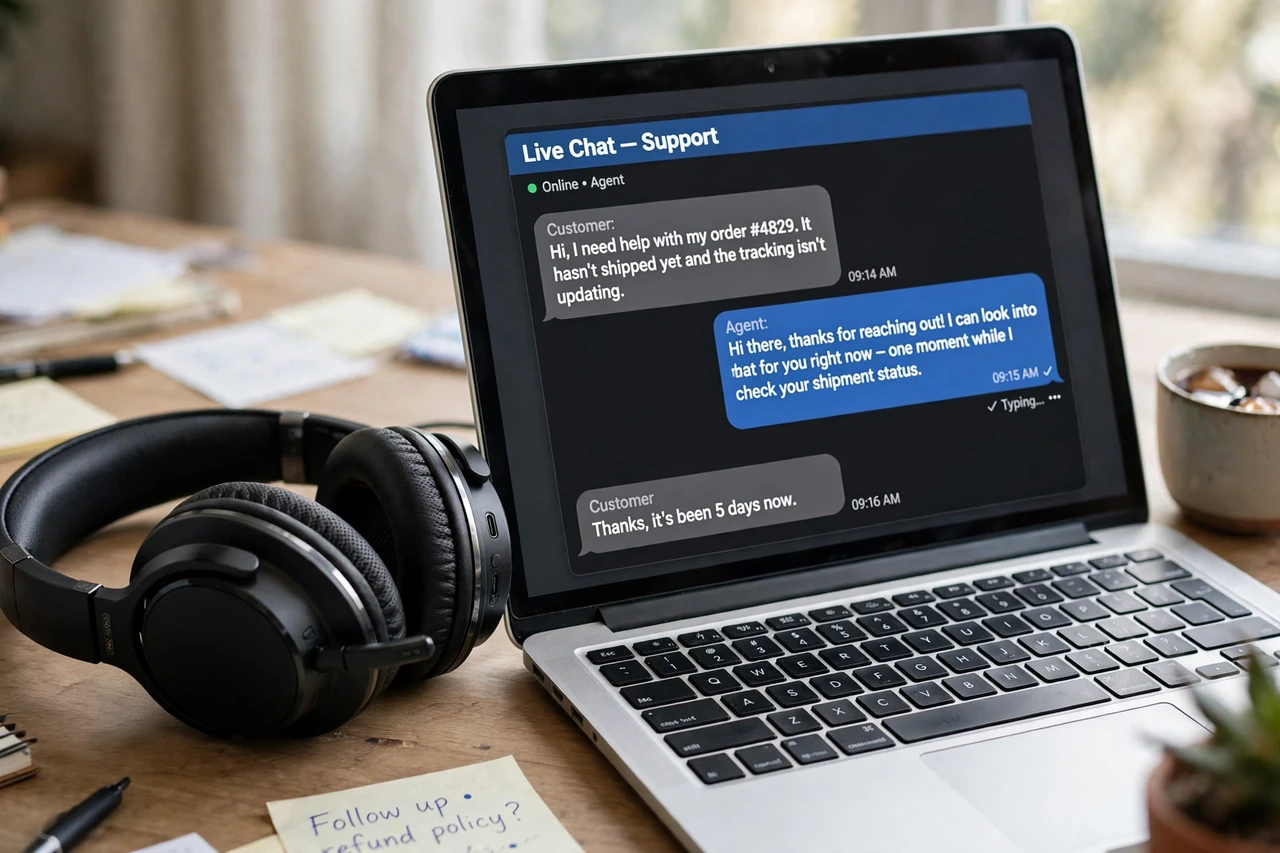
Live chat roles offer a sign-on bonus because they are one of the fastest-growing remote jobs, and employers need to staff chat queues quickly. There is no phone voice work: you answer customer messages in writing, often handling two or three chats at once. Typing speed matters more than anything — most listings ask for 40 words per minute or more — and calm, clear written English wins the role. The bonus is usually paid after training and your first few weeks of live chats.
Tip: practise typing while reading a customer message aloud; support chats reward people who can read, think, and type at the same time.
9. Transcription Roles With a First-Paycheck Bonus

Transcription companies that pay a first-paycheck bonus use it to attract typists who will pass their test and stay for regular work. The job is listening to recorded audio and typing it accurately, and most companies ask you to pass a short transcription test before your first paid file. You need fast, accurate typing and good hearing, and the bonus normally arrives with your first pay cycle once you have completed a set number of files. A foot pedal and a good headset make the work fast enough to pay well.
Tip: practise with a free transcription test online first, and time yourself — jobs that look easy pay poorly if you type slowly.
10. Call Centre Roles That Start With a Joining Bonus

Call centre roles that start with a joining bonus are usually hiring for a new team, a new client, or a seasonal peak. The work is inbound or outbound calls — sales, bookings, surveys, or support — on fixed shifts with a script and a target. It is talkative work, so it suits people who enjoy conversation, and the equipment box usually arrives before training so you can set up and test everything first. The bonus is often split: part after training, part after your first month on live calls.
Tip: ask whether calls are recorded for training, and whether you need a wired internet connection — many call centres will not accept Wi-Fi alone.
11. Bookkeeping Roles That Pay a Bonus After Training
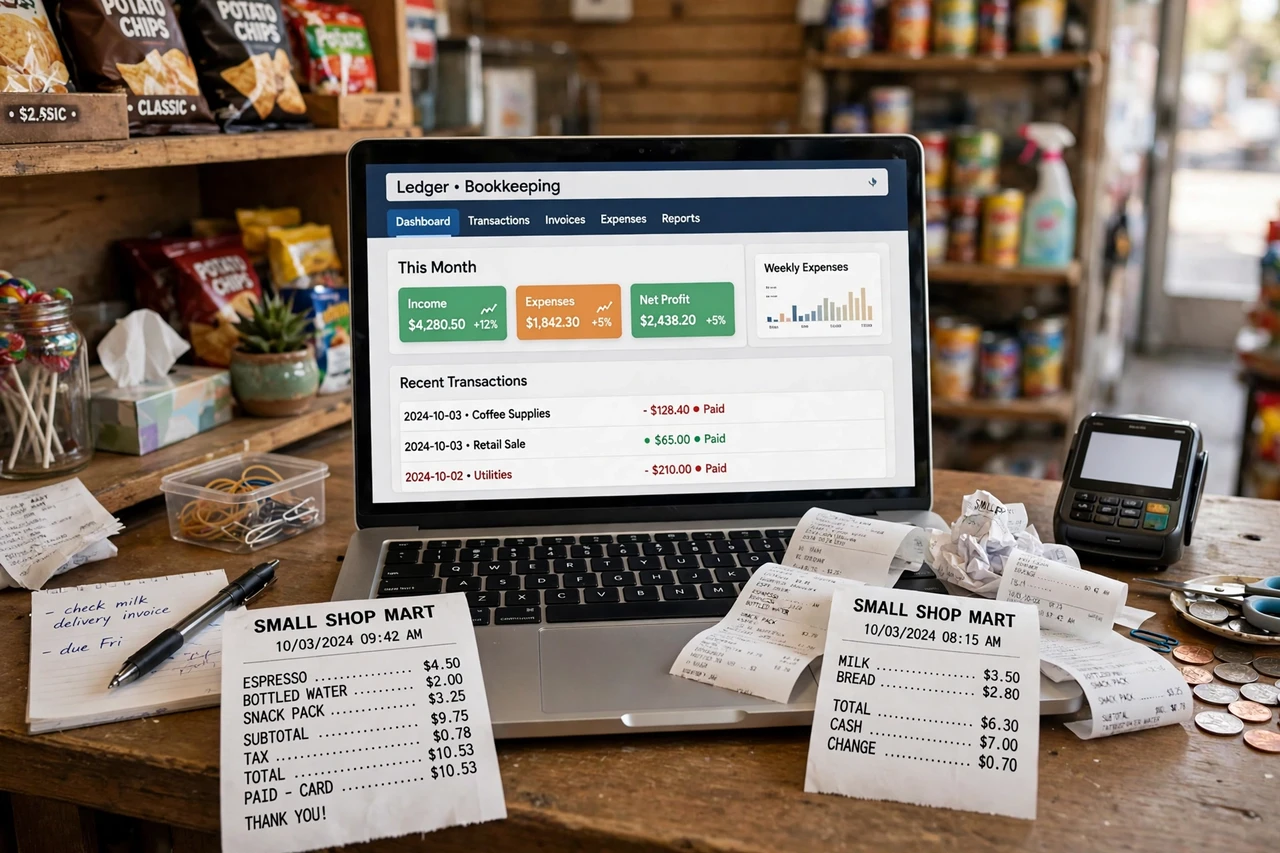
Bookkeeping firms that pay a bonus after training do it because trained bookkeepers are hard to replace, and the bonus keeps new starters through the training period. The work is recording income and expenses, reconciling accounts, and preparing simple reports for small businesses, usually in one accounting software package. You need basic number skills and familiarity with a tool like QuickBooks or Xero — a short course is enough to start. The bonus rewards finishing training and taking your first client, not just signing the contract.
Tip: learn one bookkeeping tool properly and practise on a sample business file before you apply; firms hire the bookkeeper who needs the least hand-holding.
12. Travel Support Roles With a New-Starter Bonus for Beginners

Travel support companies pay a new-starter bonus when they are staffing up before a busy holiday season. You help customers book, change, or cancel trips by phone or chat, and answer questions about flights, hotels, and travel rules. The work needs patience and clear communication rather than travel experience, and most companies provide paid training on their booking system. The bonus is usually paid after training and your first month of live shifts, just as the busy season begins.
Tip: practise explaining a booking change out loud in simple steps — travel callers are often stressed, and a calm, clear voice is the skill that gets you hired.
Frequently Asked Questions
Do I really get a sign-on bonus just for starting a remote job?
Yes, with real employers — but read the terms. Most bonuses are paid after you finish training or complete 30 to 90 days of work, not on day one. A bonus that only pays after six months is only worth it if the job itself is one you want to keep.
How much is a typical remote job sign-on bonus?
Most beginner roles offer $100 to $500, while tech support, medical coding, and sales roles can offer $500 to $1,000 or more. The exact amount, the payout date, and any conditions should be in your written offer — if they are not, ask before you accept.
Is a sign-on bonus a sign the job is a scam?
Not on its own, but check carefully. A real employer never asks you to pay for equipment, buy a starter kit, or deposit a cheque to unlock a bonus. Apply only through the employer’s own careers page, and walk away from any listing that asks for money upfront.
Do I have to pay the bonus back if I leave early?
Sometimes, yes — some offers include a repayment clause if you leave within three or six months. Read that clause before you sign, and keep a copy of your offer letter so you know exactly what you agreed to.
Which sign-on bonus remote jobs are best for beginners?
Customer support, live chat, and data entry are the usual beginner entry points, and they are also the roles most likely to offer a bonus. Tech support and medical coding pay more but need more training, so start with a beginner role and move up once you have remote work experience.
A sign-on bonus is a nice extra, but it is not the job — the job is the work, the shifts, and the pay. Pick the role that fits your skills and your hours, check the bonus terms in writing before you accept, and never pay a cent to unlock one. The right remote job pays you to start and keeps paying you after the bonus is gone.