Laundromats are America’s classic semi-passive business: cash-heavy, recession-proof, and increasingly automatable. These 10 laundromat income ideas for hands-off owners show how to earn from laundry without folding a single shirt yourself.
1. Buy an Existing Profitable Laundromat
Buying an established laundromat beats building one — you get proven cash flow, an existing customer base, and equipment already installed from day one. Profitable stores sell for 3 to 5x annual cash flow; a store netting $60,000 a year might cost $200,000 to $300,000, often with seller financing available. Verify income by reviewing 12 months of utility bills and machine meter readings, not just the seller’s word.
Look for stores with long leases (10+ years) in dense residential areas with limited competition. An absentee seller is your best signal — it proves the store already runs without an owner present.

2. Add Wash-and-Fold Services
Wash-and-fold is the highest-margin service in the laundry business — customers pay $1.50 to $2.50 per pound for what costs you pennies in water and labor. A single attendant handling drop-offs can generate $3,000 to $8,000 a month in extra revenue from your existing machines. Market to busy professionals and Airbnb hosts who’ll become weekly regulars.
Start with one dedicated attendant during peak hours and expand as demand grows. Branded bags and a simple online ordering page make the service feel premium enough to command top rates.
3. Land Commercial Laundry Accounts
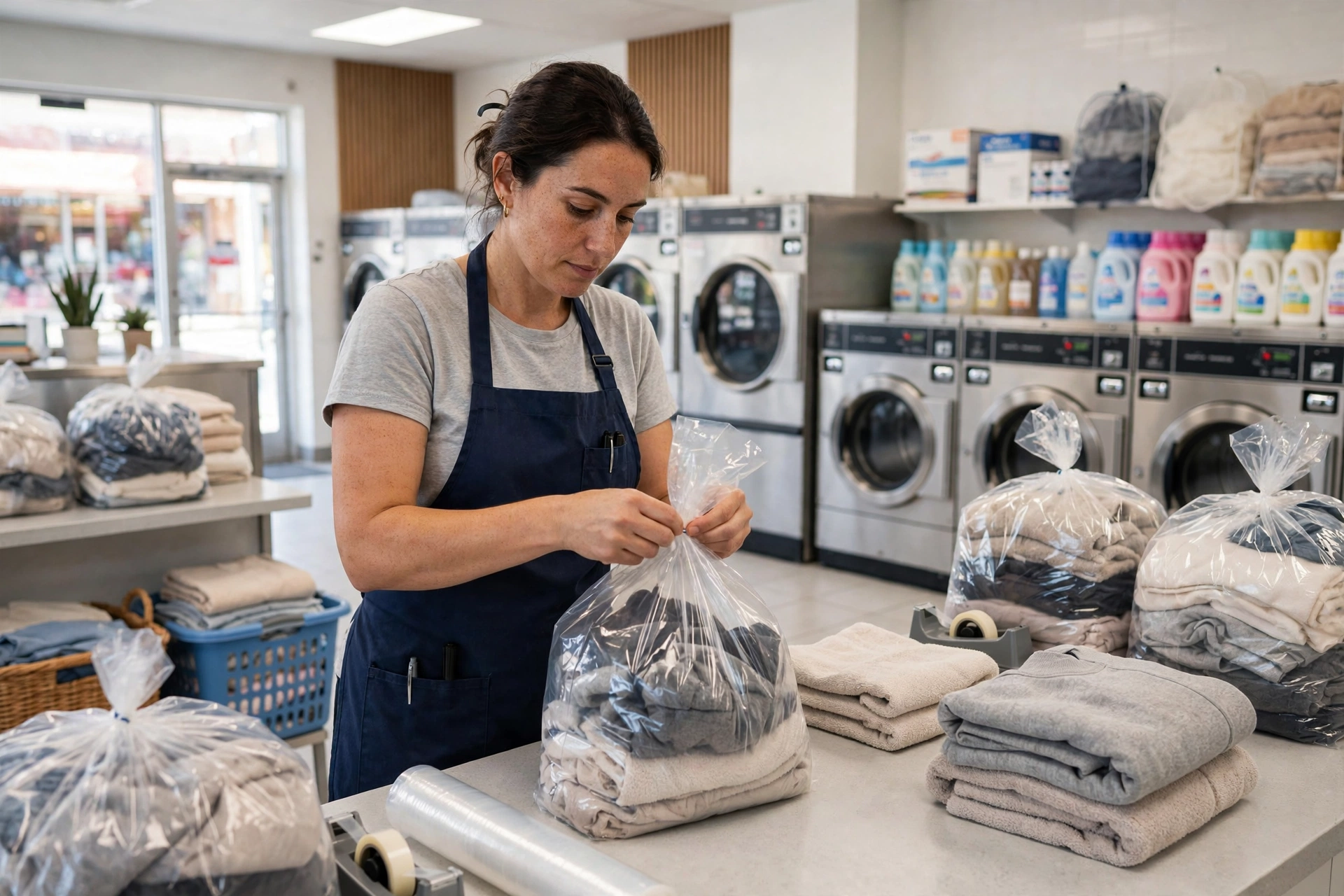
Restaurants, salons, gyms, Airbnb managers, and medical offices all need regular laundry service — and commercial accounts pay reliably, in volume, every single week. One restaurant account can mean 200+ pounds weekly at $1.25 a pound: $1,000 a month from a single client. Five accounts transform a laundromat’s economics.
Pitch with a one-page rate sheet and a free trial week; businesses switch laundry providers the moment someone makes it easy. Reliability beats price in this game — never miss a pickup.
4. Upgrade to Card and App Payments
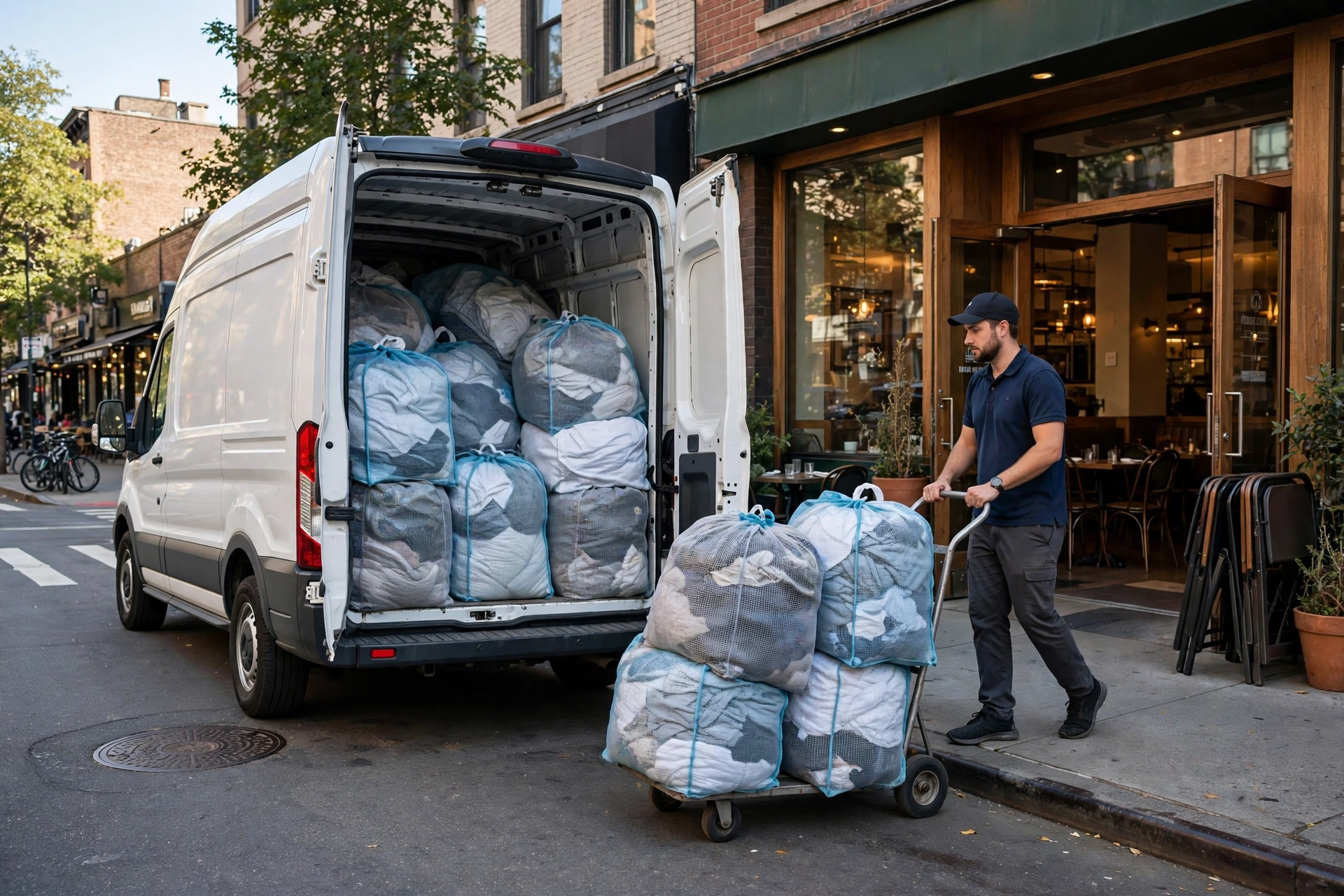
Coin-only laundromats lose customers to competitors with tap-to-pay — upgrading to card and app systems typically lifts revenue 20 to 30% by removing the “no quarters” friction. Systems like Speed Queen Insights or PayRange cost $150 to $300 per machine installed but pay back within months through higher usage and remote monitoring.
The real win is data: app payments show you exactly which machines earn most, peak hours, and customer patterns. That intelligence drives every other income idea on this list.
5. Install Vending and Passive Add-Ons
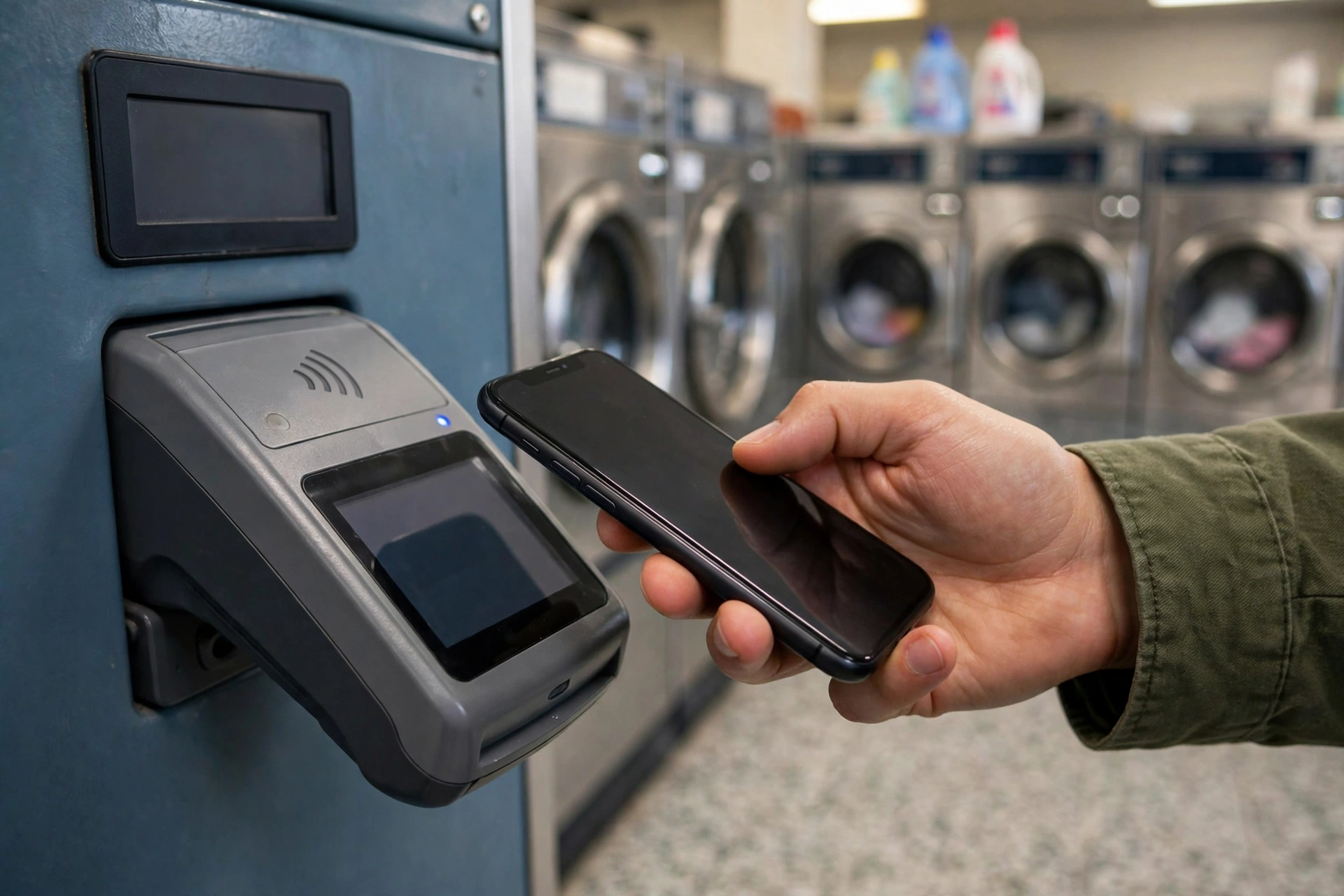
Detergent vending, snack machines, and drink coolers turn waiting time into extra revenue — $500 to $2,000 a month with zero labor beyond restocking. Soap vending alone carries 60%+ margins since customers forgot theirs and will pay premium prices. Add an ATM and collect surcharge revenue from the cash-preferring crowd.
Negotiate revenue-share with vending operators if you don’t want to manage machines yourself — 20 to 30% of gross for zero work is standard. Every square foot of your store should earn its keep.
6. Offer Pickup and Delivery Routes
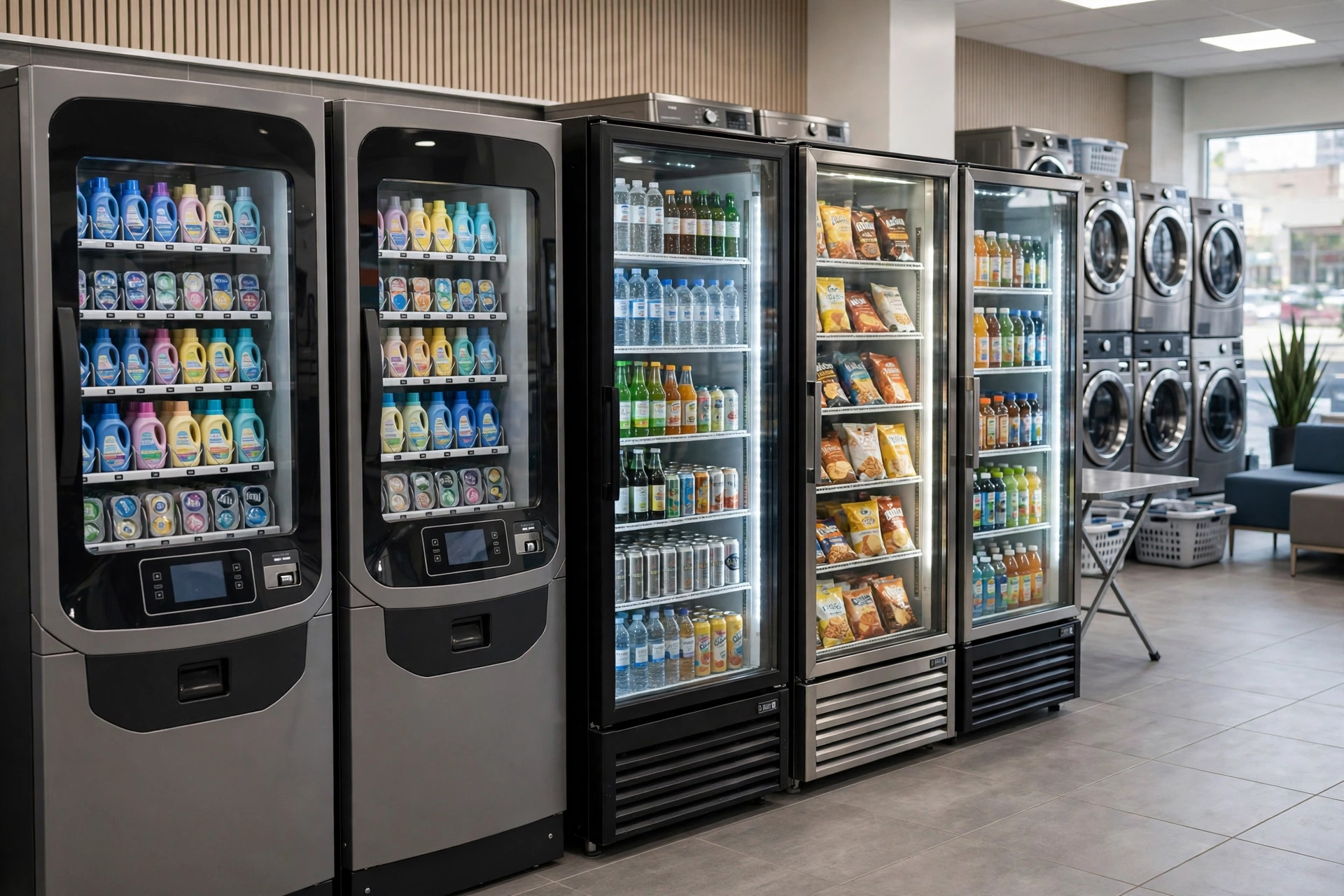
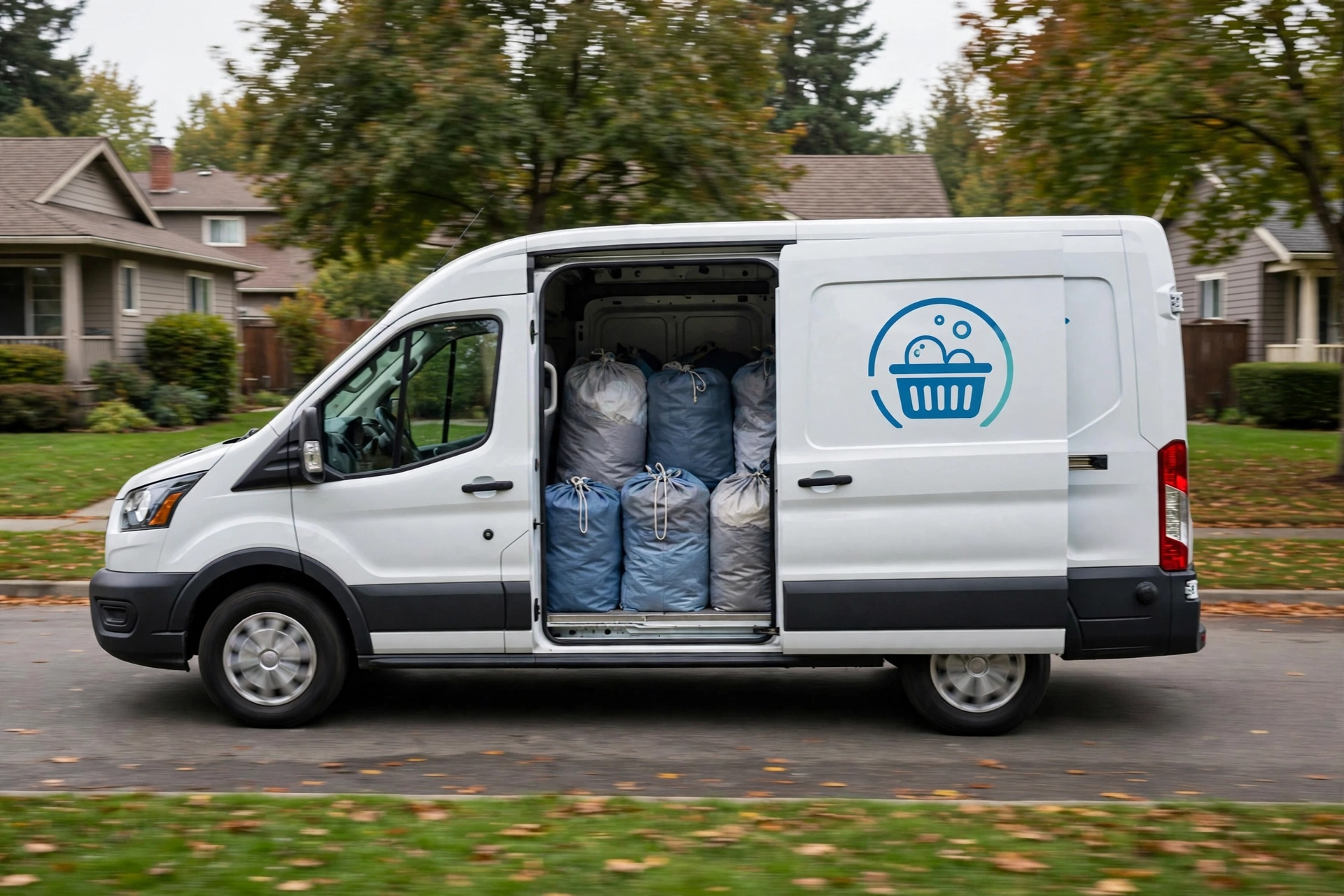
Pickup and delivery converts your laundromat into a service business with 2 to 3x the revenue per pound of walk-in traffic. A single driver running a tight route can service 40 to 60 stops weekly; at $40 average order value, that’s $6,000 to $10,000 in monthly route revenue. Start with one van and expand route by route.
Target neighborhoods within 15 minutes of your store to keep drive time minimal. Subscription plans (“weekly pickup every Tuesday”) create the predictable recurring revenue that makes this genuinely hands-off income.
7. Add Dry Cleaning Drop-Off Services
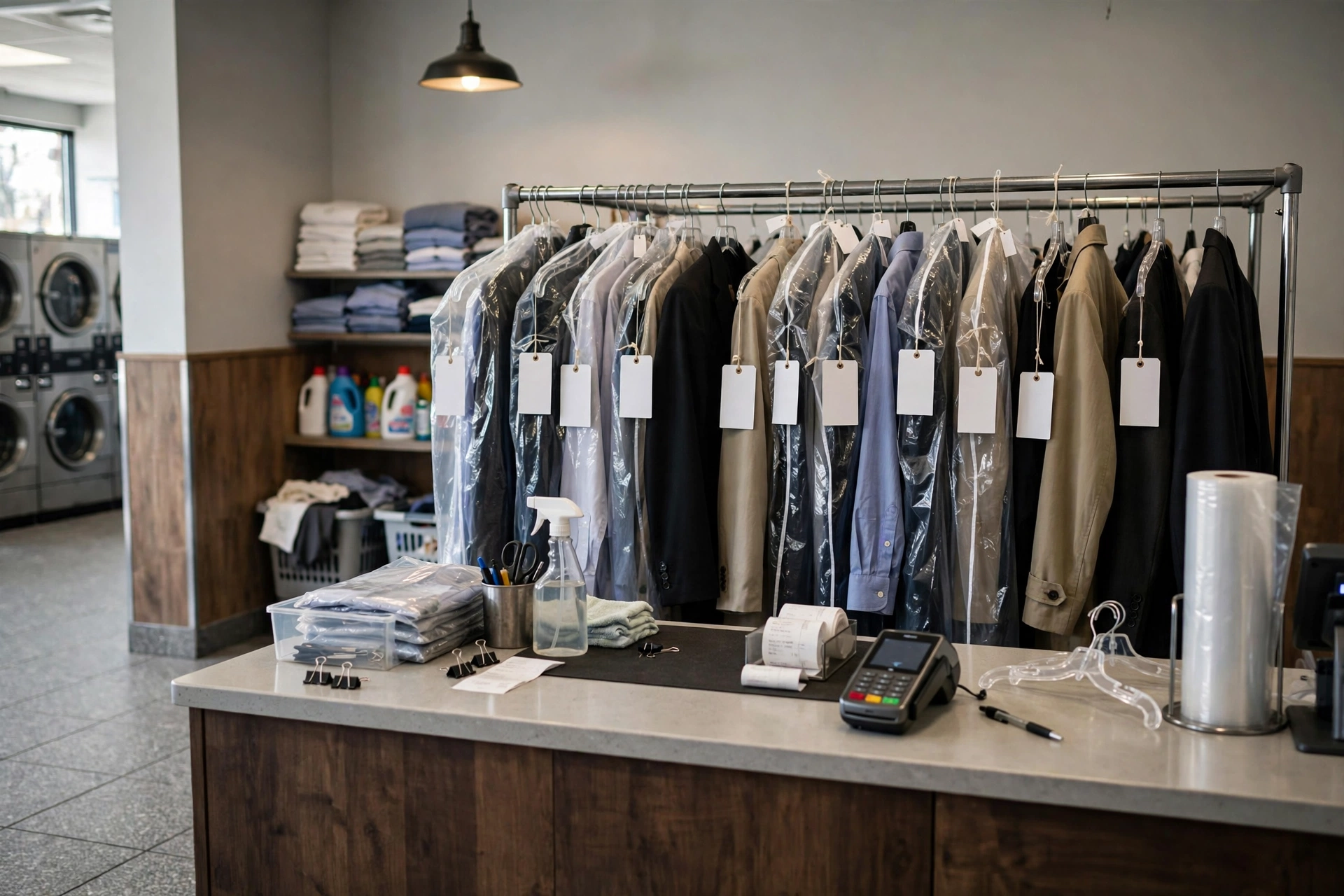
Partner with a wholesale dry cleaner and offer drop-off service at your counter — you collect retail prices, pay wholesale rates, and keep the 40 to 50% margin with no equipment investment. A small counter, a garment rack, and a tagging system are the entire setup. Dry cleaning customers also become laundry customers, compounding the value.
Choose your wholesale partner by turnaround time and quality, not just price — your reputation rides on their work. One reliable partner beats three cheap ones.
8. Automate With Remote Management Systems
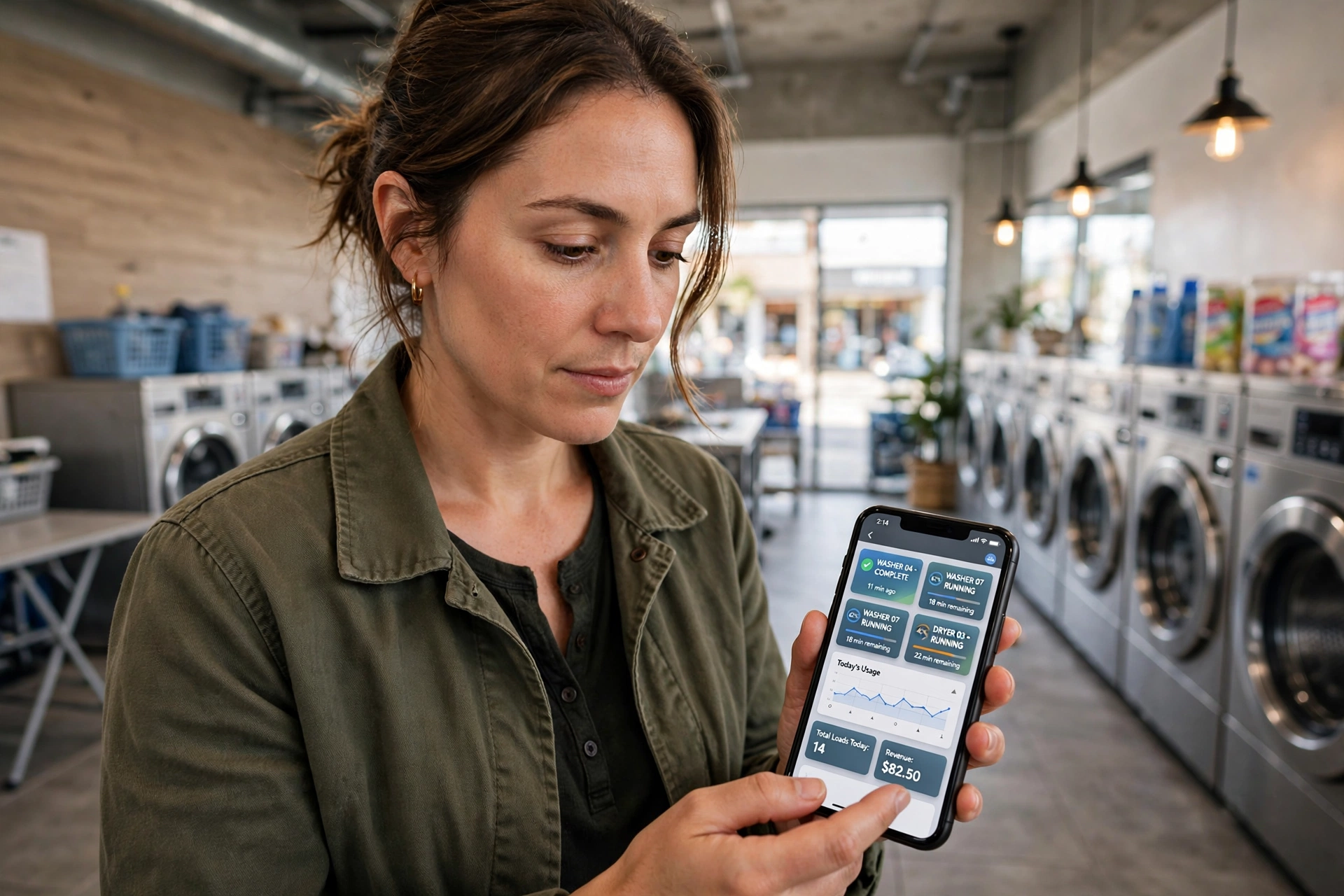
Modern laundromat management platforms let you monitor machines, process refunds, adjust pricing, and view security cameras from your phone — the “hands-off” in hands-off ownership. Systems like Curbside Laundries or Laundroworks centralize multi-store management so one owner can run several locations with minimal staff.
Pair remote systems with a part-time attendant for cleaning and customer issues, and you’ve reduced the owner role to a few hours of weekly oversight. Automation is what separates laundromat investors from laundromat operators.
9. Lease Wall Space for Local Advertising
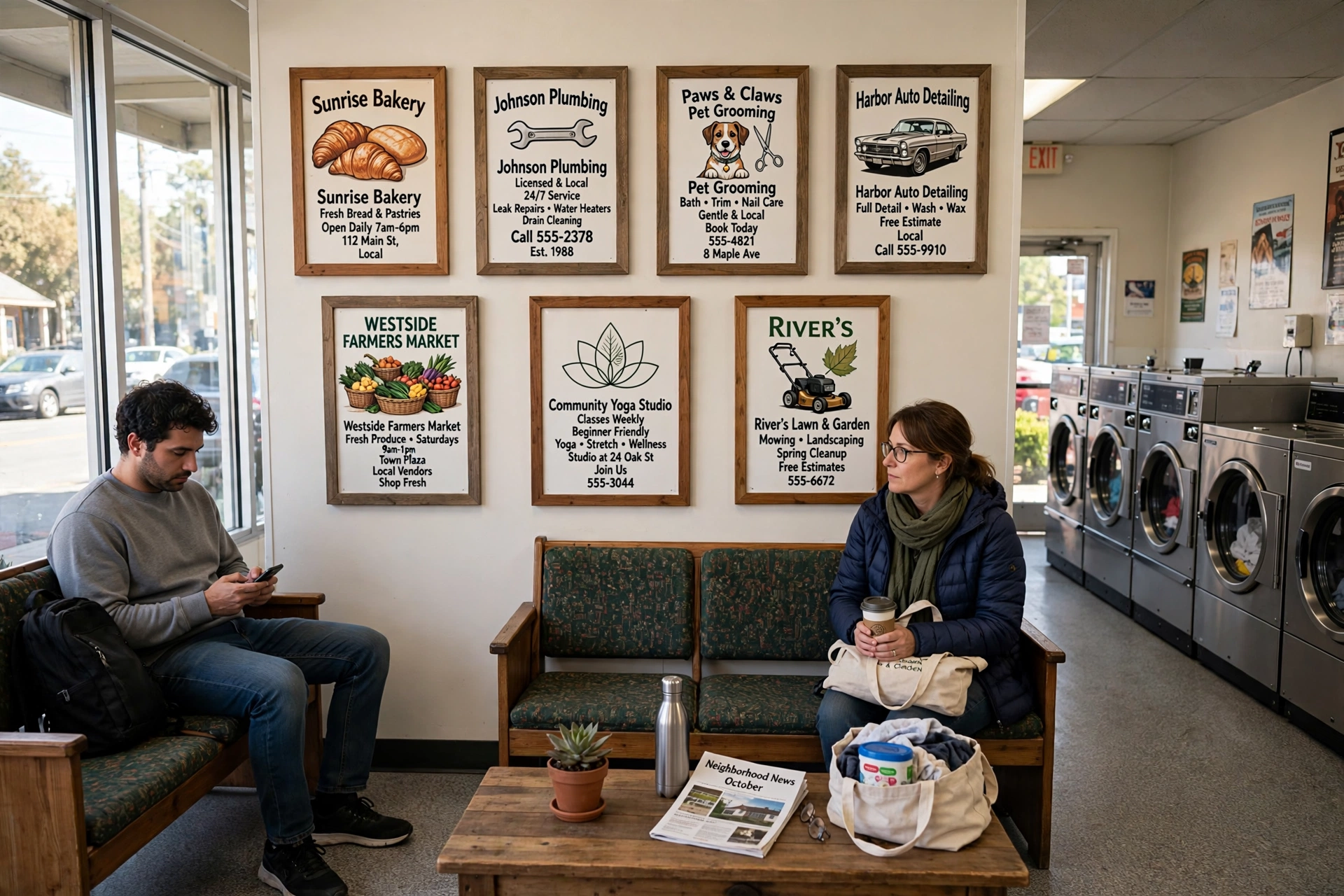
Your walls, windows, and even machine tops are advertising inventory — local businesses pay $100 to $500 a month for visible placement in a high-dwell-time location. Customers spend 30 to 90 minutes in laundromats, staring at walls; that’s premium attention for pizza shops, tax preparers, and auto dealers nearby.
Install simple poster frames and sell the space in 3-month blocks. It’s pure margin income that requires nothing but an initial conversation with neighboring businesses.
10. Scale to Multiple Locations
One laundromat is a job; three is a portfolio. Multi-unit owners centralize bookkeeping, maintenance contracts, and supply purchasing — dropping per-store costs 15 to 25% while tripling revenue. The second and third stores are dramatically easier than the first because your systems, vendors, and playbook already exist.
Buy within a 30-minute radius so one maintenance tech and one floater attendant can cover all locations. Portfolio sellers often offer package deals, and banks lend more readily against proven multi-unit cash flow.

Frequently Asked Questions
How much does it cost to buy a laundromat?
Existing profitable laundromats typically sell for $150,000 to $500,000 depending on size, location, and cash flow (usually 3–5x annual net). Seller financing is common, often requiring 30–50% down.
Are laundromats still profitable in 2026?
Yes — industry data shows average net margins of 20 to 35%, and demand is recession-resistant since people always need clean clothes. Stores with card payments, wash-and-fold, and commercial accounts significantly outperform coin-only operations.
How hands-off can laundromat ownership really be?
With remote management systems, card payments, and one part-time attendant, owners typically spend 5 to 10 hours a week on oversight. Fully unattended stores exist but perform better with light staffing for cleanliness and customer trust.
What’s the biggest risk in owning a laundromat?
Lease terms — a short lease or unreasonable landlord can destroy the investment, since relocating heavy equipment is prohibitively expensive. Never buy without a 10+ year lease (with renewal options) locked in first.
Conclusion
Laundromats reward systems thinkers: buy right, automate aggressively, and stack revenue streams until the store runs itself. Start by analyzing one existing store for sale in your area this month — the numbers will tell you quickly whether this hands-off income stream fits your goals.