Moving into a tiny house is not just downsizing — it is redesigning an entire life to fit a few hundred square feet. That is why a tiny house living planner sells so well on Etsy: buyers are not looking for decoration, they are looking for a system that stops a small space from becoming a stressful one. Minimalists, downsizers, and first-time tiny-home owners search for planners that answer one question at a time — where will everything go, where can I legally park, what will it cost, and how will water and power work? The six planners below each answer one of those questions completely, which is exactly how Etsy buyers choose. Design them cleanly, show a filled-in sample in the listing photos, and be honest about what each planner does and does not cover. A good tiny house planner also respects the buyer’s stage: someone still dreaming needs a layout planner, someone mid-build needs a budget planner, and someone about to move needs a downsizing checklist. Sellers who match the planner to the stage, and say so in the listing, convert browsers into buyers far more reliably than sellers who list a generic planner and hope it fits everyone. For more Etsy ideas, see these digital products that sell on Etsy.
1. Tiny House Floor Plan and Layout Planner
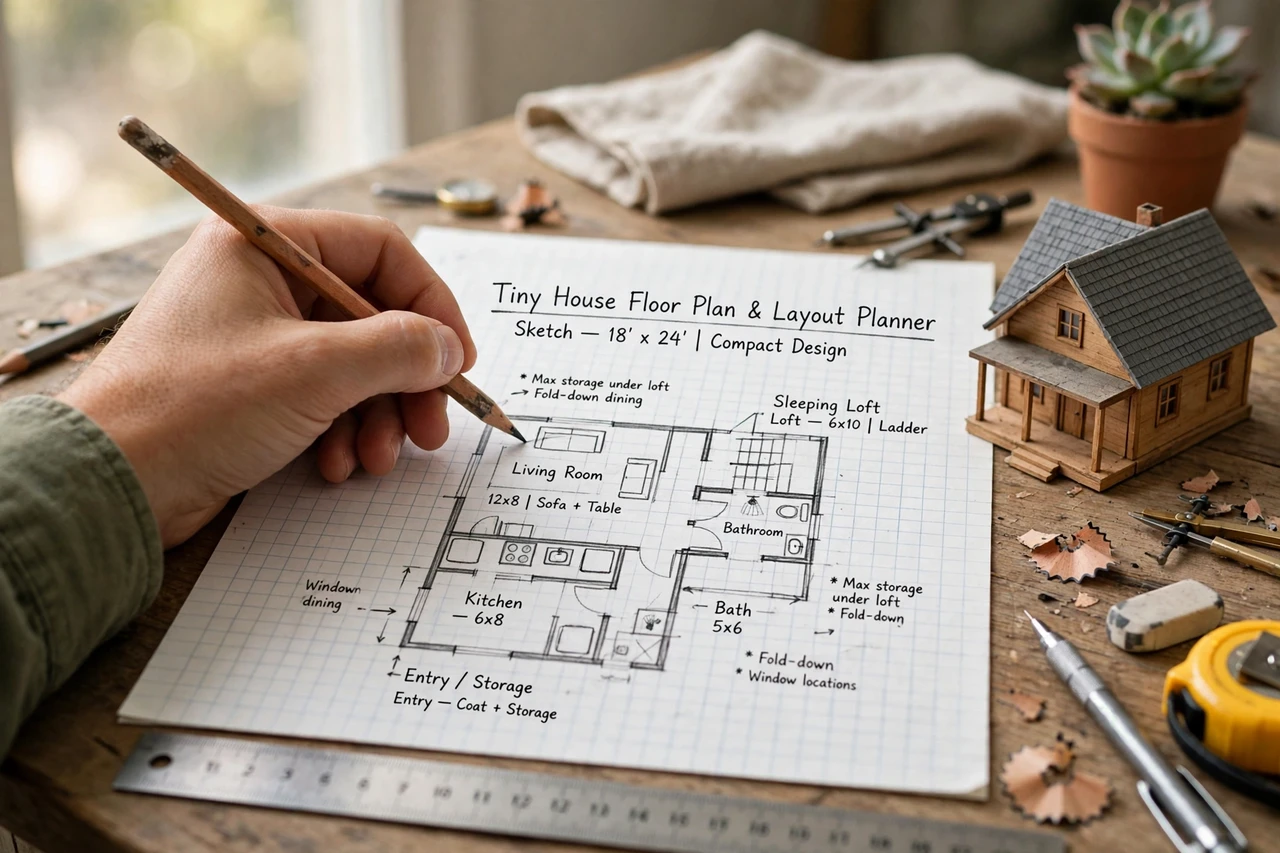
A floor plan and layout planner is the first product most tiny-house buyers need, because every inch matters when a home is under 400 square feet. This planner gives buyers grid pages, furniture templates, and prompts for mapping zones — sleeping, cooking, working, and storage — before they build or buy. Include examples of common layouts like lofts, gooseneck bedrooms, and studio-style plans. Buyers also use it to test storage ideas, like whether a fold-down desk or a murphy bed fits better in the main living area, before committing to a build. Include a scale note on every grid page so buyers measure furniture accurately, since a single wrong measurement can derail a whole layout.
2. Tiny House Storage and Decluttering Planner
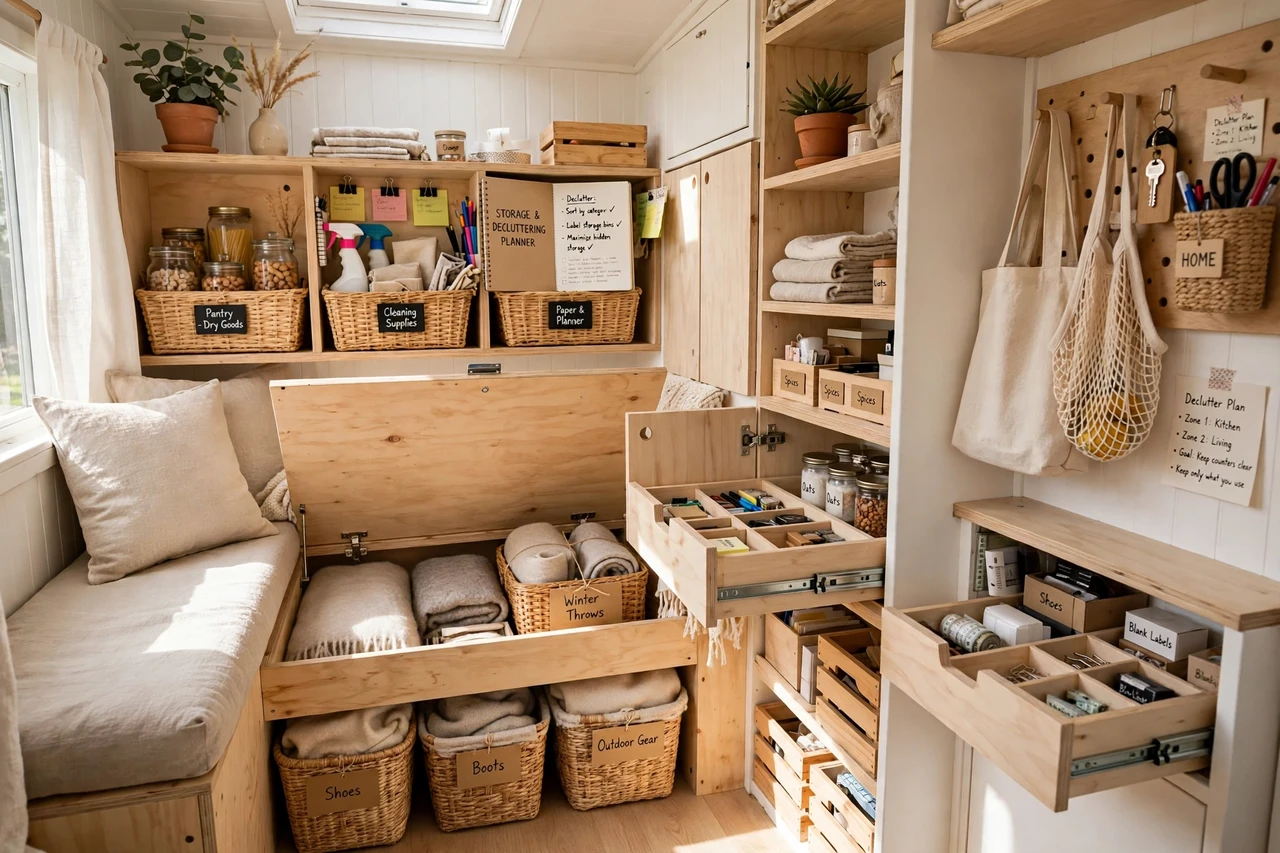
Storage is the daily reality of tiny living, and a storage and decluttering planner helps minimalists decide what earns a place in the house and what does not. Include room-by-room decluttering checklists, a keep-donate-sell decision page, and storage-zone maps for every nook, from under-bed drawers to loft cubbies. Minimalists buy this planner at two moments: before moving in, and again when clutter creeps back six months later. Include a one-in-one-out rule page, so every new item that enters the house means one old item leaves — the habit that keeps tiny spaces livable long term. A second version aimed at seasonal resets can double its sales life.
3. Tiny House Parking and Hookup Planner
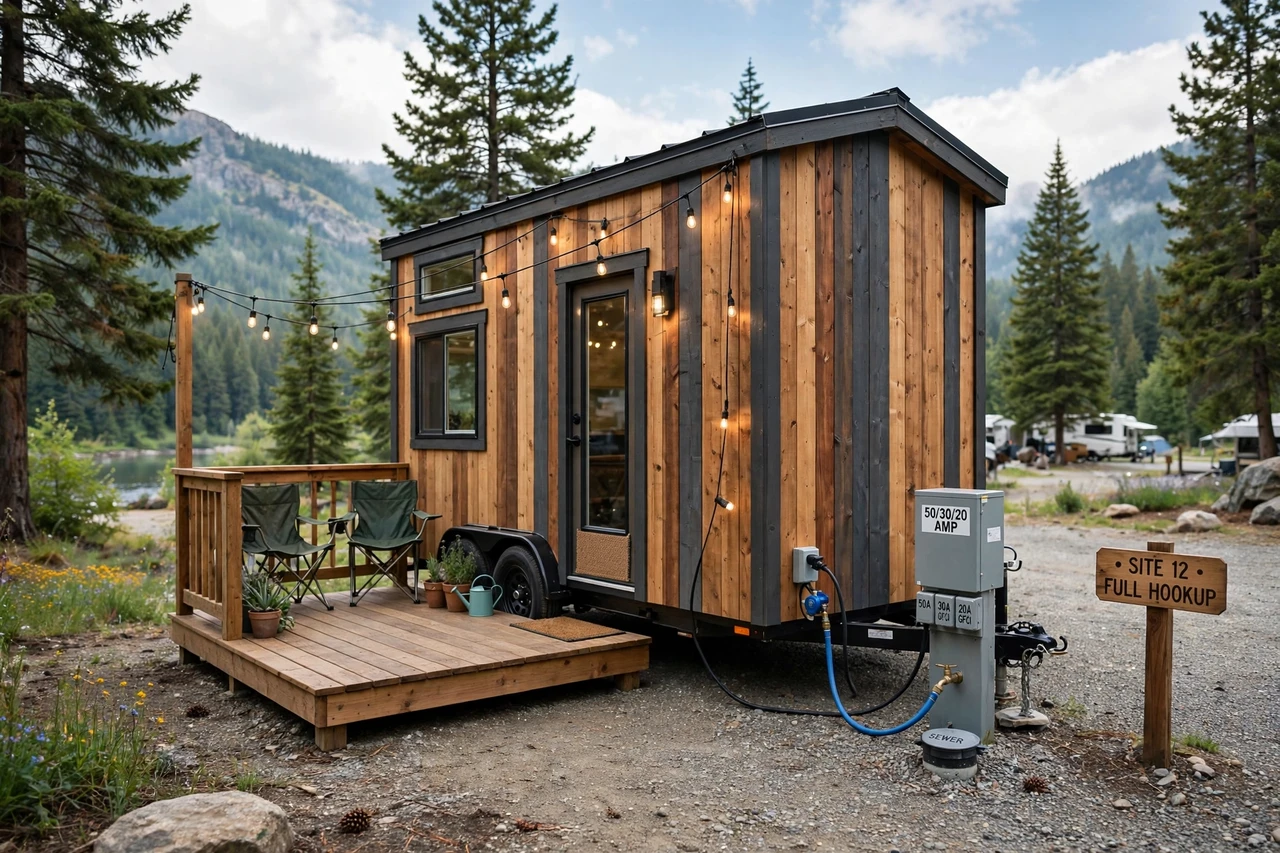
Where to park a tiny house on wheels is the question new owners underestimate most, and a parking and hookup planner answers it systematically. Include checklists for zoning rules, landowner agreements, water, sewer or septic, and electrical hookups, plus a log for tracking monthly parking costs and site contacts. A simple log for rent paid, utilities included, and the length of the agreement protects both the homeowner and the landowner if plans change. Be honest in the listing: rules vary by county and town, so the planner should prompt buyers to verify local regulations rather than promise a legal answer. Buyers facing this problem will pay for a checklist that keeps them from a costly forced move.
4. Tiny House Build Budget Planner
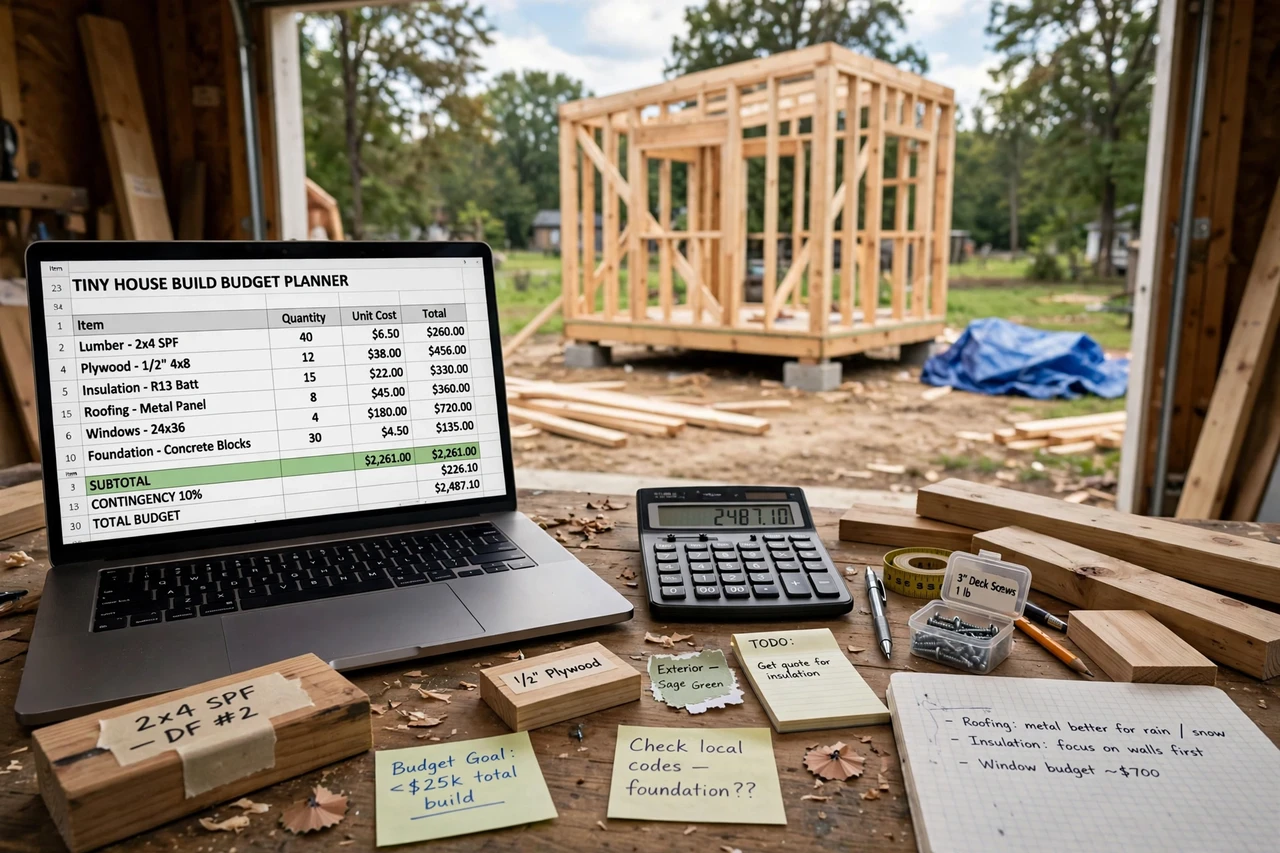
A build budget planner is the product that turns a dream tiny house into a priced project, tracking costs for the trailer, framing, insulation, plumbing, electrical, finishes, and appliances in one place. Include a running total column, a contingency line for overruns, and a comparison page for DIY versus professional costs on each item. Tiny-house builders search for budget tools early in their project, and a thorough planner earns reviews from people who actually used it to stay on budget. Track quotes from at least two suppliers for big items like windows and appliances, since prices vary widely and the savings add up fast. Offer it as a printable and a spreadsheet so buyers can choose their format.
5. Tiny House Off-Grid Systems Planner
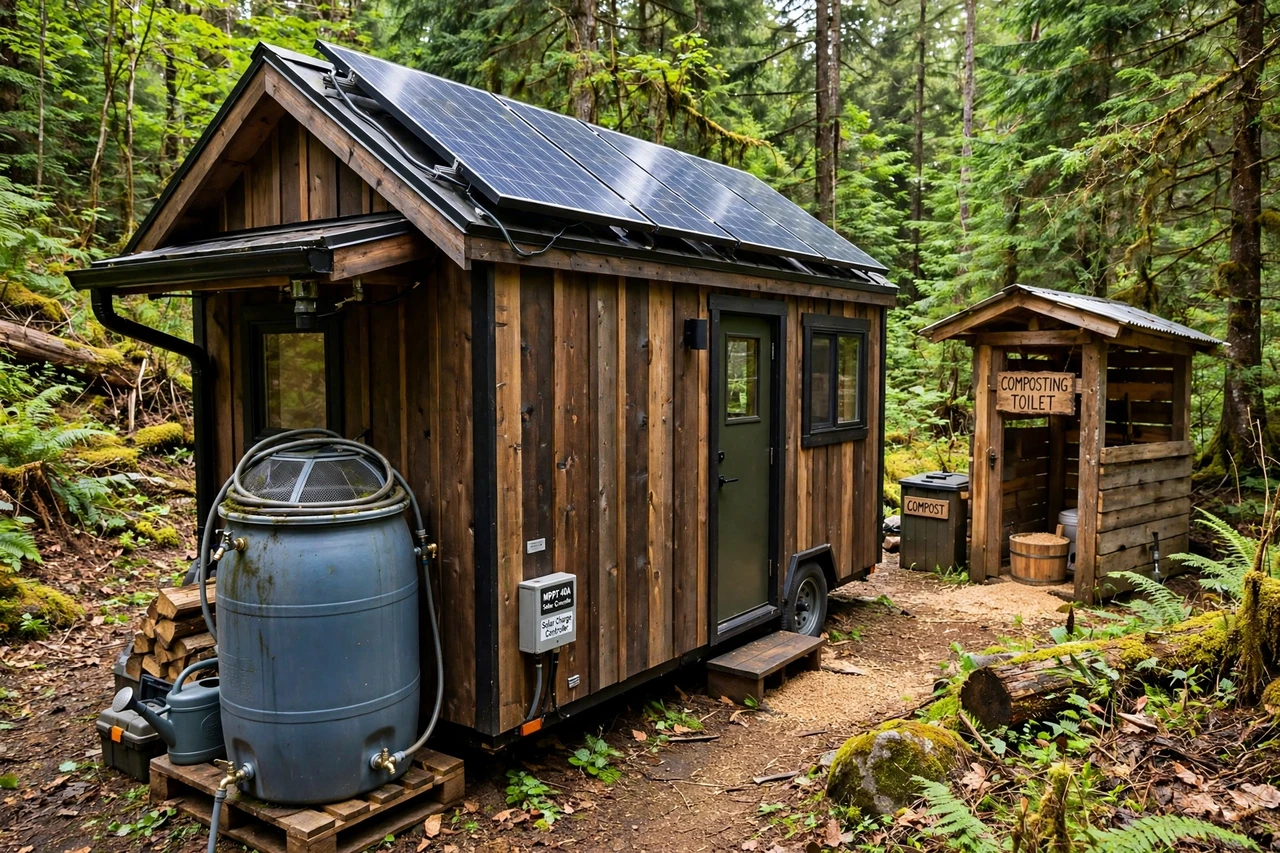
Many tiny houses run partly or fully off-grid, and an off-grid systems planner tracks the pieces buyers must size correctly: solar panels, batteries, water tanks, propane, and composting or septic systems. Include worksheets for estimating daily power and water use, maintenance schedules, and a log for system checks. A troubleshooting page for common problems, like low battery voltage or a slow water pump, helps owners fix small issues before they become expensive ones. This is a higher-priced, specialist product, and buyers expect accuracy — so base the worksheets on standard sizing methods and note where a professional should be consulted. A well-made systems planner attracts serious buyers, not casual browsers.
6. Tiny House Downsizing Move-In Checklist Planner
The final step is the move itself, and a downsizing move-in checklist planner walks minimalists through it week by week: what to sell, what to donate, what to store, and what actually comes in the moving truck. Include a countdown timeline, a box-labeling system, and a first-week essentials list for the first nights in the tiny house. Label every box by the zone it belongs in, not just the room it came from, so unpacking in a tiny space takes hours instead of days. This planner sells to people at the most emotional stage of the journey, so a calm, encouraging tone in the instructions matters as much as the checklists. Bundle it with the storage planner as a move-in package for a higher-priced listing.

Selling tiny house planners well comes down to one habit: show the planner working. Listings with a filled-in sample page, a clear page count, and an honest note about formats outsell prettier listings that hide the contents. Photograph the planner printed and in use if you can, and write the description for the buyer’s stage — dreaming, building, or moving — rather than for everyone at once. Buyers in this niche read descriptions carefully, because a planner that misses their problem is a wasted purchase in a small home with no room for waste. Get the problem, the stage, and the sample right, and a single planner often leads to a bundle sale. New sellers should also start with the planner they understand best from personal experience, since honest, specific descriptions are what buyers in this niche trust most. A planner written by someone who has actually lived small always reads differently from one assembled from generic advice. Learn how to start: create and sell digital products.
Frequently Asked Questions
What is a tiny house living planner? It is a printable or digital planner that helps tiny-house owners and future owners organize one part of tiny living — layout, storage, parking, budget, off-grid systems, or the move itself — in a structured, step-by-step format.
Do tiny house planners sell well on Etsy? Yes, because tiny living is a passionate niche with specific problems and few good tools. Planners that solve one clear problem, with sample pages shown in the listing, tend to outsell generic home planners.
Should planners be printable or digital? Offer printable PDFs as the standard, and add a tablet-friendly version if you can. Many tiny-house owners plan on paper during builds and moves, while others prefer a digital planner on a tablet.
How should sellers price tiny house planners? Single planners sell at a modest price, while bundles covering several stages of tiny living command more. Price by page count, design quality, and whether a spreadsheet version or instructions are included.
What should sellers avoid claiming in tiny house listings? Never promise that a parking plan is legal everywhere or that an off-grid system design is professionally certified. Prompt buyers to verify local zoning rules and consult licensed professionals where safety or law is involved.