

Idle cash is money sitting in a checking account or a drawer that could be earning something instead, and learning how to earn interest on idle cash is one of the easiest wins in personal finance. The trick is matching each pile of cash to the right place: money you might need tomorrow belongs somewhere different from money you will not touch for a year. This guide covers the main vehicles available to US savers in plain language, without quoting rates that change constantly. Check current terms before you move money, and remember this is general education only, not personal financial advice. For individual decisions, a qualified advisor can help you weigh your options.
1. Park Ready Cash in a Standard Savings Account
A standard savings account is the simplest home for idle cash you may need soon. Your money stays accessible, it is typically covered by deposit insurance up to current limits, and it earns interest while it waits. It will not be the highest-earning option, but for cash you might need on short notice, accessibility matters more than squeezing out extra earnings.
Use this account for your first layer of savings: a small buffer, money set aside for upcoming bills, or funds you are still deciding how to use. Keeping this layer separate from your checking account also makes it less likely you will spend it by accident.

2. Use a Money Market Account for Flexible Cash Access
A money market account blends features of savings and checking accounts. It usually earns interest, may offer check-writing or a debit card, and keeps your cash relatively accessible. That flexibility makes it a good fit for idle cash you want to keep working while retaining the option to spend it without a long transfer wait.
Watch the fine print, though: some money market accounts require a minimum balance to earn interest or to avoid fees, and withdrawal rules can vary. Compare those conditions against a plain savings account before choosing, especially if your balance is modest.
For more ideas, see passive income ideas that actually work.

3. Set Aside Part of Your Cash in a Certificate of Deposit
A certificate of deposit, or CD, asks you to leave money untouched for a set term in exchange for interest. Terms can range from a few months to several years, and longer terms have historically offered different rates than shorter ones, though that is not always true. CDs suit cash you are confident you will not need before the term ends.
The main trade-off is access: withdrawing early usually triggers a penalty that can reduce your earnings. Only put money into a CD that you can genuinely leave alone, and read the early-withdrawal penalty in the disclosure before you commit.

4. Stagger Certificates of Deposit So Cash Frees Up Regularly
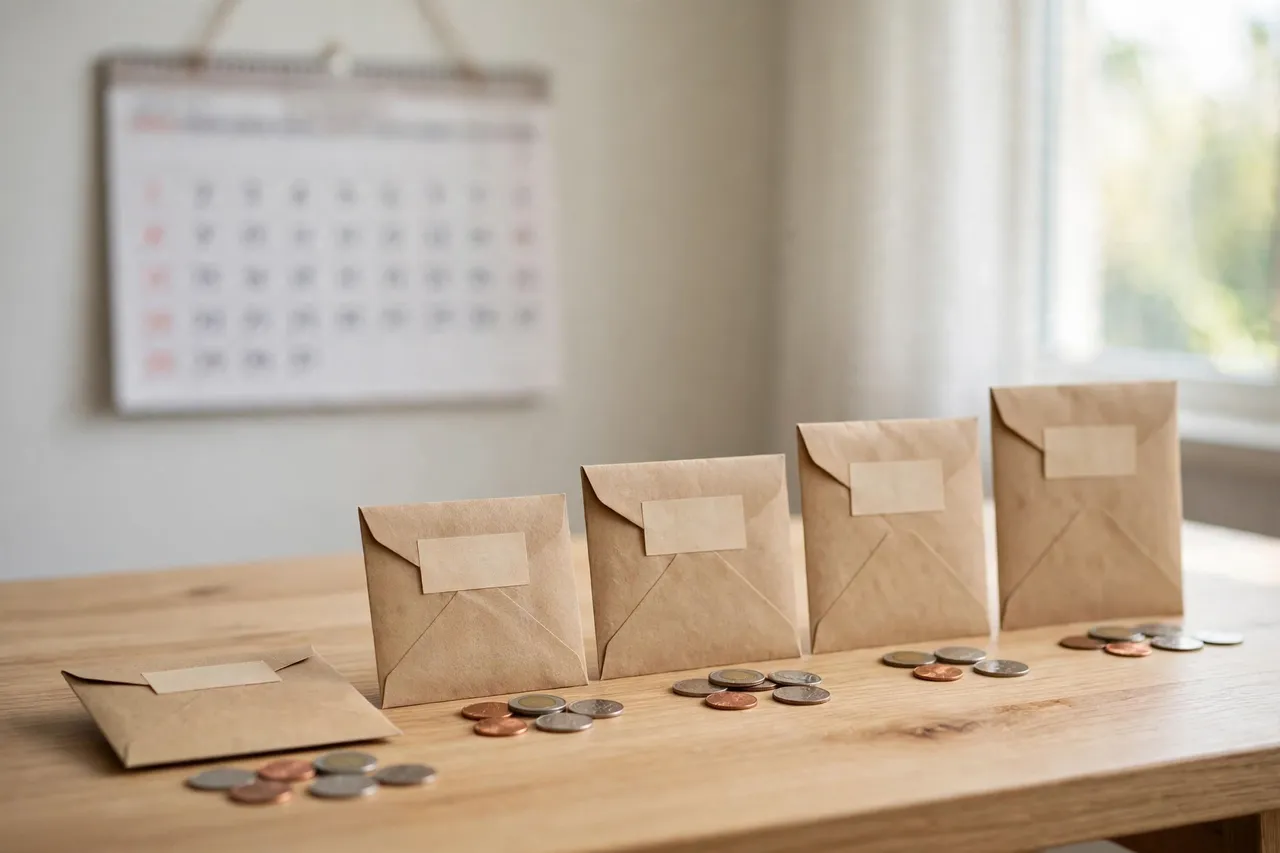
Staggering CDs means splitting your money into several CDs with different maturity dates instead of locking it all into one term. As each CD matures, you can use the cash, reinvest it, or move it elsewhere. This gives you regular access points while still earning interest on money that is tied up.
A simple version uses equal amounts maturing at regular intervals, such as every few months or every year. When a CD matures, decide fresh based on your current needs and the terms available then, rather than automatically rolling everything over without thinking.
5. Consider Short-Term Treasury Bills for Cash You Can Wait For
Treasury bills are short-term securities issued by the US government, typically maturing in a year or less. They are widely regarded as lower-risk instruments because they are backed by the federal government, though no investment is entirely without risk. They can be a reasonable home for idle cash you will not need for a few months.
You can buy Treasury bills directly or through a brokerage, and it helps to understand how they are priced and how you get your money back at maturity. As with any option here, check current terms and make sure the maturity date lines up with when you expect to need the cash.
For income holdings, see our dividend investing tips for passive income.

6. Explore Treasury Notes for Cash With a Longer Horizon
Treasury notes work similarly to Treasury bills but mature over a longer period, generally a few years, and pay interest at regular intervals. They suit idle cash earmarked for a goal a few years away, such as a future home purchase fund or a planned large expense you are saving toward gradually.
The longer horizon brings a trade-off: if you need the money sooner than planned, you may have to sell before maturity, and the price you receive can be higher or lower than what you paid. Only choose a note whose timeline you are comfortable holding through.

7. Learn How Series I Savings Bonds Fit a Long-Term Cash Plan
Series I savings bonds are US government savings bonds designed to protect purchasing power over time, with interest that adjusts based on inflation measures. They are bought directly from the government, have purchase limits, and generally cannot be redeemed for a minimum holding period, with an interest penalty if redeemed within a certain early window.
Because of those rules, Series I bonds fit long-term idle cash better than money you might need next month. Read the current purchase limits, holding rules, and redemption terms carefully before buying, since these details change and they shape whether this vehicle suits your plan.

8. Consider Municipal Bonds Only After Understanding the Tax Angle
Municipal bonds are issued by state and local governments to fund public projects, and their interest is often exempt from federal income tax, and sometimes from state tax if you live in the issuing state. That tax treatment is the main reason some savers consider them for idle cash in taxable accounts.
Tax-exempt does not mean without risk, and it is not right for everyone. Municipal bonds vary in quality, maturity, and liquidity, and the tax benefit depends on your tax bracket and state. Discuss the trade-offs with a qualified advisor before adding them to your cash plan.

9. Use a Cash Management Account to Hold Spending and Investing Cash Together
A cash management account, often offered by brokerages or financial firms, combines banking-like features with investing access in one place. Your idle cash can earn interest while sitting ready to invest, pay bills, or transfer elsewhere, without moving between separate institutions.
Check how the account handles deposit insurance, since coverage may work differently than at a traditional bank, with cash swept to partner banks under specific rules. Understand the sweep arrangement and any fees before treating this as your main cash home.

10. Separate Short-Term Goal Money From Everyday Cash
Cash for a vacation, a car repair fund, or a holiday budget earns nothing extra if it is mixed into your everyday checking balance, where it is easy to spend. Giving each short-term goal its own savings pocket, whether a separate account or a labeled sub-account, keeps the money visible and protected from daily spending.
This separation also clarifies which vehicle fits each goal. Money needed in a few weeks belongs in an accessible account, while money needed in a year might suit a short CD or Treasury bill. Naming the goal and its date makes that choice obvious.

11. Weigh Easy Access Against Higher Earnings on Idle Cash
Every idle-cash vehicle trades access for earnings in some way. Fully accessible cash earns less, while cash locked away for a term may earn more but cannot be reached quickly without cost. There is no universally best point on that spectrum; the right balance depends on when you will need each pile of money.
Before moving cash, ask one question: when is the earliest I might need this, and what would it cost me to reach it early? Answering honestly prevents the common mistake of chasing earnings with money that should have stayed accessible.

12. Build a Tiered Idle-Cash Plan Based on When You Need the Money
A tiered plan brings all of the above together. The first tier is cash you may need immediately, kept in an accessible savings or money market account. The second tier is cash for the coming months, which might sit in staggered CDs or short-term Treasury bills. The third tier is cash for goals years away, where longer-term vehicles may fit.
Review your tiers once or twice a year and shift money as goals move closer. A goal that was years away becomes a near-term need, and its cash should move to a more accessible tier well before the date arrives. That simple rhythm keeps your idle cash earning without ever leaving you short when it matters.

Frequently Asked Questions
What is idle cash, exactly?
Idle cash is money that is not currently earning interest or working toward a goal, such as extra funds sitting in a checking account. Moving it to an appropriate savings or investment vehicle lets it earn while it waits.
Is it safe to move idle cash out of my checking account?
It can be, provided you keep enough accessible cash for bills and emergencies and choose insured or well-understood vehicles. Never lock away money you might need urgently, and confirm deposit insurance where it applies.
Which idle-cash option earns the most interest?
There is no fixed answer, because rates and terms change over time and different vehicles suit different timelines. Compare current terms for your specific horizon rather than relying on a ranking that may already be out of date.
Can I lose money on Treasury securities or bonds?
Yes, in some circumstances, such as selling before maturity when prices have moved, or if an issuer faces financial trouble. Government securities are generally considered lower risk, but no investment is entirely without risk.
How often should I review my idle-cash plan?
Once or twice a year is plenty for most people, plus a review whenever a goal’s date changes. Regular, calm reviews beat frequent reshuffling, which usually adds effort without adding earnings.