High-yield savings accounts are one of the simplest places for beginners to earn passive income, because your money stays accessible while earning interest that a standard checking account usually does not offer. The catch is that rates change over time, account terms vary widely, and the account with the flashiest advertised rate is not always the best fit for your needs. This guide walks through how to choose and use one wisely, so you can compare accounts on features, fees, insurance, and access rather than on a single number. Interest earned is general education only here, not personal financial advice, and you should always check an account’s current terms before opening it.
1. Compare Account Features Beyond the Advertised Rate
An advertised rate is only one part of an account. Look also at how easy it is to deposit and withdraw money, whether the bank offers a usable mobile app, how quickly customer support responds, and whether you can set up automatic transfers and savings goals. An account that is awkward to use may discourage the very saving habit it is meant to support.
Make a short checklist of what matters to you before you compare accounts, and score each option against it. If you value fast transfers above all else, that should weigh more than a small rate difference. Choosing on your own priorities, rather than on marketing, leads to an account you will actually keep using.

2. Confirm Deposit Insurance Coverage Before You Open an Account
Deposit insurance is one of the most important protections for savings. Accounts at banks are typically covered by the FDIC, while accounts at credit unions are typically covered by the NCUA, each up to its current coverage limits and rules. Before you open an account, confirm which insurer covers it and whether your balance would fall within those limits.
Do not assume coverage from a brand name or a website badge alone. Check the institution’s own disclosures and, when in doubt, ask directly. If you hold large balances, understanding how coverage applies across accounts and ownership types is worth a conversation with a qualified advisor.

3. Learn How Interest Accrues and When It Is Credited
Two accounts can advertise similar rates yet credit interest differently. Some calculate interest on your daily balance, others on an average balance, and some only pay interest above a minimum balance. Interest may be credited monthly or on another schedule, and that timing affects how quickly your balance grows.
Read the account disclosure for the calculation method and the crediting schedule, and ask the bank to explain anything unclear. Understanding these mechanics helps you compare accounts fairly and avoids surprises when your first interest payment arrives smaller than you expected.
New to passive income? Start with these passive income ideas for beginners.
4. Spot Fees That Quietly Reduce Your Earnings
Fees can undo the benefit of a higher rate, especially on modest balances. Common charges to check include monthly maintenance fees, excess-transaction fees, wire transfer fees, and fees for paper statements or dormant accounts. Some accounts waive fees if you meet certain conditions, such as a minimum balance or a regular direct deposit.
Add up the fees you would realistically pay in a year and compare that total against the interest you expect to earn. An account with no monthly fee and simple terms often beats a higher-rate account loaded with conditions you are unlikely to meet.
5. Test Transfer Speed and Withdrawal Rules Before You Rely on the Account
A savings account is most useful when you know exactly how fast you can get your money out. Transfers between banks can take a day or several days, some accounts limit the number of certain withdrawals per month, and large transfers may need extra verification. Discovering these rules during an emergency is the worst possible time.
Before you depend on the account, try a small test transfer in both directions and note how long each takes. Keep a small buffer in a more immediately accessible account if you need same-day access, and treat the savings account as a place for money you can wait a short while to reach.
6. Give Your Emergency Fund Its Own Separate Account
Mixing emergency savings with everyday spending money makes it easy to dip into the reserve without noticing. A separate high-yield savings account, ideally one you do not see every time you check your checking balance, creates a helpful barrier. The money is still accessible when you truly need it, but it is not sitting in the path of daily purchases.
Name the account for its purpose, such as “Emergency Fund,” if your bank allows nicknames, and set a target that feels realistic for your situation. The separation is psychological as much as practical, and it helps many savers leave the fund untouched until a real emergency arrives.
Avoid common errors — read these passive income mistakes to avoid.

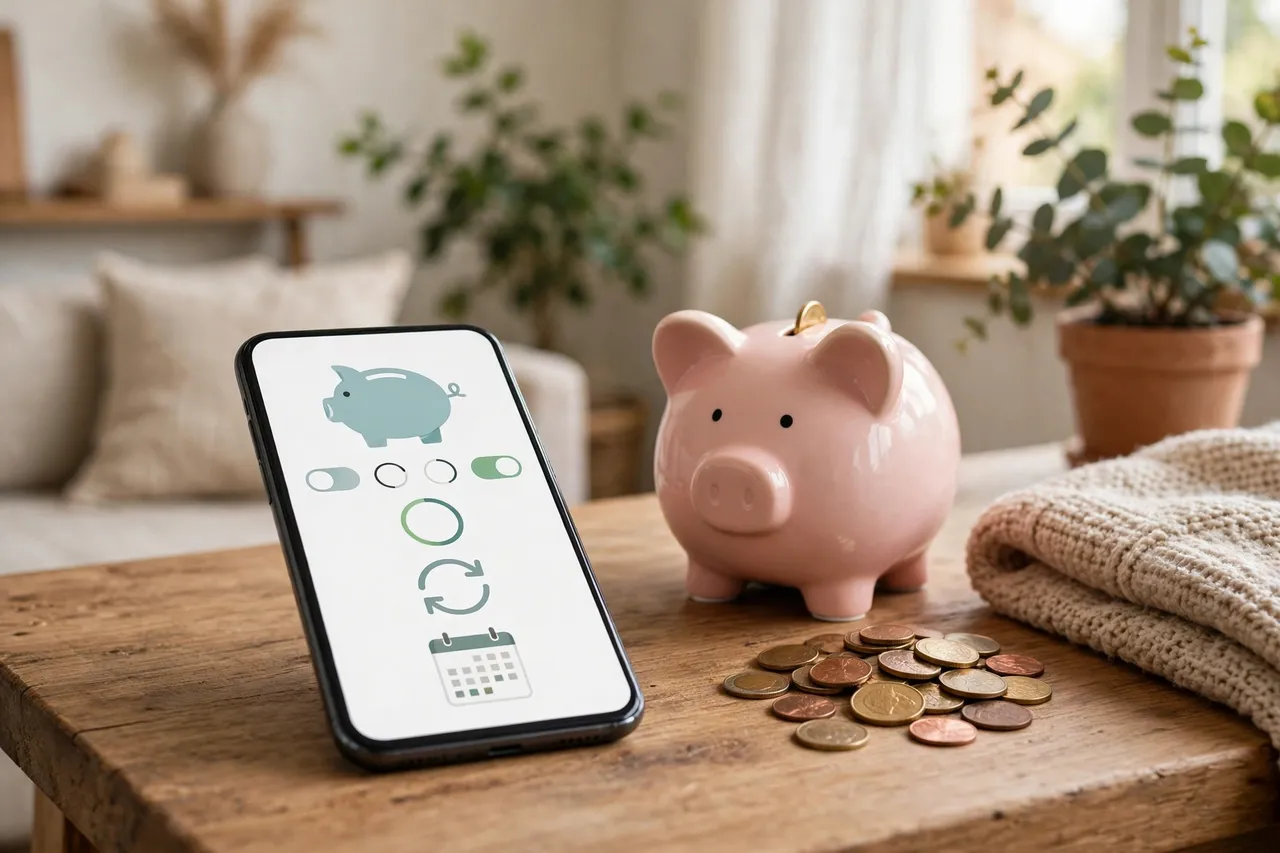
7. Automate Small Regular Deposits Into Your Savings
Interest alone will not build meaningful savings; regular deposits do most of the work. Setting up an automatic transfer on payday, even a modest one, turns saving into a default rather than a decision you must remake each month. Over time, those steady deposits matter far more than small differences between account rates.
Start with an amount you can sustain without stress, and increase it gradually when your income rises or an expense ends. If an automatic transfer ever feels tight, lower it rather than stopping altogether, because keeping the habit alive is what makes the system work.
8. Weigh Online Banks, Credit Unions, and Traditional Banks
Online banks often offer competitive rates because they run fewer branches, credit unions may offer member-focused service and community ties, and traditional banks offer in-person branches and broad ATM networks. None of these is automatically best; the right choice depends on how you bank and what support you want.
Consider how often you visit a branch, whether you need cash deposits, and how comfortable you are managing everything online. Some people split their savings, keeping one account at an online bank for growth and another at a local institution for convenience. That split is perfectly reasonable if it fits your life.

9. Read How and When the Bank Can Change Terms
Savings account rates are usually variable, which means the bank can raise or lower them as market conditions change. Fees, minimums, and other terms can also change, typically with advance notice. Understanding this before you open an account prevents the feeling of being misled when a rate moves.
Look for the section of the disclosure that explains rate changes and notice periods, and check whether the bank has a history of communicating changes clearly. A bank that explains changes promptly and plainly is easier to trust with your savings over the long term.

10. Revisit Your Account Each Year and Switch When It No Longer Fits
Loyalty to a savings account is only useful while the account still serves you. Once a year, compare your current account’s rate, fees, and features against what else is available, and check whether your needs have changed. Switching is usually straightforward, and many banks make it easy to move money electronically.
Do not switch constantly in pursuit of tiny rate differences, since that adds paperwork and the risk of missed transfers. Switch when the gap is meaningful or when fees, service, or access have genuinely worsened. A calm annual review keeps your savings working for you without turning account management into a hobby.

Frequently Asked Questions
Is a high-yield savings account safe for my money?
Accounts at insured banks and credit unions carry deposit insurance up to current coverage limits, which is a strong protection for ordinary savings. Always confirm the insurer and the applicable limits before opening an account, especially for large balances.
Can I withdraw money from a high-yield savings account anytime?
Usually yes, but transfers can take time and some accounts limit certain withdrawals. Test transfer speeds early and keep immediately needed cash somewhere you can reach the same day.
Do high-yield savings account rates stay the same?
No, rates are typically variable and move with market conditions, so the rate you see when you open an account can change. Check current terms regularly rather than assuming an advertised rate will last.
How much should I keep in a high-yield savings account?
That depends on your income, expenses, and goals. Many people use one for an emergency reserve and short-term goals, while investing money they will not need for many years elsewhere. A qualified advisor can help you think through your own target.
Are online high-yield savings accounts trustworthy?
Many are, provided they are insured institutions with clear disclosures and responsive support. Verify insurance coverage, read the terms, and test customer service with a question before moving a large balance.