Someone just joined your email list, and the next five minutes decide whether they ever buy your course. That is why welcome email sequence templates for course creators are such a strong digital product: course creators know the welcome sequence does the selling, but most of them stare at a blank email editor instead of writing it. If you can package ready-to-customize email templates that guide a subscriber from hello to enrollment, you have a product creators will happily pay for. Here are ten templates every welcome sequence needs.
1. The Warm Welcome Email That Sets Expectations
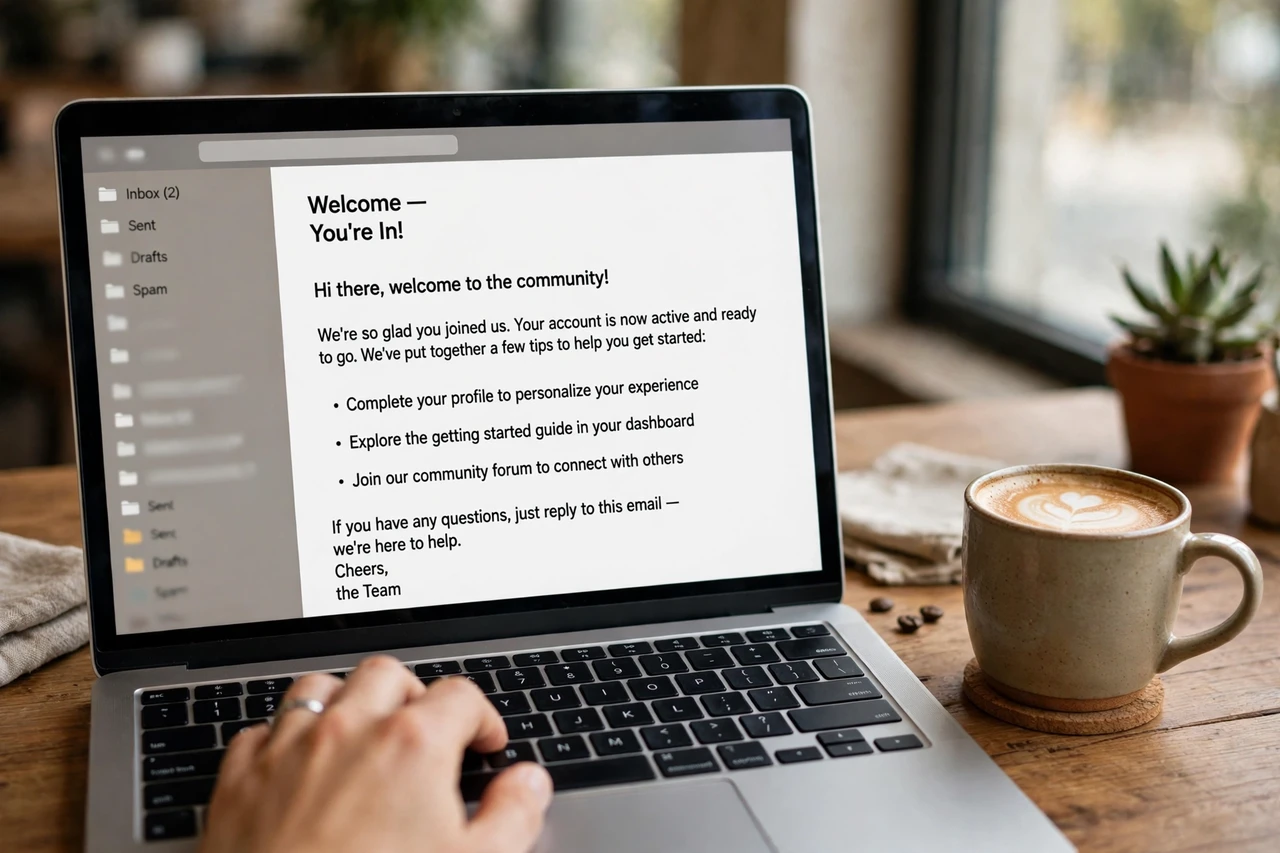
The first email should arrive within minutes of signup and do three things: thank the subscriber, tell them exactly what they will receive, and tell them when. This template should include a friendly greeting, a short line about what makes the course different, and a simple promise about email frequency. Creators buy this template because a clear first email cuts unsubscribes from day one.
Tip: include a subject line and a preview text line in the template, since many creators forget the preview text is half the reason an email gets opened.
2. Your Story Email That Builds Trust Fast

People buy courses from people they trust, and trust starts with a story. This template helps a creator share how they learned the skill, the mistake that taught them the most, and why they started teaching it — all in a short, honest email. Keep the structure simple: struggle, turning point, result, and an invitation to reply with the reader’s own story.
Tip: add a prompt at the end asking subscribers to reply, because replies improve deliverability and give creators real language from their audience.
3. The Quick Win Email That Gets Students Started
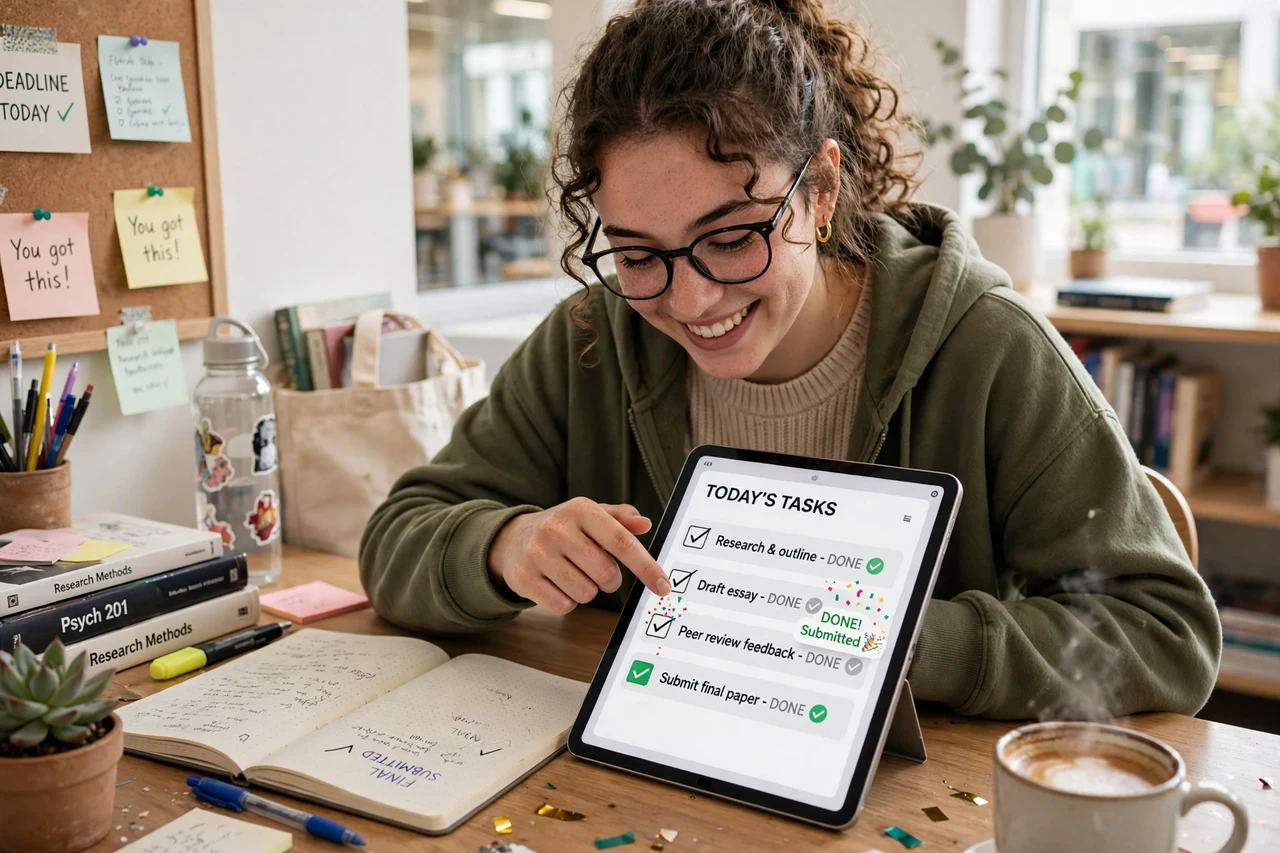
A quick win email gives the subscriber one small, useful result before they ever pay anything. This template should include a short lesson, a five-minute exercise, and a clear “you just did it” payoff line. When a subscriber gets a result from a free email, buying the full course feels like the obvious next step.
Tip: make the exercise genuinely completable in five minutes — a quick win that takes an hour is just homework, and subscribers will not finish it.
4. The Course Tour Email That Shows What’s Inside
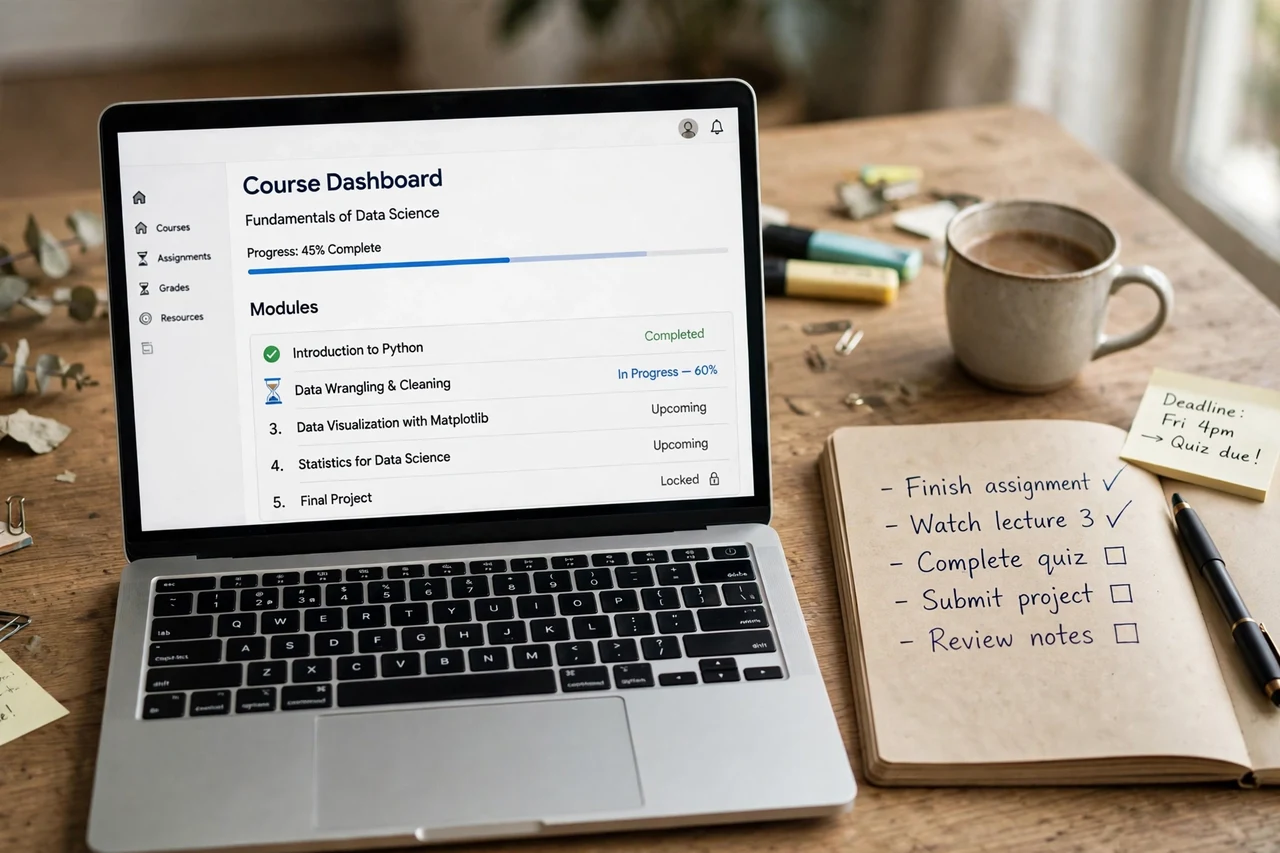
Subscribers cannot buy what they cannot picture, so this template walks them through the course module by module. Include a simple layout for each module’s title, what the student will learn, and how long it takes, plus a short note on who the course is and is not for. Honesty here builds the trust that closes sales later.
Tip: add a placeholder for a short video or screenshot of the course dashboard, since seeing the inside of a course removes a big buying doubt.
5. The Student Success Story Email That Proves Results

Claims are forgettable, but a student’s story sticks. This template frames one real result as a short narrative: where the student started, what they did in the course, and where they are now. Include a quote layout, a before-and-after line, and a gentle link back to the course page. Creators with even one good student story can reuse this template for every launch. The same proof-first approach works for services too — these steps to land your first freelance client start with showing results, not promises. [ADDED LINK]
Tip: leave a clear note that results must be real and typical — never invent a success story, and remind buyers to use their own student quotes.
6. The Common Mistakes Email That Prevents Drop-Offs

This template lists the three or four mistakes beginners always make, explains why each one hurts, and shows the better way — which naturally happens to be what the course teaches. It is one of the highest-value emails in a sequence because it proves the creator’s expertise without a hard sell. Subscribers forward this kind of email, which grows the list for free. Forwardable content is a growth channel on its own — these ways to get clients with content marketing use the same idea. [ADDED LINK]
Tip: number the mistakes and keep each one to two or three sentences, so the email reads like a quick checklist instead of a lecture.
7. The Bonus and Resource Email That Adds Value
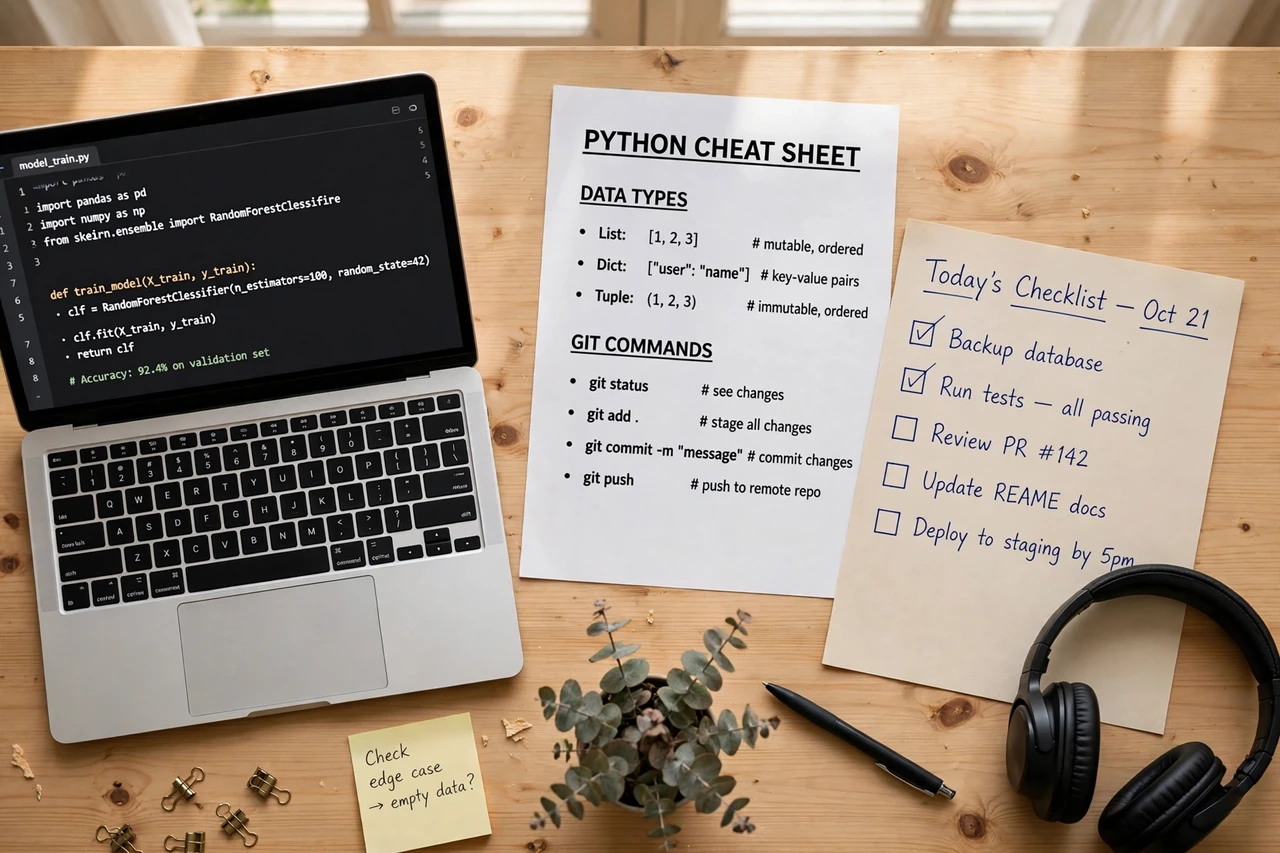
A bonus email delivers something extra: a cheat sheet, a checklist, a template, or a short video that subscribers were not expecting. This template should include a clear download link, a one-line description of what the bonus does, and a soft mention that course students get the full resource library. Unexpected value is what turns a subscriber into a fan.
Tip: include a placeholder for the bonus file link and a fallback line for creators who deliver bonuses inside their course platform instead.
8. The Limited-Time Offer Email That Drives Enrollment
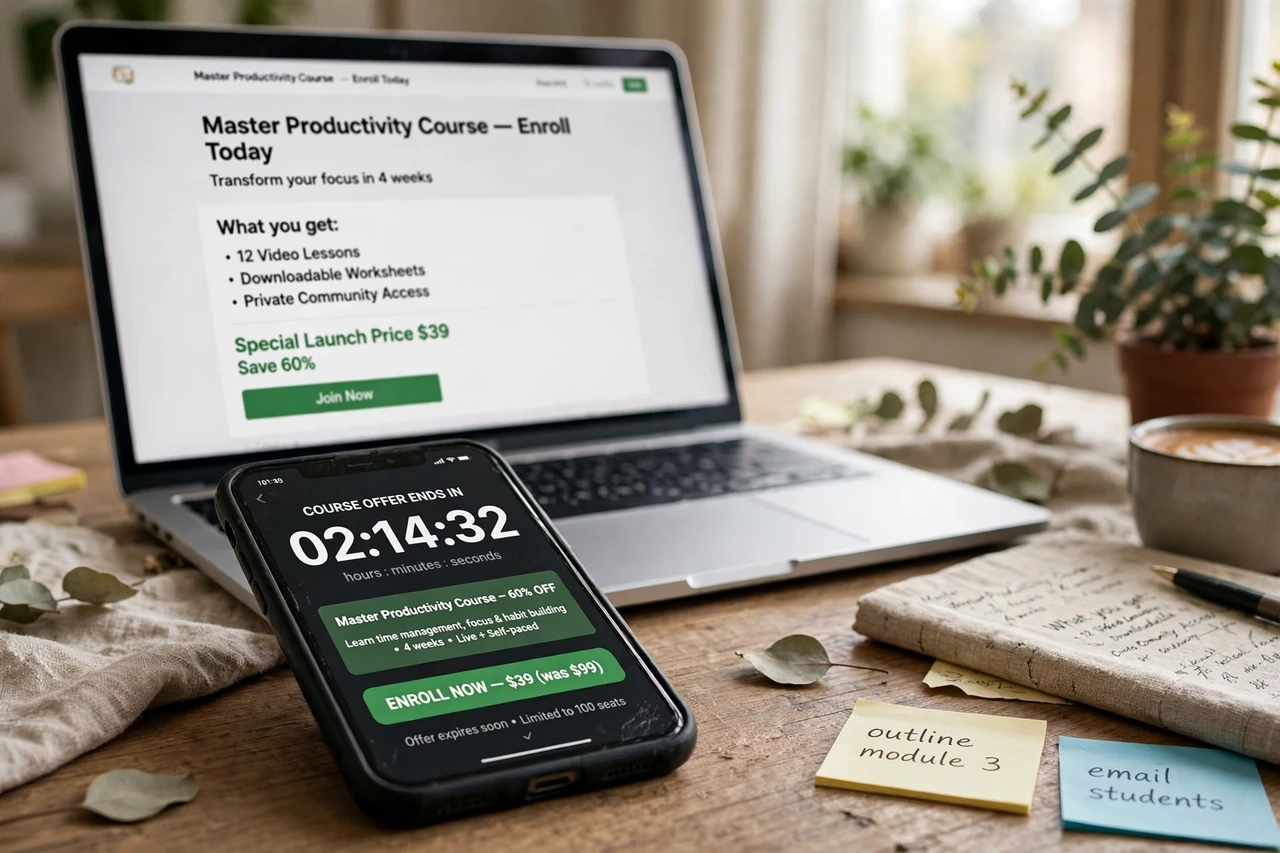
Every welcome sequence needs an offer email with a real reason to act now — a launch price, a closing bonus, or a limited number of seats. This template should include a clear price, what is included, the deadline, and a simple call to action. The key is honest urgency: a fake deadline that never ends destroys trust and future sales.
Tip: add two deadline options in the template notes — a fixed date and a countdown timer link — so creators can use whichever fits their launch style.
9. The FAQ Email That Answers Buying Objections

Most subscribers who do not buy are stuck on the same few questions: how much time it takes, whether it works for beginners, and what happens if it is not for them. This template answers those objections in a friendly question-and-answer layout, including a clear refund policy line. Answering objections in email is far more effective than hoping subscribers find the FAQ page.
Tip: include five common questions as a starting point, and leave space for creators to add the one objection their own audience asks most.
10. The Final Invitation Email That Closes the Sale
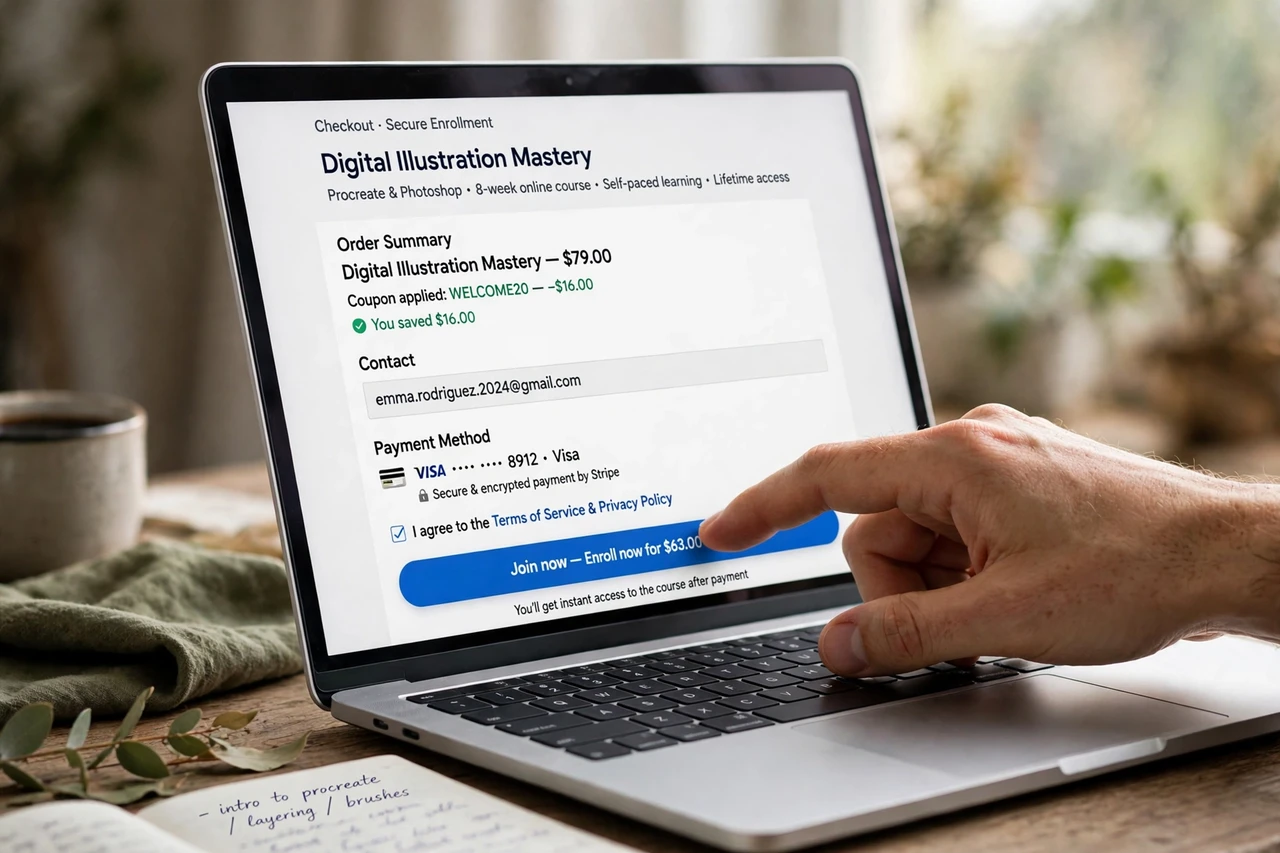
The last email in the sequence is a simple, direct invitation: the offer is closing, here is the link, and here is what happens after enrollment. This template should be short, warm, and clear, with one call to action and a line that says it is fine to stay on the list even if now is not the right time. A graceful close keeps the subscriber for the next launch.
Tip: keep this email under 200 words in your example copy — a long final email buries the one thing that matters, the enrollment link.
Frequently Asked Questions
Do welcome email sequence templates for course creators actually sell?
Yes. Course creators know email sells courses, but writing a seven-email sequence from scratch is slow and intimidating. A ready-made template pack that covers welcome, trust, proof, and offer emails solves a painful, specific problem — and that is exactly what sells as a digital product.
How many emails should a welcome sequence have?
Five to seven emails over seven to ten days is the standard: a welcome, a story, a quick win, a tour or proof email, an offer, and a final invitation. This pack covers ten templates so creators can pick the ones that fit their course and launch style.
What format should I deliver the templates in?
Google Docs or a simple document file is the most popular format, since creators copy the text into their email tool and customize it. Include a short setup guide that explains the order to send the emails and how long to wait between them.
How much can I charge for a welcome email template pack?
Most packs sell for $19 to $49, depending on how many emails are included and whether you add bonuses like subject line swipe files or a setup guide. A pack with launch-timing guidance and example copy can command the higher end of that range.
Do buyers need email marketing experience to use these templates?
No, and that is the selling point. Each template should include bracketed placeholders like [Your Course Name] and [Your Story] plus a short note on how to fill them in, so even a first-time creator can customize the whole sequence in an afternoon.
A welcome sequence is the hardest-working asset a course creator owns — it sells while they sleep, answers objections before they are asked, and turns strangers into students. Build this template pack once, fill it with copy that actually teaches and persuades, and sell it to every creator who would rather teach than write emails. That is a product with a real, repeatable market.