
One-off freelance gigs pay the bills this month and leave next month a mystery. A retainer changes that: a client pays you a fixed amount every month for a set amount of work, and you get income you can plan around. The retainer package ideas in this list are built for beginners — each one packages a skill you probably already sell by the project into a simple monthly offer. You do not need a big agency or a fancy sales page. You need one clear package, one fair price, and one client willing to try it for a month. Here are nine that work.
1. Monthly Content Writing Retainer

A content writing retainer is the easiest retainer to sell, because blogs and businesses always need new articles. Offer a fixed number of blog posts or articles each month — for example, four posts of a set length — for one monthly price. The client gets a steady stream of content without finding a new writer every week, and you get a predictable payday for work you already know how to do. Content retainers pair well with a steady pipeline — these ways to get clients with content marketing keep new clients coming. [ADDED LINK]
Tip: include one round of revisions and a simple monthly topic plan in the package, so the client never has to chase you for ideas or wonder what comes next.
2. Social Media Management Retainer

Small businesses know they should post every day, but the owner rarely has time. A social media management retainer covers a set number of posts per week, replies to comments, and a monthly report on what worked. Price it by the number of platforms and posts, not by the hour, so the client can see exactly what they get for their money.
Tip: start with one platform and one posting schedule, and add a second platform as a paid upgrade once the first month runs smoothly.
3. Website Care and Maintenance Retainer

Every website needs updates, backups, and small fixes, and most owners put them off until something breaks. A website care retainer covers regular updates, backups, security checks, and a set number of small content changes each month. This is quiet, recurring work that clients rarely cancel, because a broken website costs them far more than your monthly fee. Landing that first retainer client starts with the basics — these steps to land your first freelance client work for retainers too. [ADDED LINK]
Tip: spell out exactly what counts as a small change versus a bigger project, so a “quick fix” never swallows your whole week.
4. Monthly Design Hours Retainer

If you design graphics, a monthly block of design hours is a natural retainer. The client buys a set number of hours each month — for social graphics, flyers, banners, or listing images — and sends requests as they come up. Unused hours can roll over one month or expire, and you choose the rule up front and put it in writing.
Tip: give the client a simple request form or shared document for design jobs, so nothing gets lost in a long email thread.
5. Email Newsletter Retainer
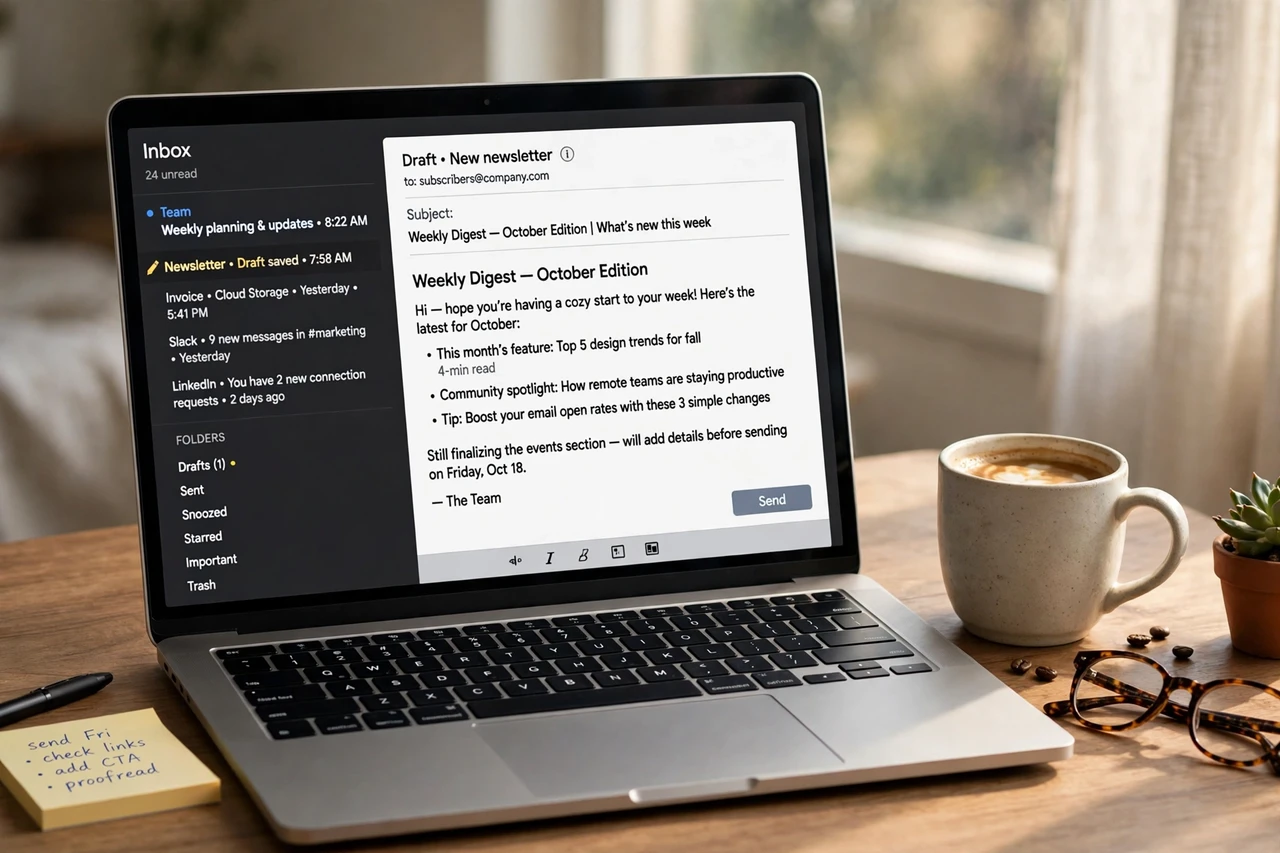
Businesses with an email list need someone to write and send the newsletter, and most of them skip weeks because nobody owns the job. An email newsletter retainer covers a set number of emails per month — writing, formatting, and scheduling — plus a short report on opens and clicks. It is a small package with a clear result the client can see in their inbox.
Tip: ask the client for their best-performing past emails before you write the first one, so your style matches what their readers already open.
6. SEO Maintenance Retainer

Once a website ranks, it needs steady upkeep: fixing broken links, updating old posts, adding internal links, and tracking which pages bring in visitors. An SEO maintenance retainer covers those monthly tasks for a flat fee. This package suits freelancers who already understand on-page basics and can show a client a simple monthly checklist of what was done.
Tip: send a one-page monthly summary with the tasks completed and the pages you worked on — visible proof keeps the retainer renewing.
7. Virtual Assistant Retainer

A virtual assistant retainer gives a busy client a fixed number of support hours each month: inbox triage, calendar management, data entry, and customer replies. The client gets reliable help without hiring an employee, and you get steady hours instead of random one-off tasks. Set a fixed weekly schedule so the client knows exactly when you are available.
Tip: track your hours in a shared sheet the client can see, so there is never an argument about how much of the retainer was used.
8. Video Editing Retainer

Creators and small businesses who post video regularly need an editor they can count on. A video editing retainer covers a set number of short videos per month — editing, captions, and delivery in the format each platform needs. Charge per video inside the package, not per hour, so both sides know the monthly output in advance.
Tip: build a simple editing template for each client — captions, intro, and outro — so every video starts half-finished and your turnaround stays fast.
9. Bookkeeping and Invoicing Retainer

Small business owners hate paperwork, and a monthly bookkeeping retainer takes it off their desk: recording receipts, sending invoices, chasing late payments, and keeping a tidy monthly summary. This is steady, low-drama work that clients keep for years once they trust you with their numbers. Accuracy and confidentiality are the whole job.
Tip: never mix a client’s money with your own accounts, and keep a simple log of every entry so the client can check your work any time.
Frequently Asked Questions
What is a freelance retainer package?
A retainer package is a monthly agreement where a client pays a fixed amount for a set amount of work each month — for example, four blog posts, or ten hours of design. It replaces one-off projects with predictable income for you and predictable help for the client.
How do I price a retainer package as a beginner?
Start from your normal project price: add up what the monthly work would cost as separate projects, then offer a small discount for the commitment — usually around ten to twenty percent less than the project-by-project total. The discount is the client’s reward for paying you every month.
How do I pitch a retainer to an existing client?
Wait until you have finished two or three good projects for the same client, then propose it as a way to save them time: one monthly payment, no new hiring, and guaranteed availability. Offer a one-month trial so the client can try the arrangement without a long commitment.
What should a retainer agreement include?
Put the scope, the monthly price, the payment date, the number of revisions, and what happens to unused hours or posts in writing — even in a simple email. A short written agreement prevents most disagreements before they start.
What if a client asks for work outside the retainer?
Quote the extra work separately at your normal project price, or offer to add it to next month’s package. Saying yes to free extras is the fastest way a good retainer turns into a bad deal.
Steady freelance income is not about finding more clients — it is about keeping the good ones on a monthly plan. Pick the package that matches the skill you already sell, offer it to your best client first, and let one retainer prove the model. One monthly payment you can count on beats ten one-off gigs you have to chase.