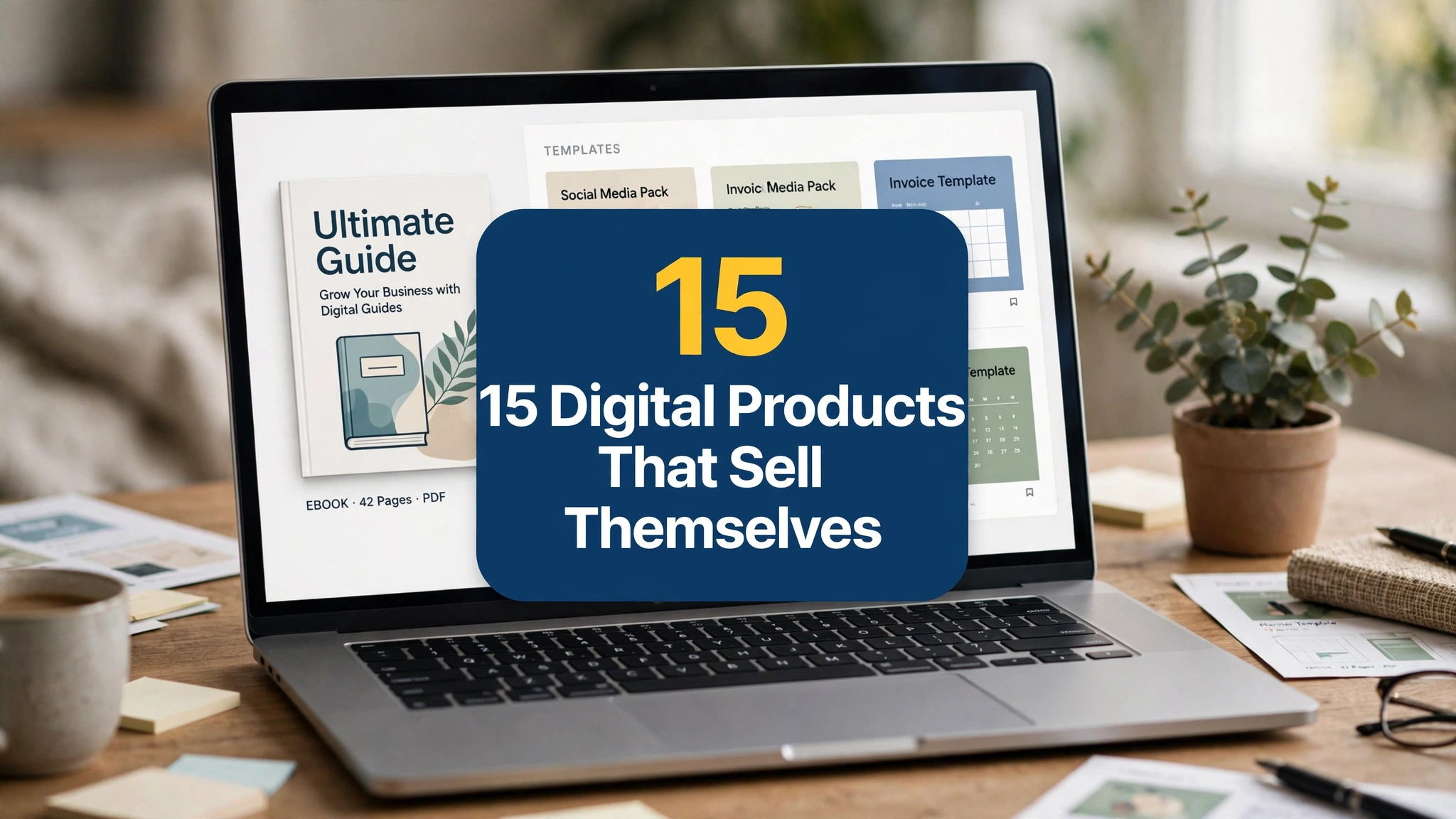
Not all digital products require constant promotion. Some categories have such steady buyer demand that well-optimized listings generate sales on autopilot — shoppers search for them daily, buy, and leave. These are the closest thing to truly passive digital income.
Here are 15 digital products that sell themselves thanks to built-in marketplace demand. Each one targets buyers who already know what they want — your job is simply to show up in search with a quality listing.
1. Printable Wall Art & Posters

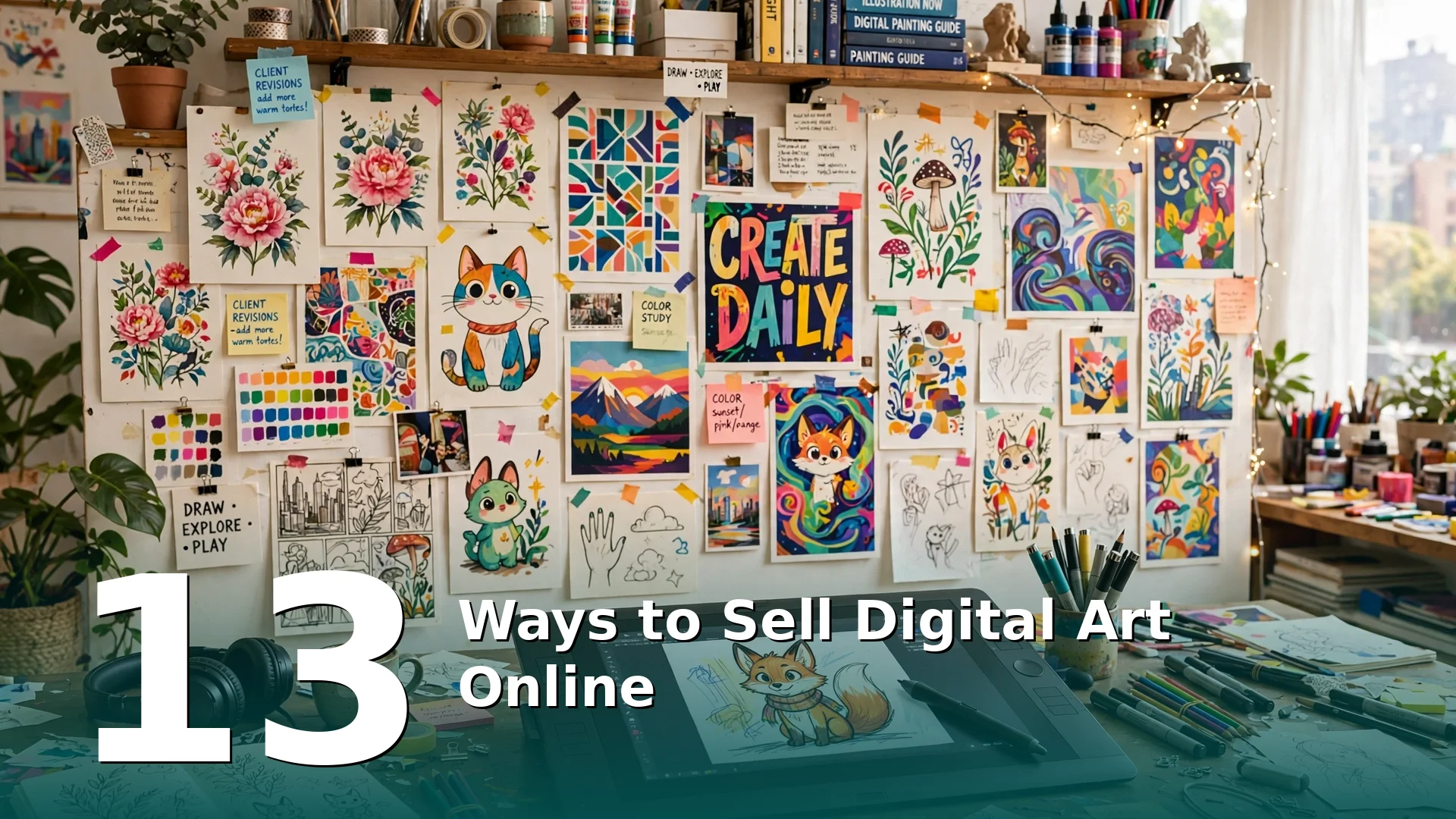
Printable wall art is one of Etsy’s best-selling digital categories year after year. Buyers redecorate constantly — nurseries, home offices, dorm rooms — and prefer $5 instant downloads over $40 framed prints. Create cohesive sets in trending styles (boho, minimalist line art, vintage botanical) rather than single random designs. Bundles of 5–10 matching prints in multiple size ratios sell best because they solve the buyer’s whole wall at once.
2. Social Media Content Calendars
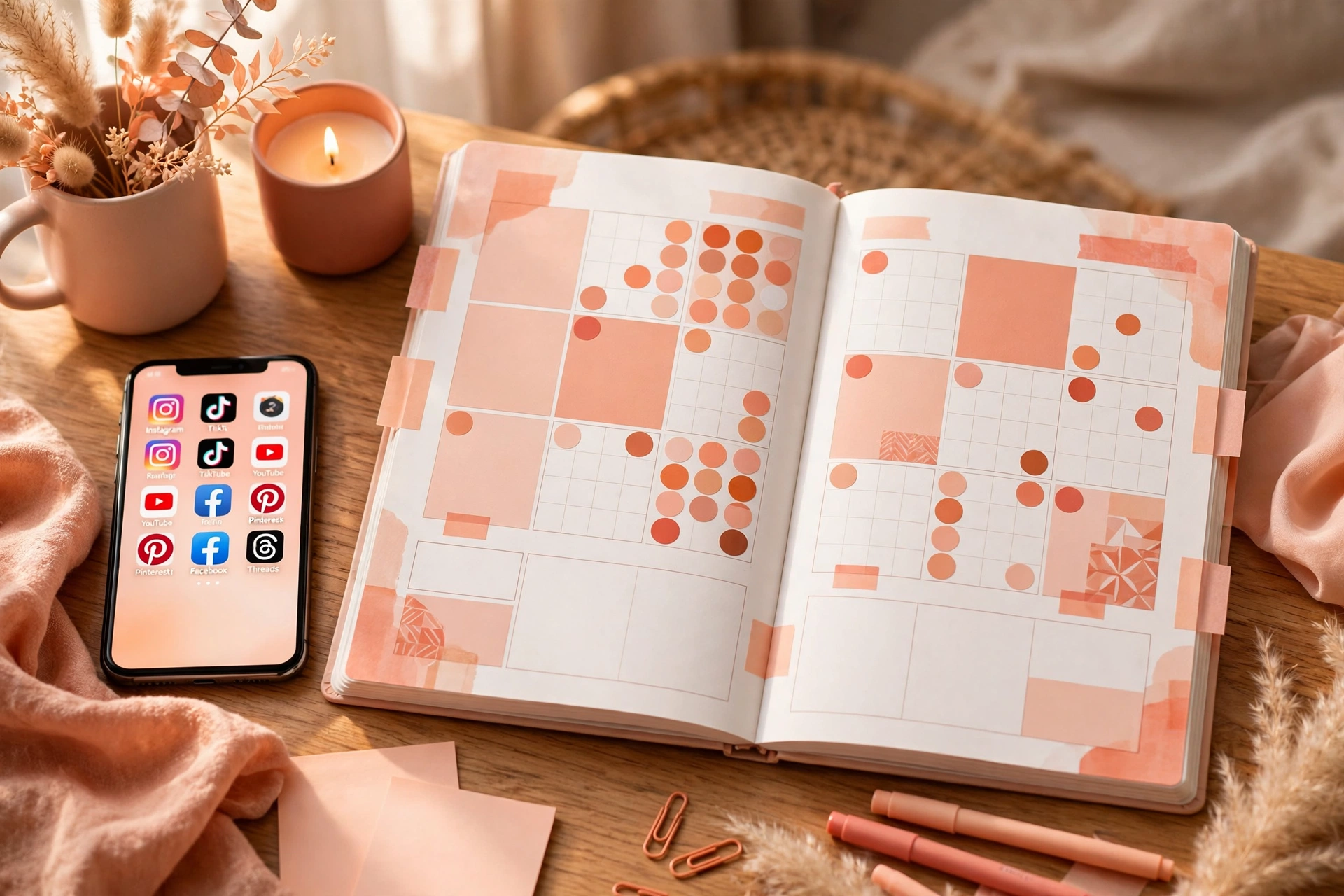
Small business owners and creators dread the daily “what do I post?” scramble, which makes done-for-you content calendars evergreen sellers. A 30- or 365-day calendar with post ideas, caption prompts, and hashtag suggestions saves buyers hours weekly. Niche them down — a content calendar for real estate agents or fitness coaches outsells generic versions because the prompts feel tailor-made. Update yearly for repeat buyers.
3. Wedding Day Stationery Suites
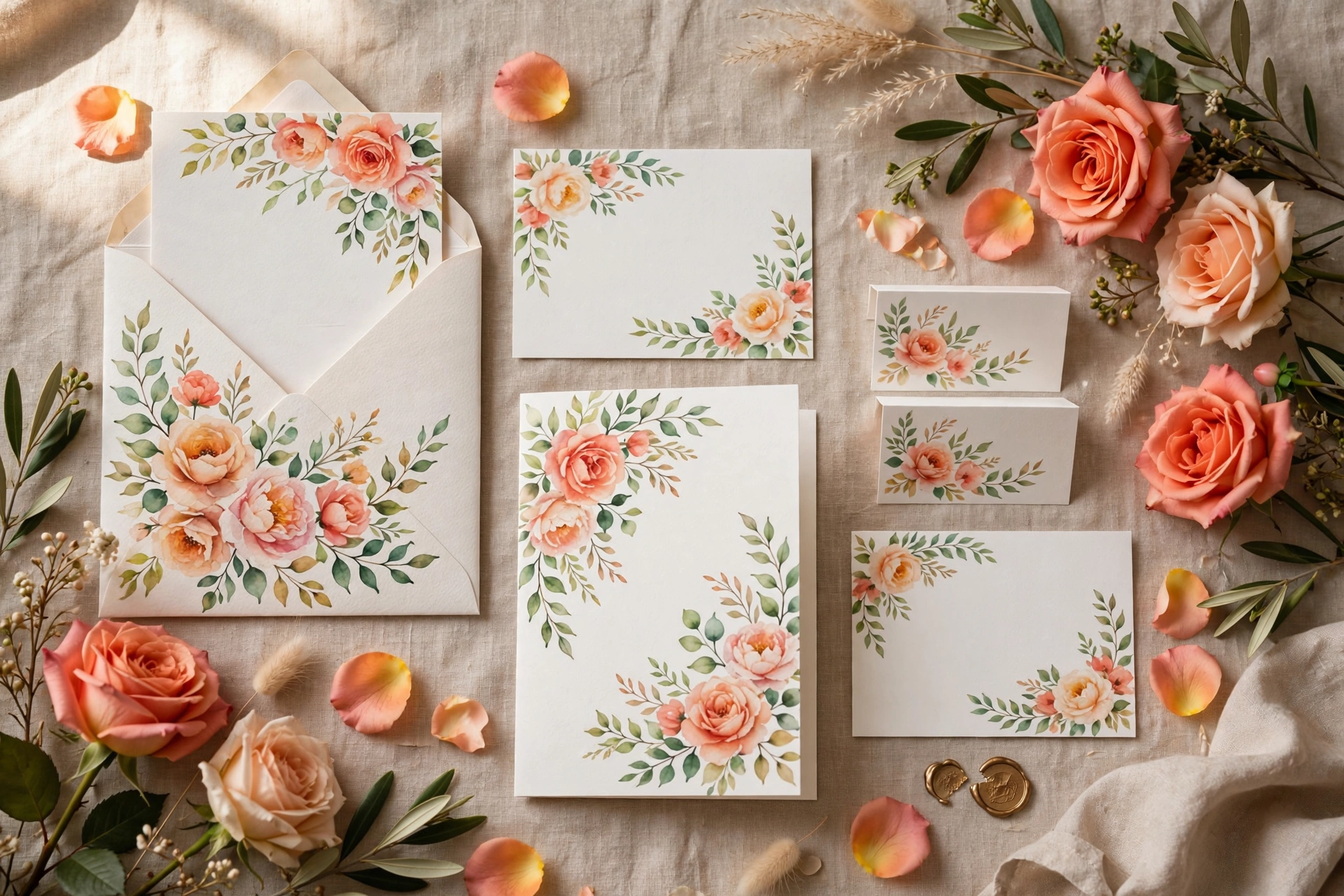
Couples spend months hunting matching stationery: invitations, RSVP cards, menus, place cards, and thank-you notes. Editable template suites in popular wedding aesthetics (rustic, modern minimalist, floral watercolor) sell themselves to budget-conscious couples who want a designer look without designer prices. Include an editing guide so non-designers feel confident customizing, and offer the suite in both print-at-home and professional-print sizes.
4. Kids’ Learning Activity Packs

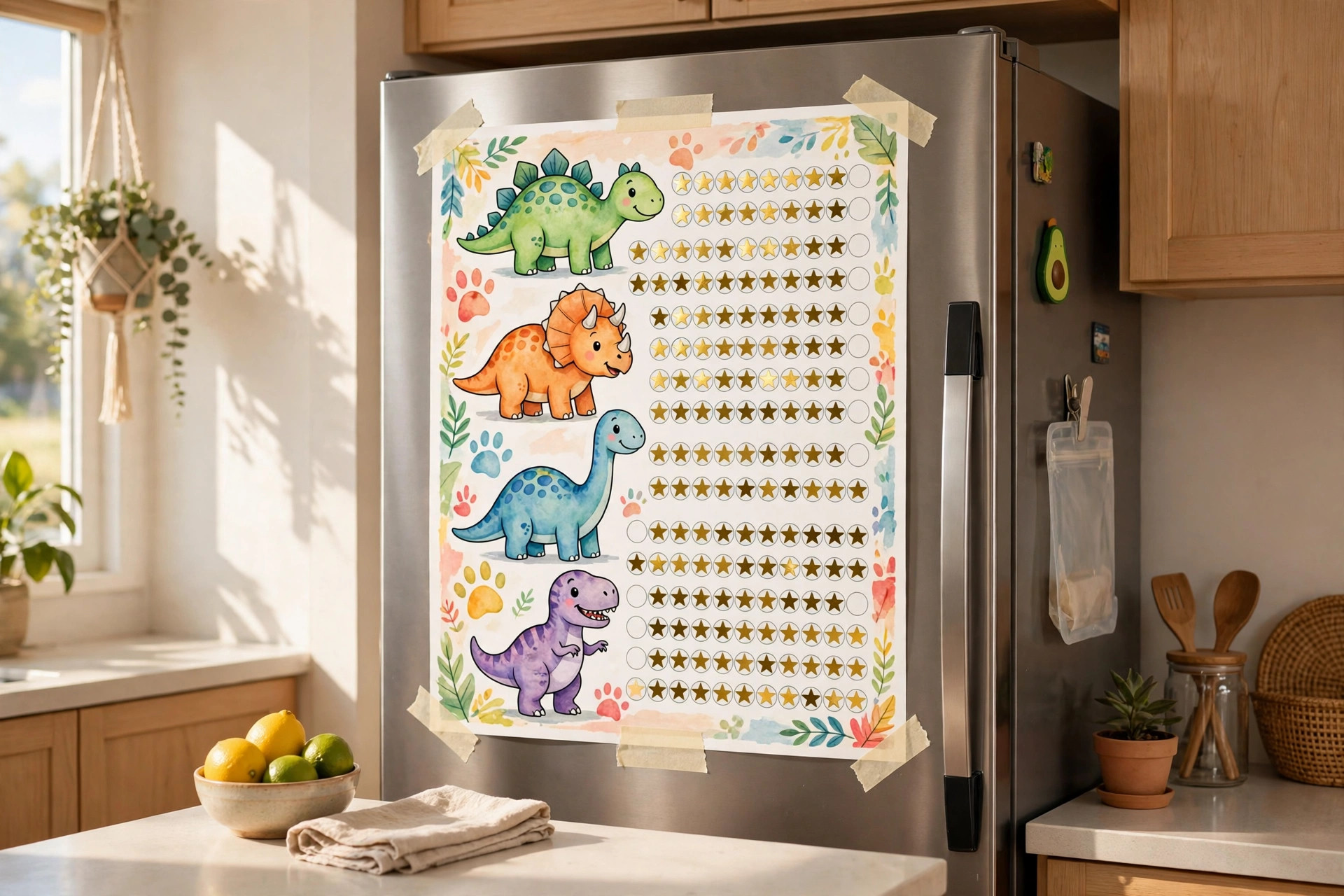
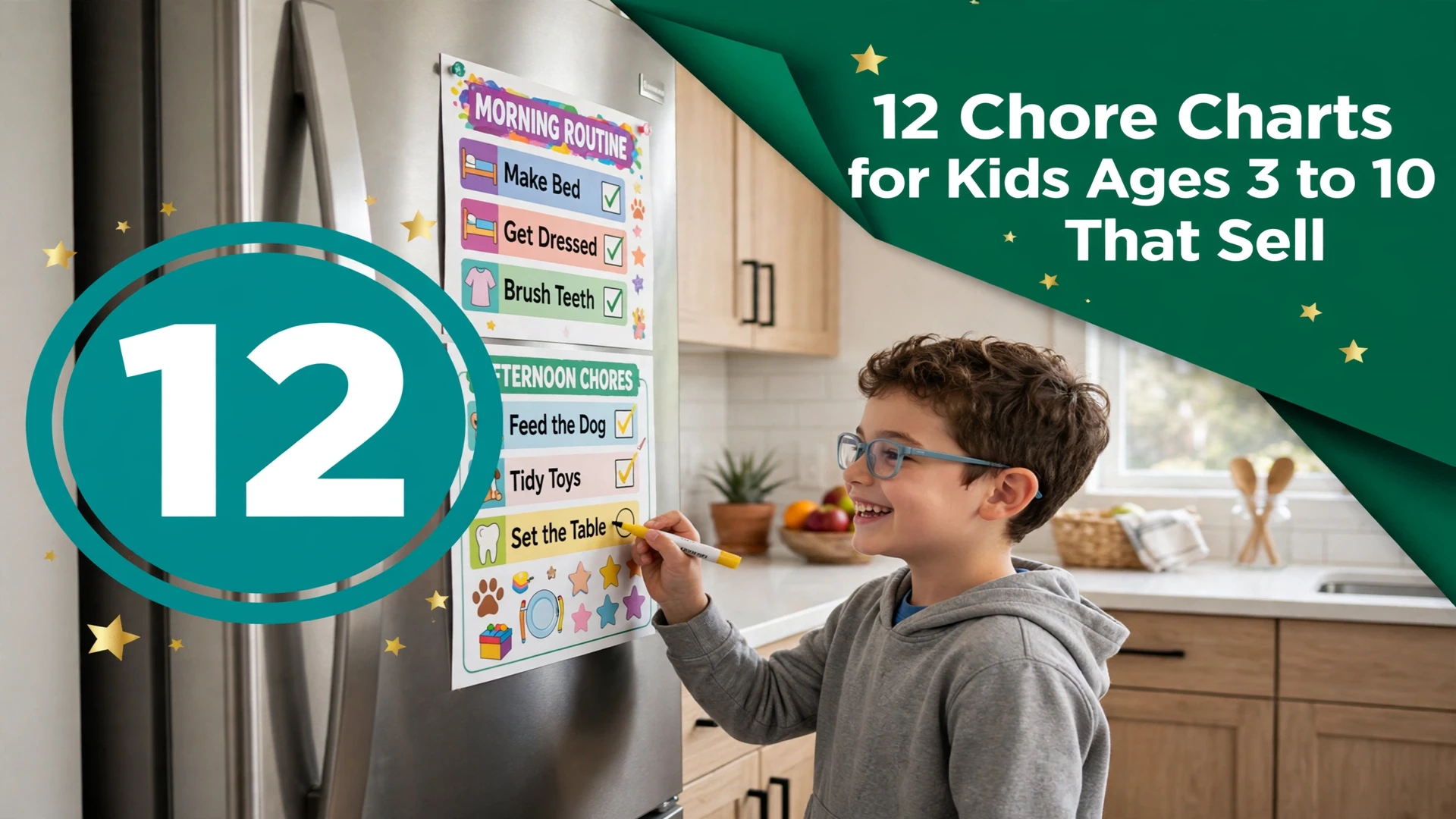
Parents and homeschoolers constantly search for fresh educational activities, making printable learning packs reliable sellers. Phonics worksheets, math games, coloring-based learning sheets, and seasonal activity bundles for ages 3–8 perform especially well. Align packs with school curriculum topics so parents see clear value. Themed bundles (dinosaur math, space phonics) stand out in search and justify higher prices than generic worksheets.
5. Email Template Collections
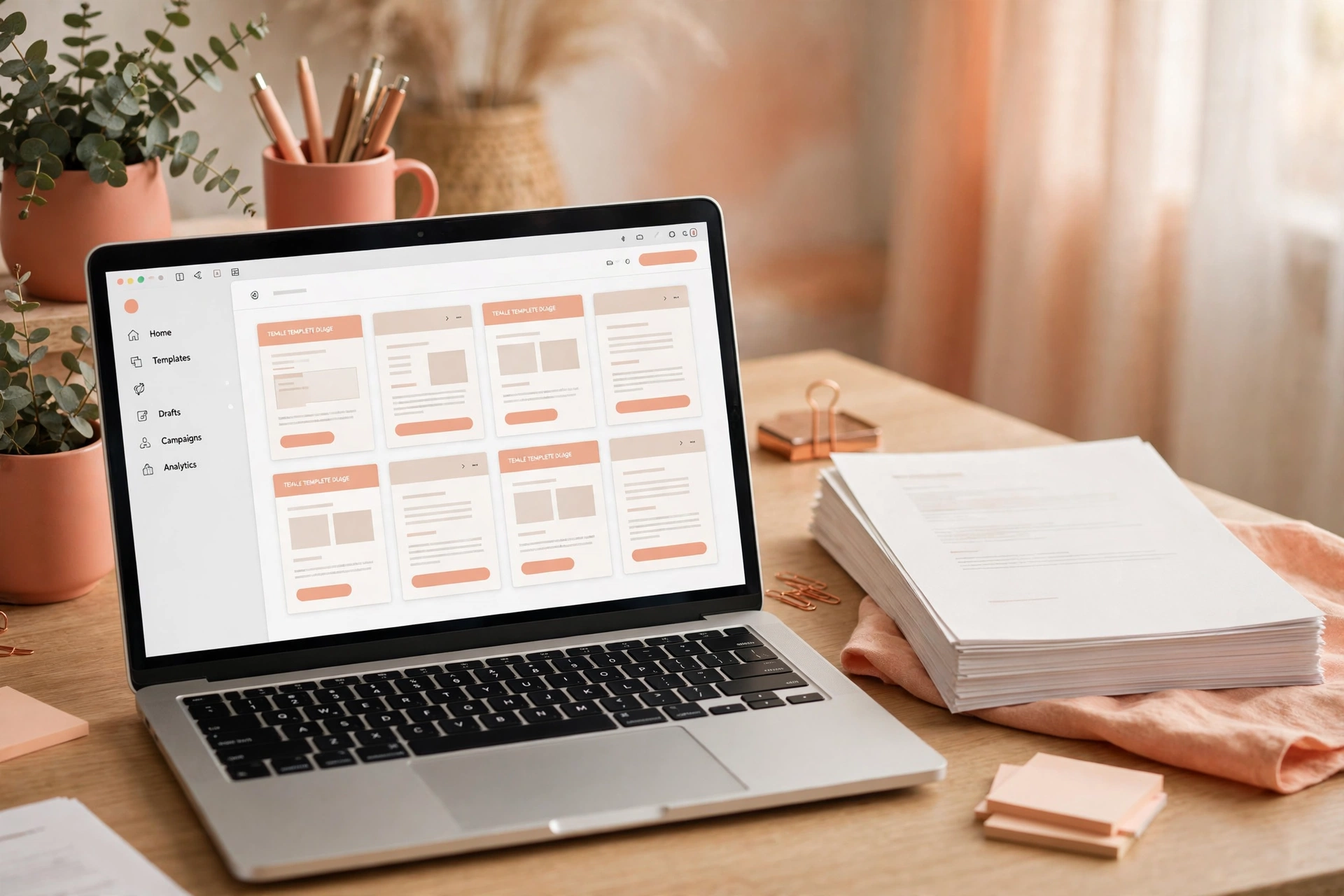
Freelancers, coaches, and small businesses all need professional emails but hate writing them from scratch. Collections of 50–100 copy-paste templates — client onboarding, follow-ups, sales sequences, cold outreach — solve an immediate pain point. Organize by use case with customization tips so buyers can adapt them quickly. This product practically sells itself to anyone who has ever stared at a blank email draft.
6. Digital Recipe Books
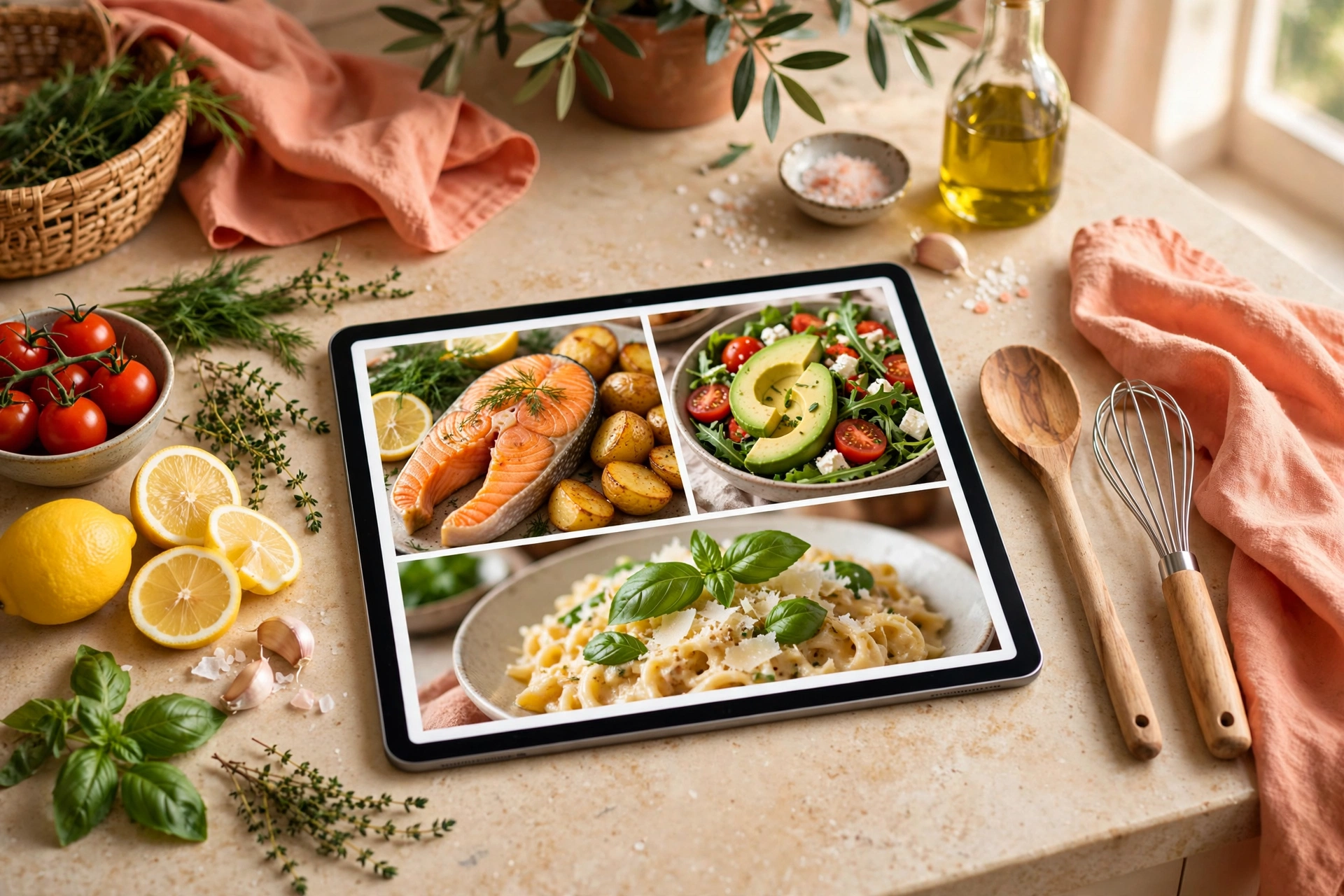
Niche recipe collections outperform generic cookbooks because buyers search for their exact dietary need: 30-minute keto dinners, high-protein vegetarian meals, air fryer recipes for beginners. Beautiful food photography (even stock photos with commercial licenses) and clear formatting matter more than chef credentials. Include a printable grocery list and meal-prep guide to make the book feel like a complete system rather than just recipes.
7. Fitness Workout Plans (PDF)

Home workout plans remain strong sellers as people skip gym memberships. Target specific goals — 8-week glute programs, beginner bodyweight routines, postpartum-safe workouts — rather than generic fitness. Include exercise illustrations or photo demonstrations, weekly schedules, and progress trackers. Buyers happily pay $15–$30 for a structured plan that replaces a personal trainer, and fitness niches have passionate repeat buyers.
8. Language Learning Flashcards
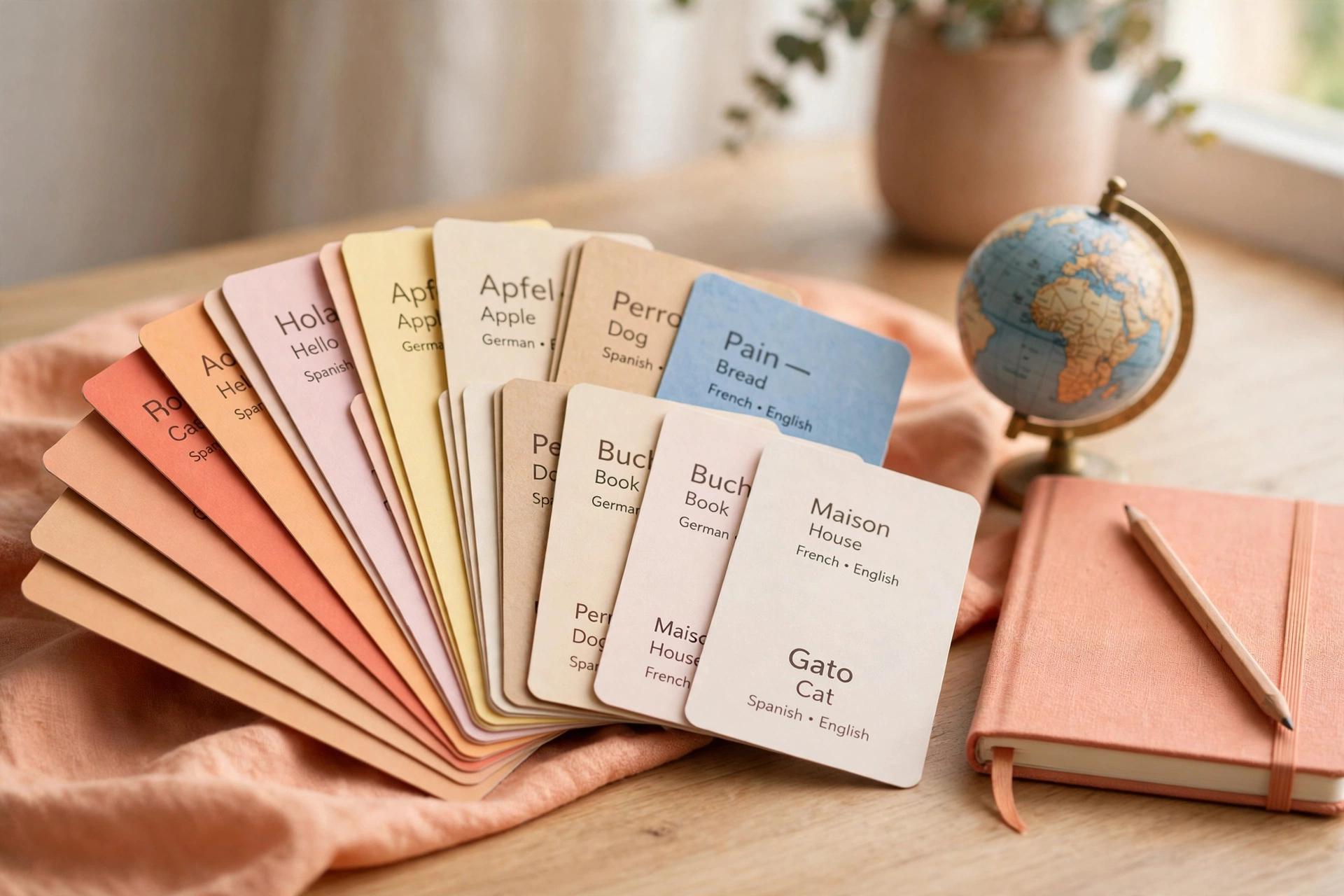
Printable flashcard sets for Spanish, French, Japanese, and other popular languages sell steadily to students and self-learners. Organize by theme (travel phrases, business vocabulary, verb conjugations) so buyers can target their weak spots. Sets of 200–500 cards with pronunciation guides feel substantial and justify $10–$20 pricing. Digital flashcard formats compatible with apps like Anki add extra value for tech-savvy learners.
9. Business Invoice Templates
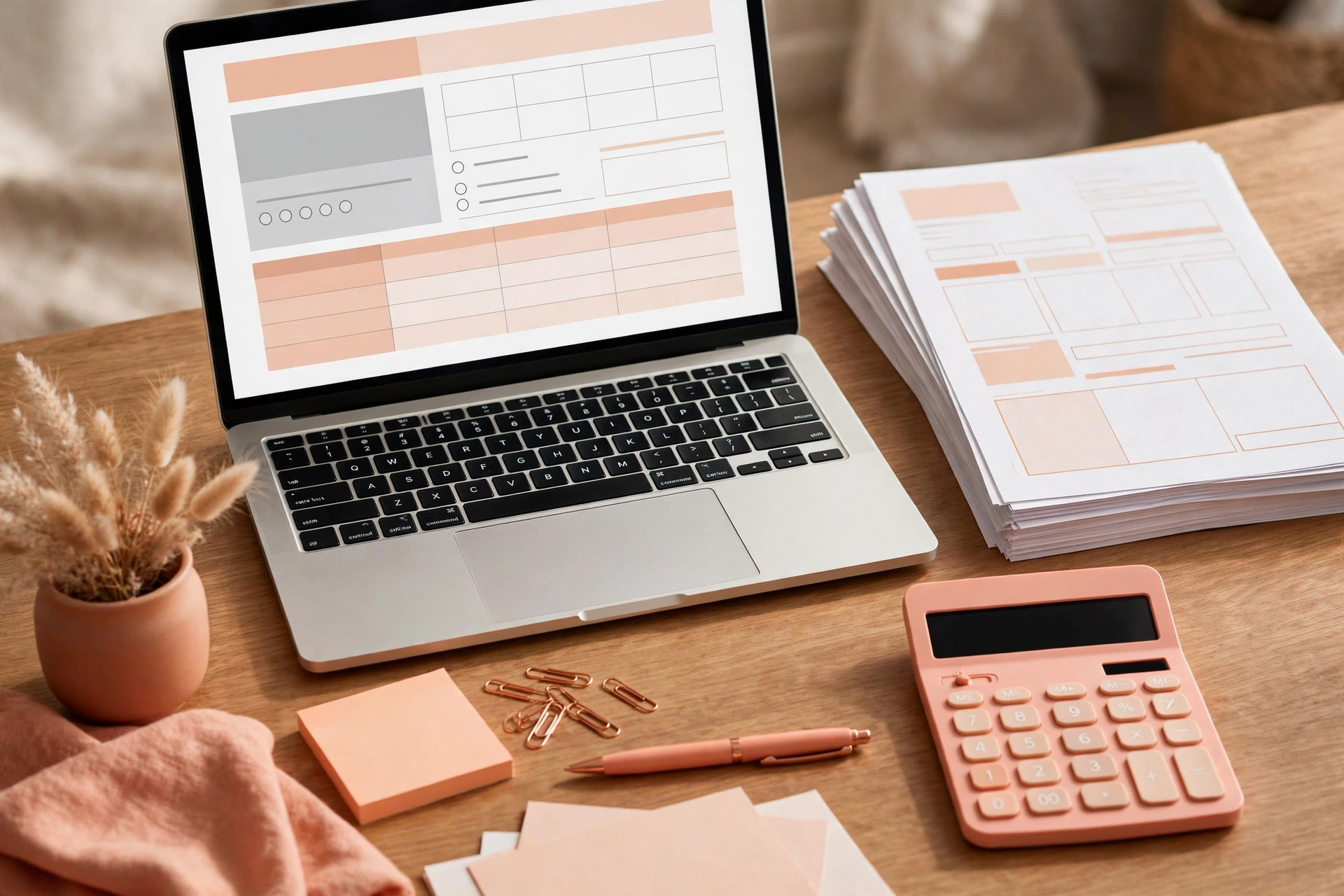
Every freelancer and small business needs invoices, yet most hate making them. Professional invoice template packs — in Word, Excel, Google Docs, and Canva formats — are unsexy but consistent sellers. Include matching quote templates, receipt designs, and late-payment reminder letters to create a complete billing kit. Target specific trades (photographers, contractors, consultants) with tailored fields for higher perceived value.
10. Guided Journals & Workbooks

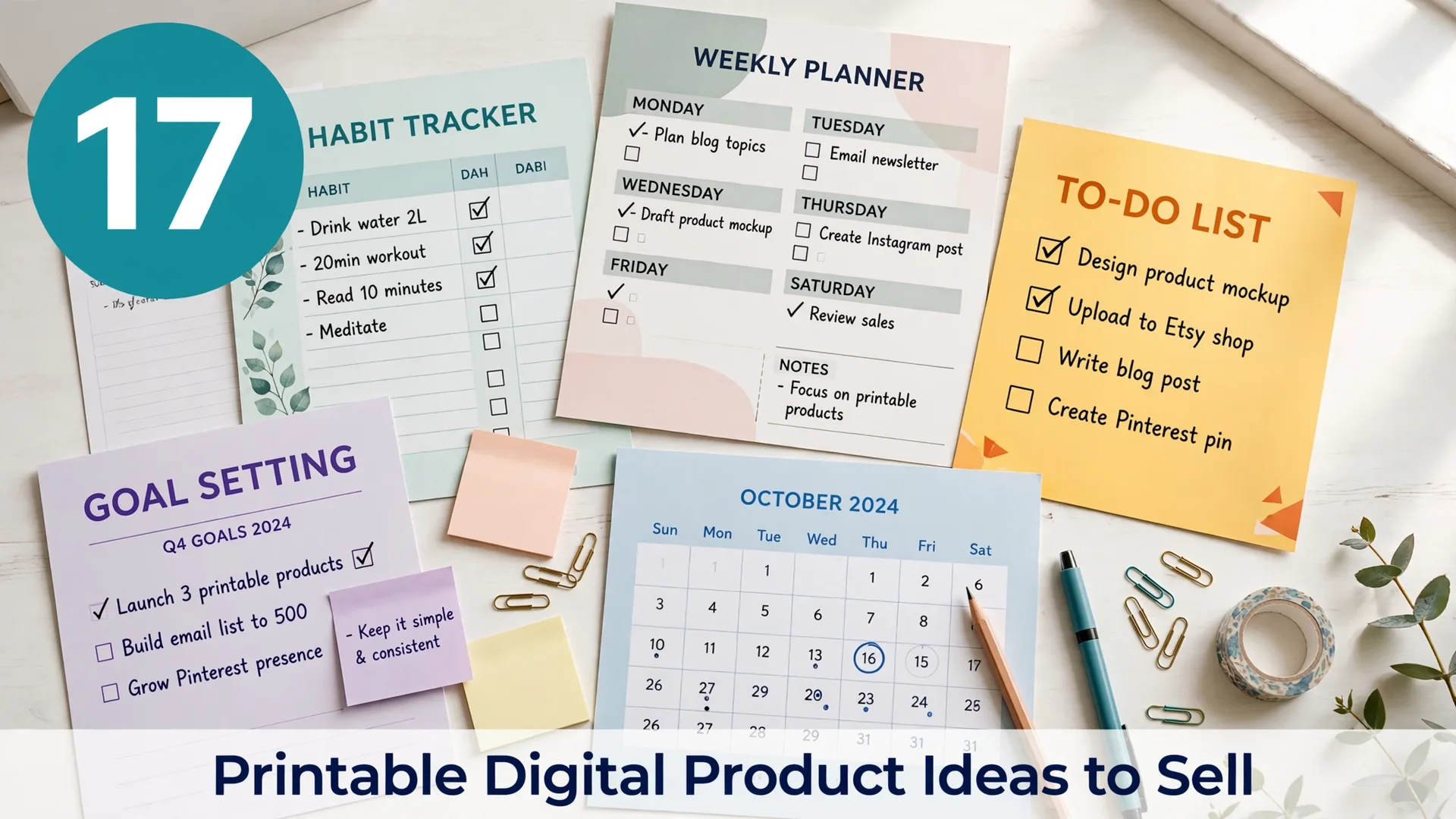
Guided journals with daily prompts — gratitude journals, anxiety workbooks, goal-setting planners, shadow-work journals — tap into the massive self-improvement market. Unlike blank notebooks, guided versions give buyers a reason to choose yours: a structured path to a result they want. Wellness and mental-health niches are especially passionate buyers. Create 90-day versions so customers return for the next volume.
11. Digital Planner Stickers & GoodNotes Accessories
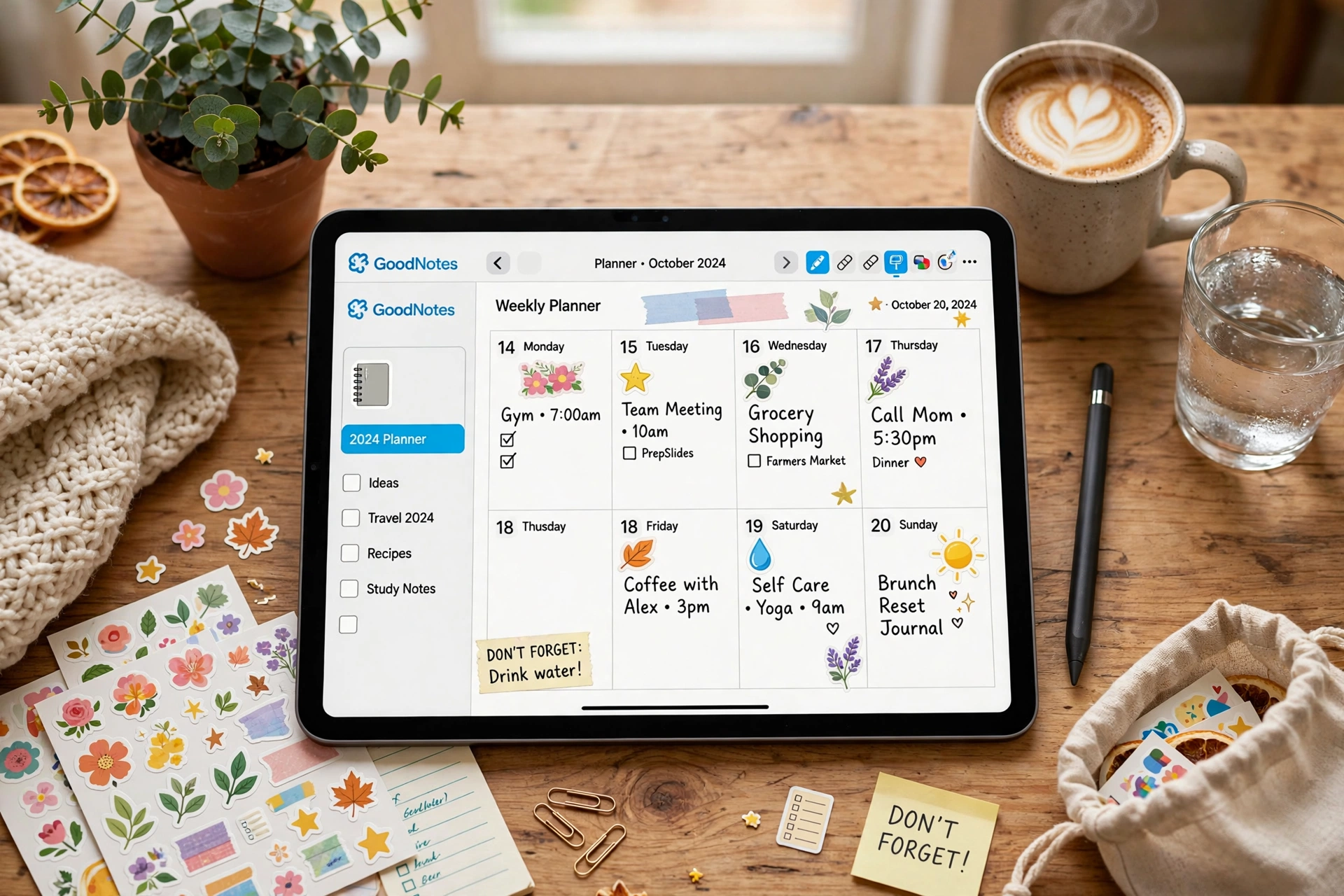
Millions of people plan their lives on iPads now, and they constantly buy digital sticker packs — habit trackers, meal-planning icons, motivational quotes, seasonal decorations — to personalize their planners. Unlike physical stickers, you design once and sell forever, with packs typically priced at $3–$12. The trick is volume and cohesion: release themed collections (a fall planning kit, a fitness tracker set) so one buyer becomes a repeat customer. GoodNotes and Notability users are passionate collectors, and new iPad owners search for starter packs every single day.
12. SVG Cut Files for Cricut & Silhouette Machines
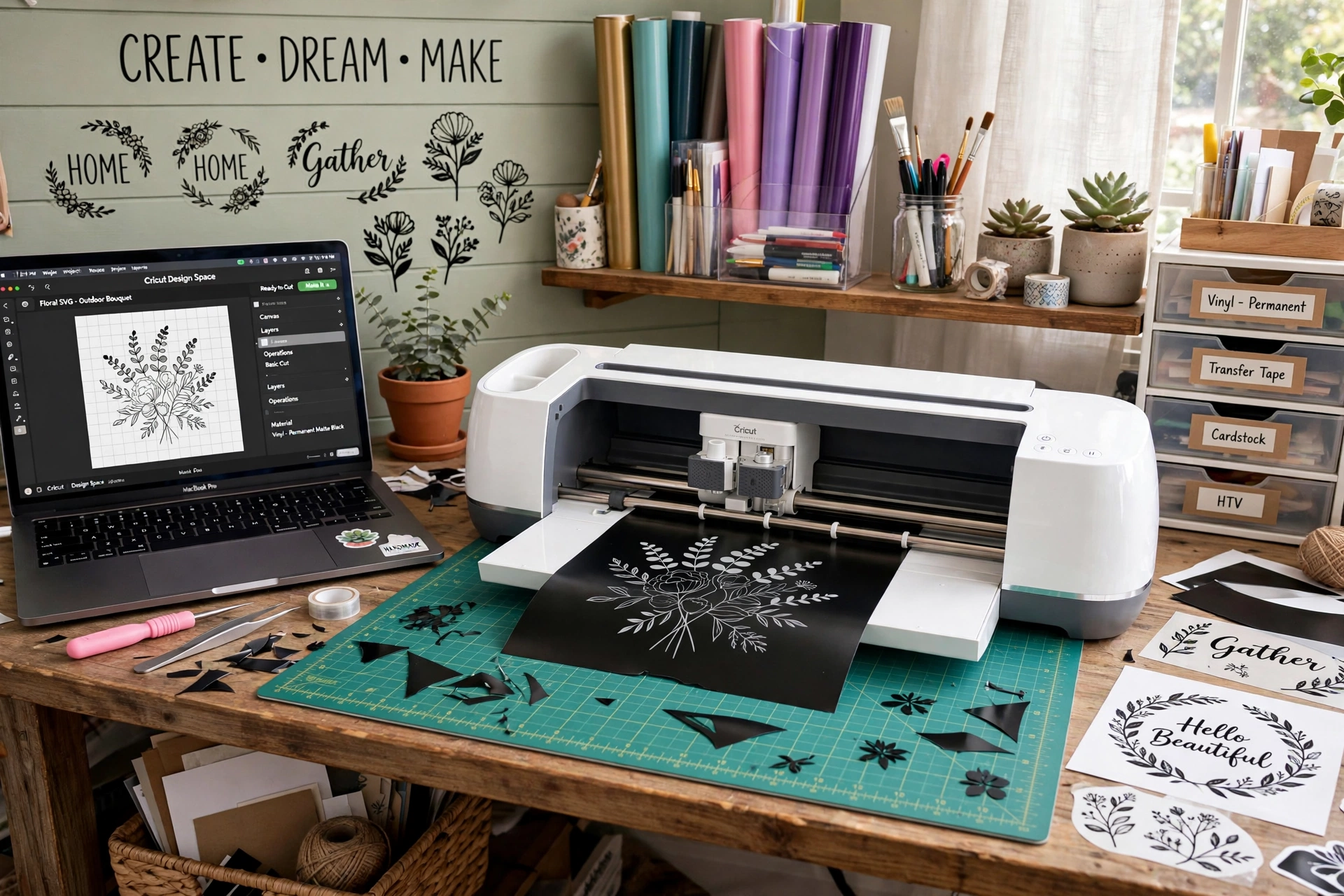
Crafters with cutting machines are always hunting for fresh designs — t-shirt sayings, holiday door signs, car decals, tumbler wraps — and SVG files are the currency of that world. A single well-designed bundle can sell thousands of times because the demand never dries up: every season, holiday, and life event (new baby, graduation, wedding) creates a new search wave. Price individual designs at $2–$5 and themed bundles of 20–50 files at $10–$25. Include PNG and DXF versions alongside the SVG so every machine owner can buy with confidence.
13. Printable Affirmation Card Decks
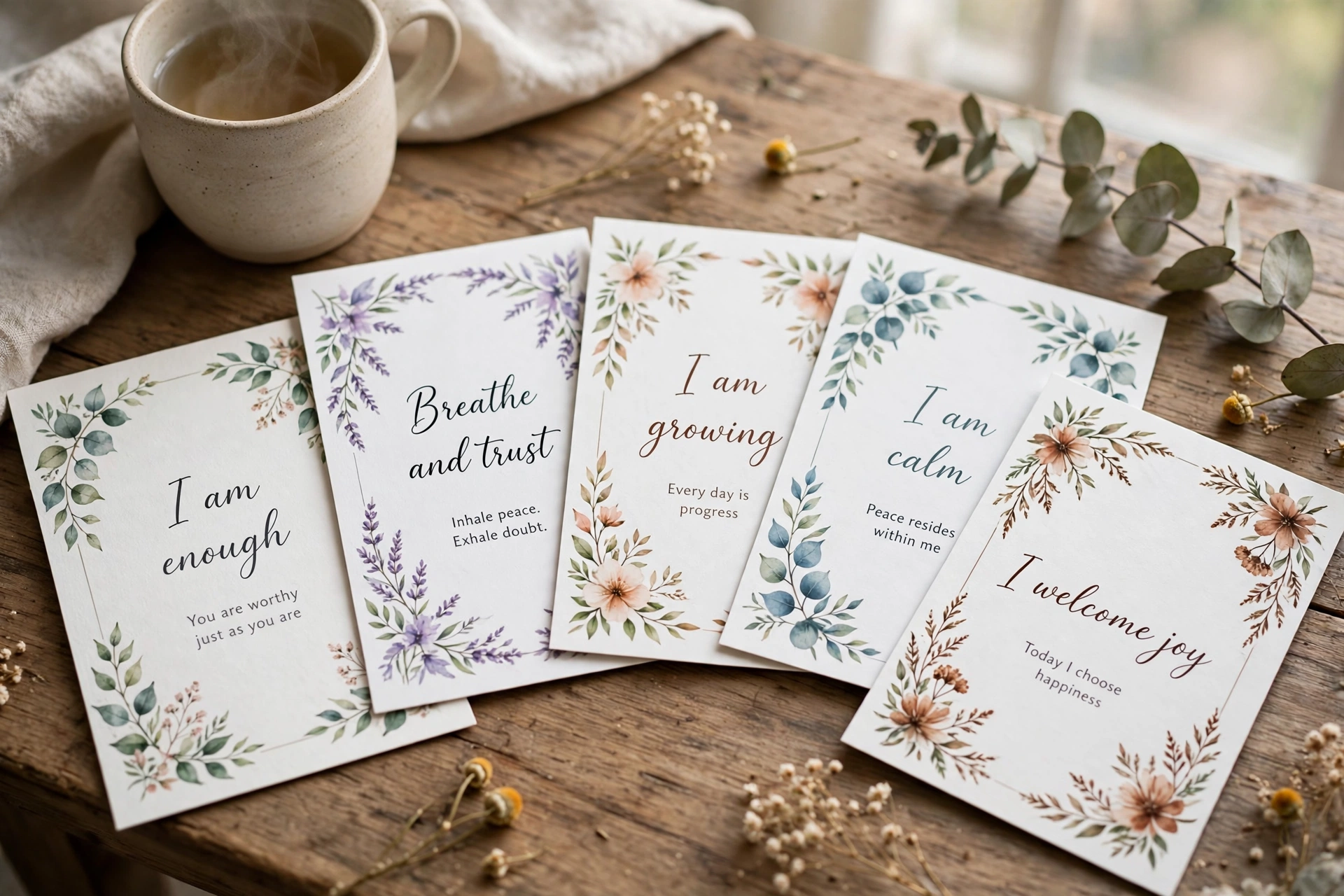
Affirmation and oracle-style card decks are booming with the self-care crowd — buyers print them at home, cut them out, and pull a card each morning. Design a 30- or 52-card deck around a specific theme (confidence for new moms, calm for anxious minds, motivation for job seekers) rather than generic positivity, and your deck stands out instantly. Decks sell for $8–$18 as printables, and the same designs can later become a physical product. The wellness niche buys emotionally and shares purchases on social media, which drives free traffic to your listing.
14. Crochet & Knitting Patterns
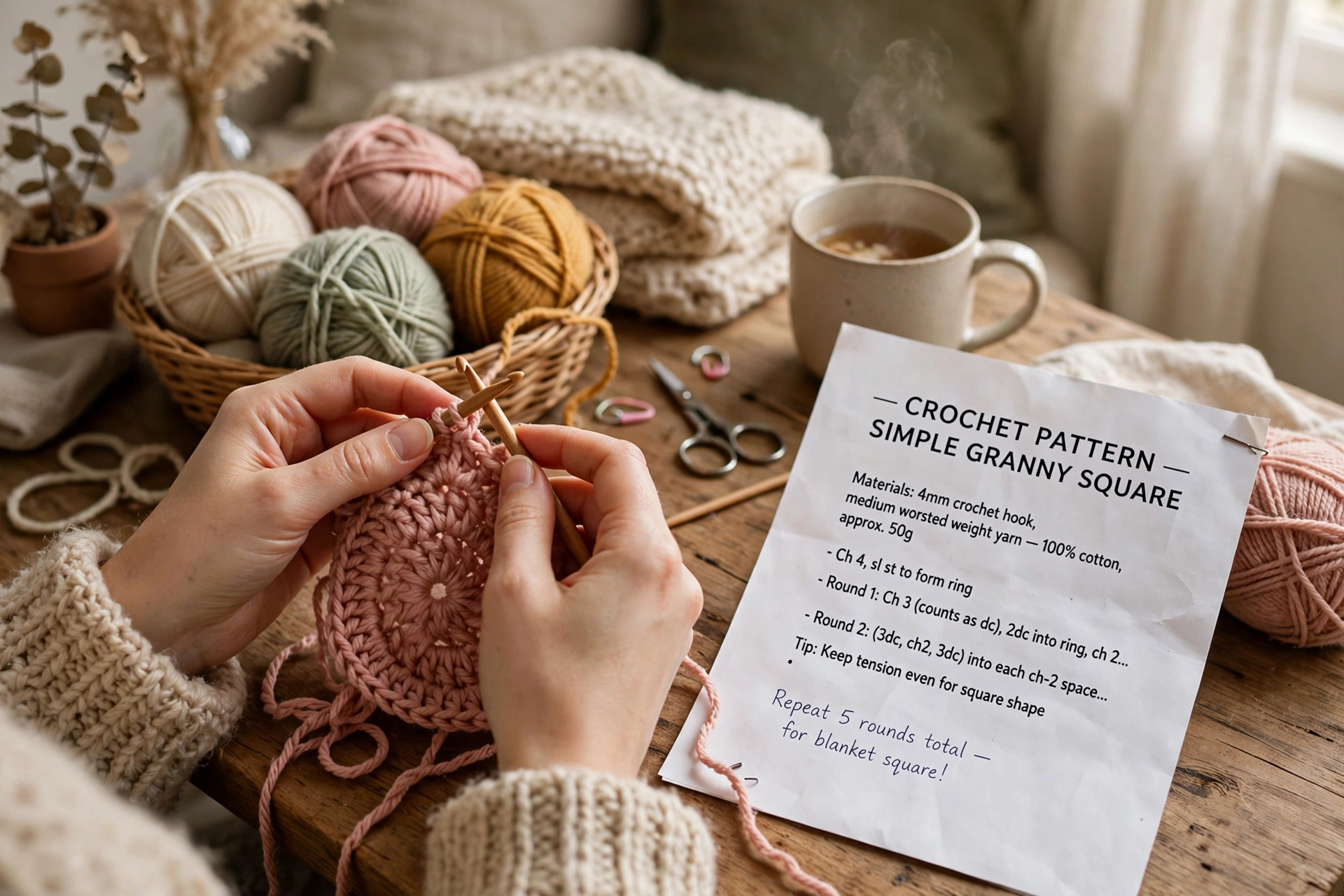
The fiber-craft community is enormous and fiercely loyal — crocheters and knitters buy patterns the way readers buy books. Trendy, quick-to-make designs sell best: chunky blankets, amigurumi animals, market tote bags, and baby garments sized newborn to toddler. Price patterns at $4–$10 each, and bundle related designs into collections for higher cart values. Clear photos of the finished item matter more than anything; buyers need to picture themselves making it. Seasonal patterns (cozy fall sweaters, Christmas stockings) create predictable yearly sales spikes.
15. Printable Baby Milestone Cards
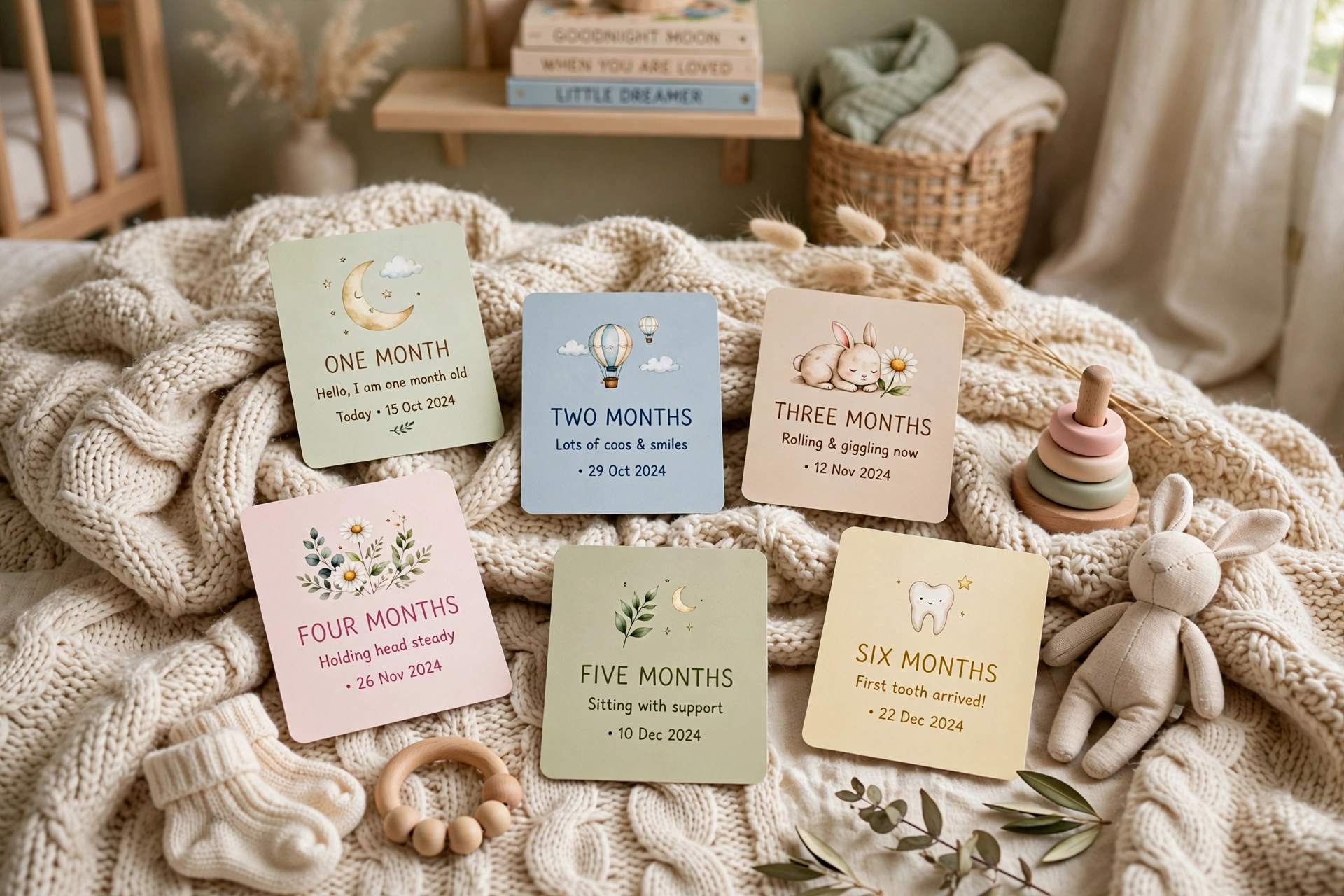
New parents document everything — “one month old,” “first tooth,” “first steps” — and milestone card sets are a classic nursery purchase that never goes out of style. Design a 20–30 card set in a modern aesthetic (neutral tones, boho rainbows, woodland animals) and parents will buy it as a baby-shower gift as often as for themselves. Sets sell for $5–$12 as instant downloads. Offer matching announcement cards and a first-year photo banner as upsells, and one listing quietly becomes three sales.
Frequently Asked Questions
What makes a digital product “sell itself”?
Products sell themselves when buyer demand already exists and shoppers actively search for them. Evergreen needs — home decor, wedding planning, kids’ education, business tools — generate daily searches on marketplaces, so optimized listings capture sales without paid ads or large audiences.
How do I know if a digital product idea has enough demand?
Check Etsy search results for your product type: hundreds of listings with strong sales counts and recent reviews signal healthy demand. Tools like eRank or Marmalead show actual search volumes for Etsy keywords, taking the guesswork out of validation.
Can beginners compete with established digital product sellers?
Yes, by niching down. Instead of generic “wall art,” sell “nursery wall art for twin boys” or “home office prints for therapists.” Specific niches have less competition and attract buyers who feel the product was made exactly for them.
How many digital products do I need to make meaningful income?
Most sellers see traction with 20–50 quality listings, earning a few hundred dollars monthly. Sellers with 100+ listings in demanded niches commonly reach $1,000–$5,000 per month. Each product adds another chance to appear in search, so catalog size compounds.
Do digital products really require no marketing?
“Sell themselves” means minimal ongoing marketing, not zero effort. You still need SEO-optimized titles, good mockups, and competitive pricing upfront. But unlike courses or coaching, these products don’t require content marketing funnels or email lists to generate steady sales.