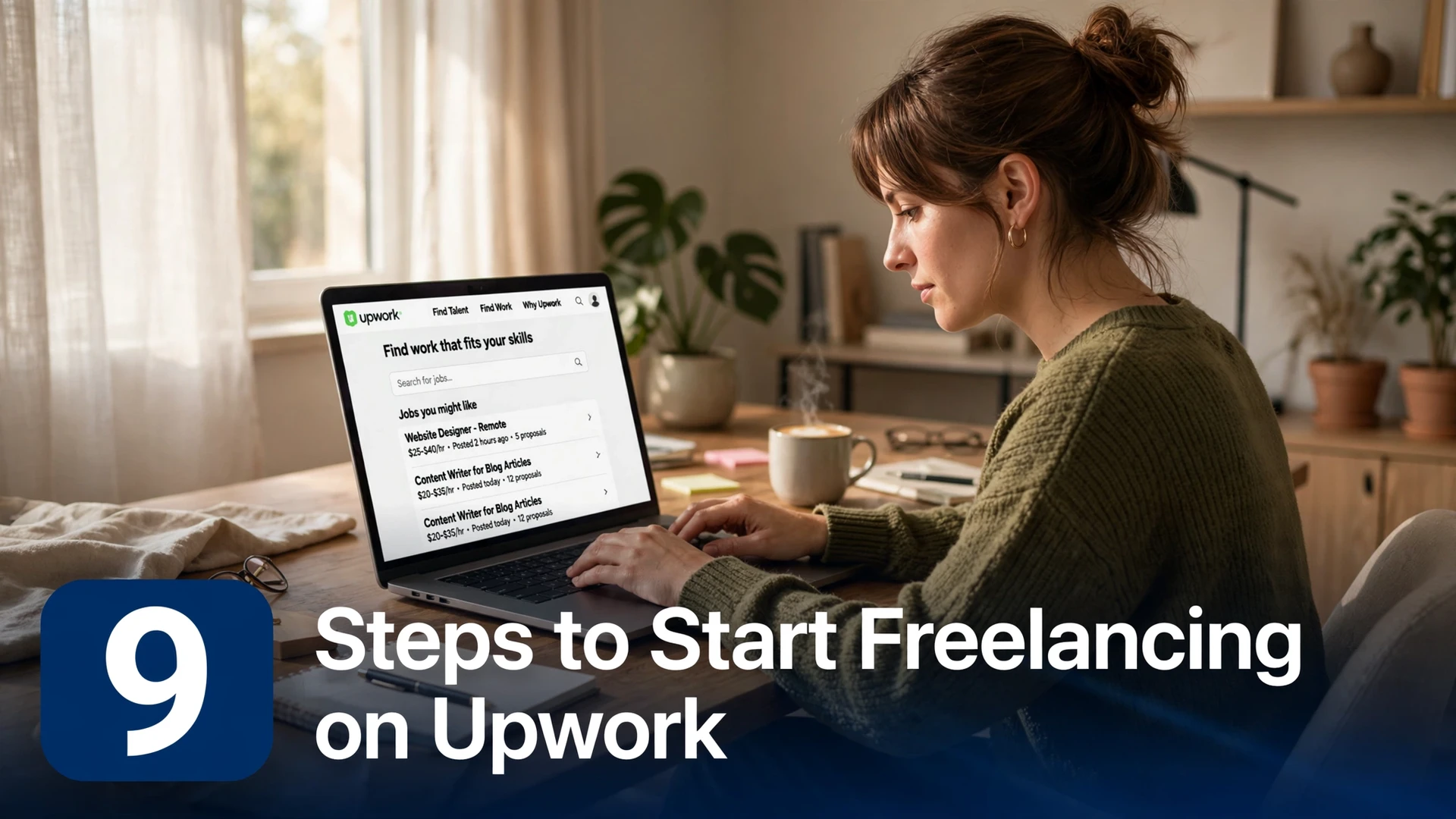
Learning how to turn one-time gigs into repeat clients is the cheapest way to grow a freelance business, because a happy past client already trusts you, knows your process, and needs far less convincing than a stranger. Yet many freelancers finish a project, send an invoice, and disappear until the client has already hired someone else. The nine tactics below fix that gap. They are simple, mostly free, and work best when you build them into your delivery process rather than remembering them months later.
Related: getting freelance clients fast and freelancing tips for beginners.
1. Send a 30-Day Check-In After Delivery, Not a Sales Pitch
Thirty days after delivery is the perfect moment to check in, because the client has used your work long enough to know whether it helped. Send a short message asking how the deliverable is performing and whether anything needs adjusting. Do not attach a price list or pitch a new package in that first message; genuine curiosity comes first.
Most clients reply with either a small fix or a new need they had not mentioned, and both open the door to more work naturally. Set a calendar reminder for every project on the day you deliver it, so no client slips through. A two-minute check-in often produces more repeat work than a month of cold outreach.

2. Package Follow-Up Work Into a Monthly Care Plan
Clients love ongoing help, but they dislike vague retainers that feel like a subscription to nothing. A monthly care plan solves that by naming exactly what you do each month, such as two content updates, one monthly report, or a set number of design revisions. Clear deliverables make the plan easy to approve and easy to keep.
Offer the care plan at the end of the first project, while the client is happiest with your work, and price it for a three-month minimum so both sides can plan. Even a small monthly plan smooths your income and keeps you close to the client’s changing needs. When a bigger project appears, you are already first in line.

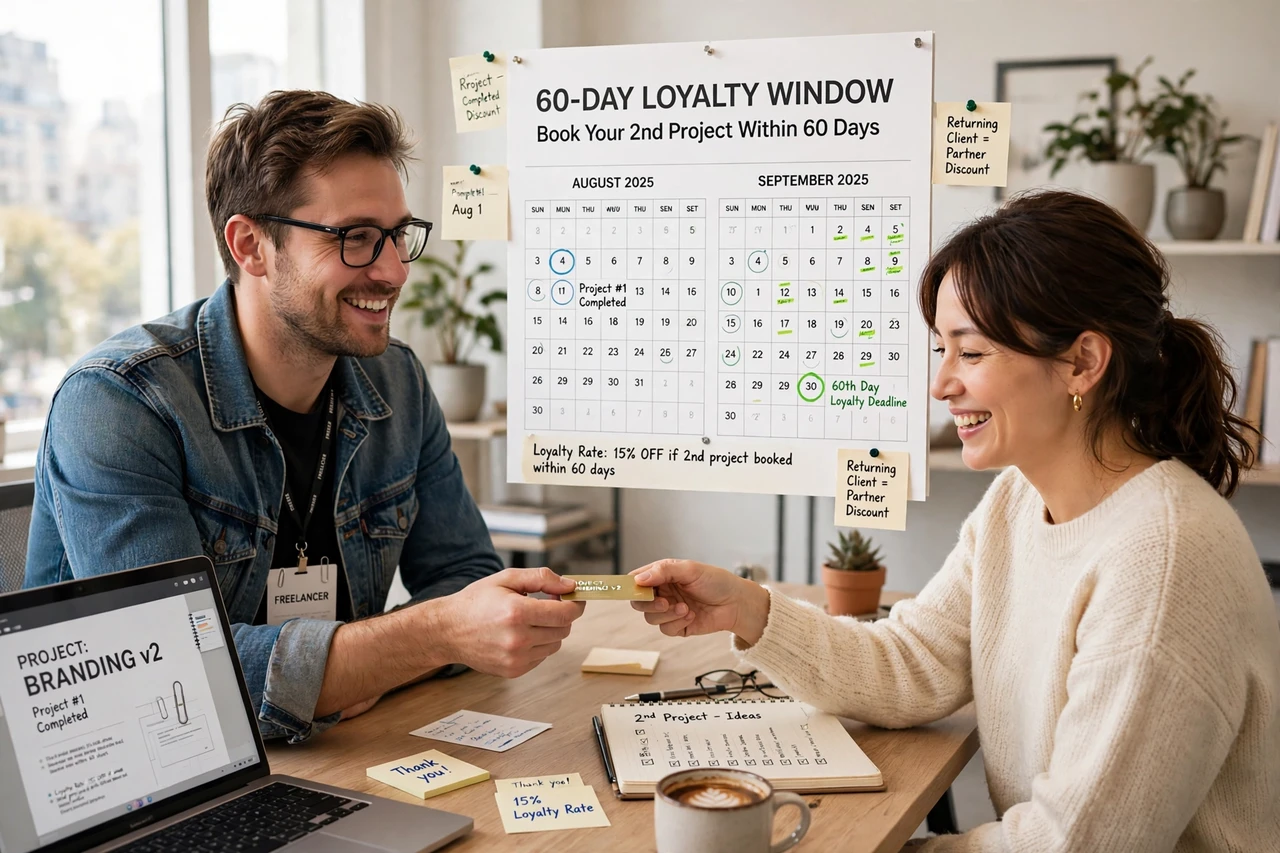
3. Offer a Loyalty Rate for a Second Project Booked Within 60 Days
A time-limited loyalty rate gives past clients a reason to book now instead of someday. Offer a modest discount, such as ten percent, or a bonus deliverable, for a second project booked within sixty days of the first. The deadline matters: without it, clients postpone indefinitely and eventually forget you.
Mention the offer in your final delivery email, when satisfaction is highest, and repeat it in your thirty-day check-in. Keep the discount small enough that your rates stay sustainable, and make clear it applies to the next project only. Clients appreciate being rewarded for returning, and you gain booked work without a new sales process.
4. Create a Simple Results Report Clients Can Forward to Their Boss
Many clients need approval from a boss or partner before hiring you again, and a simple results report makes that conversation easy. After a project, send a one-page summary showing what you delivered, what changed, and what you recommend next. Use numbers you can honestly support, such as faster turnaround, cleaner records, or more bookings.
Clients forward these reports because they make the client look good for hiring you. That forwarded report often reaches a decision-maker who controls a larger budget than your original contact. Keep the format consistent across clients, so producing it takes minutes, not hours, and always end with one recommended next step.

5. Add One Small Bonus Deliverable Nobody Asked For
A small, unexpected bonus creates goodwill that clients remember long after the invoice is paid. It might be a quick checklist, a social caption to accompany a design, or a short how-to note explaining how to update what you built. The bonus should take you under thirty minutes and solve a real, related problem, not a random extra that confuses the project.
Mention the bonus casually in your delivery message, without turning it into a sales pitch for more work. Clients who feel they received more than they paid for are far more likely to return and to recommend you to others. Choose bonuses you enjoy making, so the habit survives even during busy weeks.

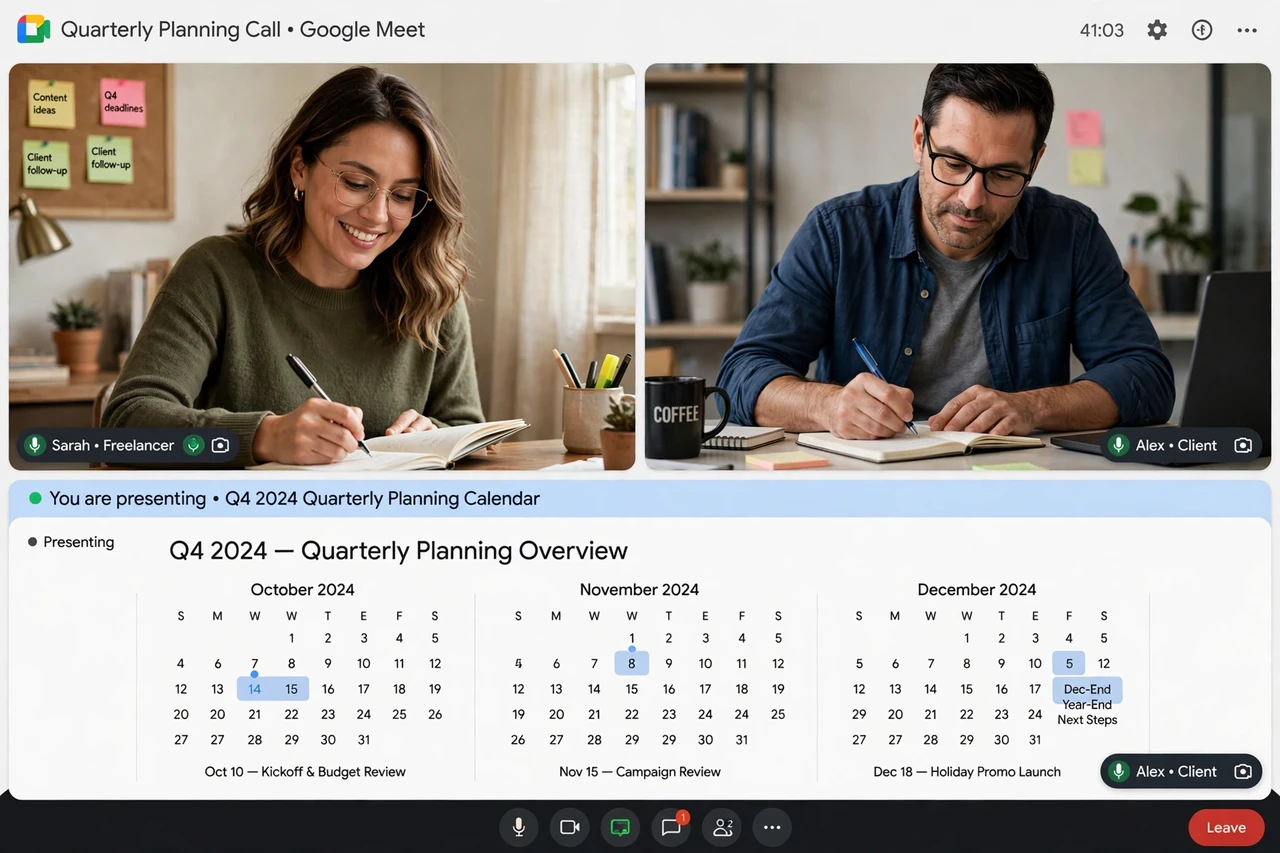
6. Schedule Quarterly Planning Calls Before Clients Start Shopping Around
Clients usually look for a new freelancer only after a gap in contact makes them feel forgotten. A quarterly planning call prevents that gap by giving you a regular reason to talk about their goals, upcoming launches, and seasonal needs. Book the next call at the end of the current one, so it stays on both calendars.
Keep the call to thirty minutes, prepare two or three ideas based on their business, and listen more than you pitch. Clients often reveal future projects on these calls months before they would post a job. Quarterly calls turn a finished project into an ongoing relationship, which is exactly what repeat work requires.
7. Build a Private Resource Page Only Repeat Clients Can Access
A private resource page rewards returning clients with something new clients cannot get. It might hold templates, checklists, short tutorials, or answers to questions your clients ask most often. Clients return to the page when they need help, which keeps your name in front of them between projects.
Update the page monthly with one new resource, and email repeat clients when you add something useful. The page costs little to maintain, but it signals that repeat clients belong to an inner circle rather than a one-time transaction. Over time, it also reduces repetitive questions, because clients find answers themselves.

8. Ask for Feedback at the Midpoint, Not Just at the End
Waiting until the end to ask for feedback leaves problems hidden until it is too late to fix them. A midpoint check, halfway through a project, lets clients raise concerns while you can still adjust the work. Ask three simple questions: what is working, what needs changing, and what would make the final result more useful?
Clients respect freelancers who invite criticism early, because it shows confidence and care for the outcome. Midpoint feedback also prevents the most common reason clients never return: a small disappointment they never mentioned. Document the answers, act on them visibly, and mention the changes in your final delivery note.

9. Turn a Finished Project Into a Three-Part Next-Step Roadmap
When a project ends, clients often do not know what to do next, so they do nothing. A three-part roadmap solves that by showing the logical next steps in order, such as fixing a website, then creating content for it, then promoting that content. Each step can become a future project, but the roadmap itself is a helpful planning tool, not a hard sell.
Present the roadmap in your final delivery email, with rough timing and a note that you can help with any step when they are ready. Clients appreciate a clear path forward, and many book the next step immediately because the decision feels obvious. Even clients who wait will return to the roadmap later, and your name is on it when they do.

Frequently Asked Questions
How soon after a project should I ask for more work?
Mention a next step in your delivery email, then check in again after thirty days. Asking immediately for another sale can feel pushy, but waiting months lets competitors step in. A helpful check-in followed by a clear next step strikes the right balance.
What if a client never replies to my check-in?
Send one polite follow-up a week later, then leave them alone for a quarter. Silence usually means they are busy, not unhappy. Keep them on a light-touch list, such as a quarterly update, so you stay visible without becoming annoying.
Should I discount work to keep a client?
A small loyalty bonus for a second project is fine, but permanent discounts erode your income and set a hard-to-change expectation. Instead of cutting rates, add value through care plans, bonuses, or faster turnaround, and keep your standard rate intact.
How many repeat clients do I need to stabilize my income?
Even three to five regular clients on care plans or quarterly projects can cover a large share of a freelancer’s baseline income. From there, new clients become growth rather than survival, which takes pressure off every sales conversation.
What is the biggest mistake freelancers make with past clients?
Disappearing after delivery. Most lost repeat work comes from neglect, not poor quality. A simple system of check-ins, planning calls, and roadmaps keeps you present, so clients think of you first when the next need appears.