Creating a great digital product is only half the battle — if nobody sees it, nobody buys it. The good news is that learning how to market digital products for free is entirely realistic: some of the most successful template and printable sellers built their first $1,000 months without spending a cent on advertising. Free marketing takes more of your time than paid ads, but for beginners that’s a fair trade.
The strategies below all cost zero dollars and work specifically well for digital products, since your “inventory” is a file buyers can preview, sample, and share. If you haven’t launched yet, read our guide on how to create and sell digital products first, and make sure you’ve picked the right platform to sell digital products — then use these eight channels to get your first wave of buyers.
1. Pinterest Search Traffic That Compounds Over Time
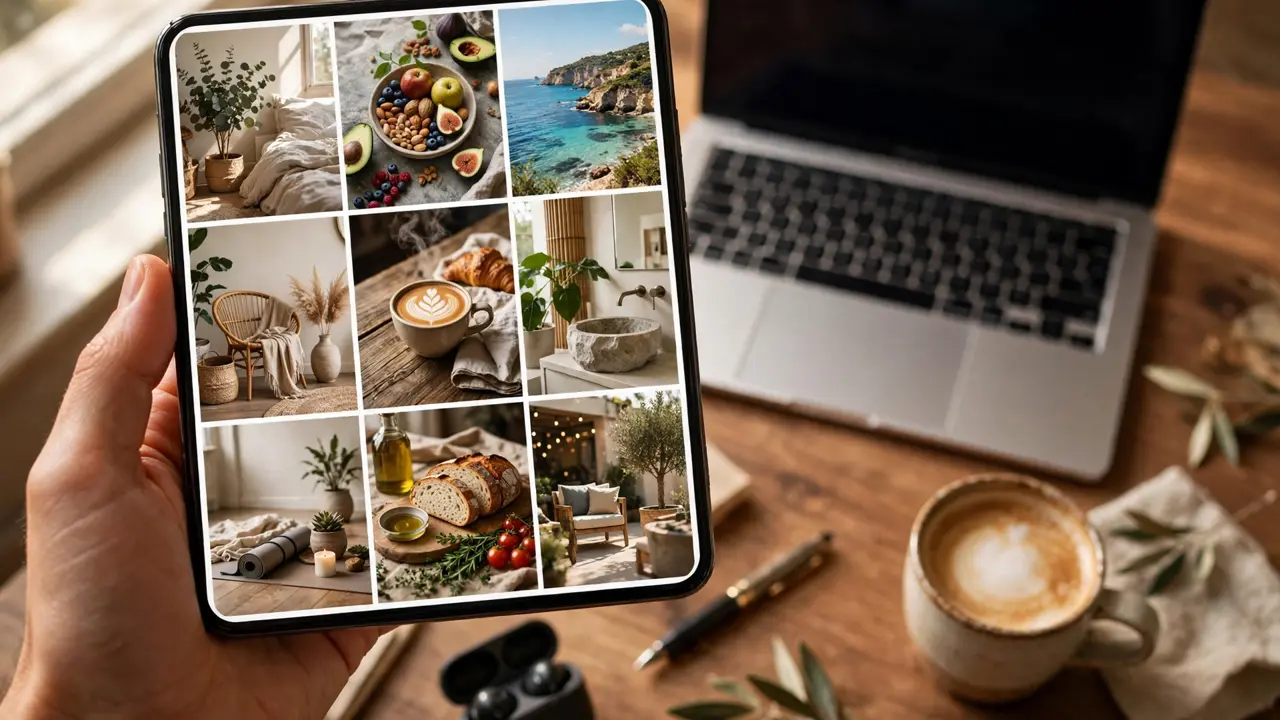
Pinterest isn’t really social media — it’s a visual search engine, and that makes it perfect for digital products. Create vertical pins (2:3 ratio) showing your product in use: a styled photo of your planner pages, a mockup of your template pack, or a before-and-after of a resume makeover. Link every pin directly to your product page and write keyword-rich titles like “budget planner printable for beginners.”
The magic of Pinterest is compounding: a pin you post today can still drive daily clicks a year from now, unlike social posts that die in 24 hours. Post 3 to 5 fresh pins per week per product, and create multiple pins pointing to the same product with different headlines and images. Sellers consistently report Pinterest as their number one free traffic source within three to six months of consistent pinning.
2. TikTok Demos That Show the Product in Action
Nothing sells a digital product like watching someone use it. Film 15 to 30-second screen recordings flipping through your planner, customizing your template, or printing your wall art — no face required, just your hands and your voice (or trending audio). Videos titled “POV: you found the perfect budget tracker” routinely outperform polished ads because they feel like a recommendation, not a pitch.
Post one demo-style video per day for your first month and put your shop link in your bio using a free link-in-bio tool. TikTok’s algorithm gives new accounts a genuine shot at virality, and a single video hitting 100,000 views can sell out a $12 template dozens of times over. Repost your winners to Instagram Reels and YouTube Shorts for triple the mileage from one recording session.

3. SEO Blog Posts That Rank and Sell for You
Write blog posts targeting the exact phrases your buyers Google — “best budget planner for couples,” “resume template for nursing students,” “how to plan meals on $50 a week” — and naturally recommend your product as the solution inside the post. A single post ranking on Google can send you buyers every day for years with zero ongoing effort, which is why selling digital downloads pairs so naturally with content marketing.
You don’t need your own blog to start: publish on Medium for free, where posts can rank on Google within weeks. Focus each post on one specific buyer problem, show real screenshots of your product solving it, and end with a clear call to action. Ten solid posts beats a hundred thin ones — depth and specificity are what rank.
4. Quora Answers in Your Buyers’ Favorite Topics
Quora is full of people asking buying-intent questions like “what’s the best budget planner for beginners?” or “how do I make my resume stand out with no experience?” Write genuinely helpful, detailed answers — 200 to 400 words with real advice — and mention your product only where it naturally fits, linking to a free sample rather than a hard sales page.
Answers on Quora rank on Google too, so one great answer can drive traffic for years. Aim for two to three thoughtful answers per week in topics matching your niche, and build credibility before you ever link anything: answer ten questions helpfully with no links first, and your profile looks like an expert’s rather than a spammer’s when buyers click through.

5. Reddit Threads Where Your Buyers Already Hang Out
Subreddits like r/EtsySellers, r/planners, r/resumes, and dozens of niche communities are where your buyers ask for recommendations daily. The rule is simple: be useful first. Answer questions thoroughly, share your experience, and only mention your product when someone explicitly asks for a recommendation — then link it once and move on.
Reddit punishes obvious self-promotion fast, so read each subreddit’s rules before posting and put your shop link in your profile instead of your comments. Done right, a single well-placed comment in a large thread can drive hundreds of curious visitors. Done wrong, you’ll get banned. When in doubt, give 90% value and let the curious 10% find you through your profile.

6. A Free Email List Built With a Lead Magnet
Your email list is the only audience you truly own — algorithms change, but your list stays. Offer a free sample of your product (5 free planner pages, one free resume template, a mini version of your guide) in exchange for an email address, using the free tier of MailerLite or ConvertKit to collect signups and send automated welcome emails.
Then email your list weekly with useful tips related to your niche, and announce every new product launch to them first with a subscriber-only discount. Even a list of 200 engaged subscribers can generate 10 to 20 sales on launch day — that’s the difference between launching to crickets and launching to customers. Start the list the same week you start selling, not “later.”
7. Instagram Reels That Preview Your Templates
Instagram Reels work like TikTok for product demos but reach a slightly different audience — one that skews toward millennial buyers with disposable income, exactly who purchases planners, templates, and printables. Post transformation-style content: a blank template becoming a finished design, a messy budget becoming an organized tracker, a boring resume becoming a polished one-page version.
Use 5 to 10 niche hashtags (not just #smallbusiness — think #budgetplannercommunity or #resumetips), post 4 to 5 times per week, and pin your three best-performing Reels to the top of your profile so new visitors immediately see your product in action. Link your shop in your bio and mention “link in bio” in captions — it still converts.
8. Niche Facebook Groups That Allow Self-Promotion
Facebook Groups remain one of the most underrated free marketing channels: there are groups with tens of thousands of members for teachers buying classroom decor, brides planning weddings, and freelancers organizing their finances. Many run weekly promo threads where selling is explicitly welcome — that’s your window.
Beyond promo days, be a genuinely helpful member: answer questions, share free tips, and let your group profile (with your shop link) do the quiet selling. Even better, start your own small group around your niche — “Budget Planners for Busy Moms,” for example — where you’re the trusted expert and every product launch gets a warm audience. A 500-member group you own beats 50,000 followers you rent.

Frequently Asked Questions
How long until free marketing brings my first sales?
Expect 4 to 12 weeks of consistent effort. TikTok and Reels can produce sales within days if a video takes off, while Pinterest and SEO typically need 2 to 3 months to compound. The sellers who quit at week three never see what week ten looks like — consistency is the entire strategy.
Which free marketing channel works fastest for digital products?
Short-form video (TikTok, Reels, Shorts) is the fastest because the algorithm can put your product demo in front of thousands of strangers overnight. Pinterest and SEO are slower but more durable — smart sellers do both, using video for quick wins and search content for long-term traffic.
Can I market digital products without showing my face?
Absolutely. Screen recordings, hands-only demos, voiceovers, and text-on-screen videos all sell well. Many top printable sellers have never shown their face — buyers care about seeing the product work, not seeing you.
Should I ever pay for ads for my digital products?
Not until a product already sells organically. Free channels validate that people actually want what you’re selling; ads only amplify what works. Once a $12 template consistently converts free traffic, testing a small $5-a-day ad budget makes sense — before that, it’s gambling.
How do I track which free channel drives my sales?
Use free UTM links (Google’s Campaign URL Builder) on every link you share, so your Gumroad or Etsy stats show exactly which channel each sale came from. After a month, double down on your top two channels and drop the rest — focused effort beats scattered effort.